
How Ergonomic Trailer Ramp Systems Improve Safety, Productivity, and Crew Retention
Posted by Austin Hardware on Aug 10th 2026
How Ergonomic Trailer Ramp Systems Improve Safety, Productivity, and Crew Retention
In part 1 and part 2 of this series, we explored the hidden safety risks associated with heavy trailer ramps and the business costs those risks can create. This final installment looks at how better ergonomic design helps address both challenges.
The landscaping and contractor industries continue to face one of their biggest operational challenges: finding and keeping skilled workers. While wages and benefits remain important, today's crews also pay attention to the equipment they are asked to use on the job every day.
The equipment, vehicles, and trailers crews rely on every day can make the job more efficient—or unnecessarily difficult. Every repeated lift, awkward movement, and task made harder by equipment design contributes to fatigue, frustration, and a greater risk of injury over time.
As we’ve noted in previous posts, trailer ramps are one of the most frequently used components on landscape trailers. Crews open and close them dozens of times each day while loading and unloading equipment at each job site. Because this task is repeated so often, even small ergonomic improvements can have a meaningful impact on safety, productivity, and how employees feel about doing their jobs.
As trailer manufacturers, fleet operators, equipment designers, and business owners look for ways to improve efficiency and retain good employees, trailer ramp ergonomics deserve a closer look.

Repetitive Physical Strain Impacts Crews Over Time
Lifting and lowering a trailer ramp may seem like a routine task, but it is one of the most frequent physical activities crew members perform throughout the day. It’s the repetition, not just the weight, that makes trailer ramps such an important ergonomic consideration.
Trailer Operation Is Part of Nearly Every Job
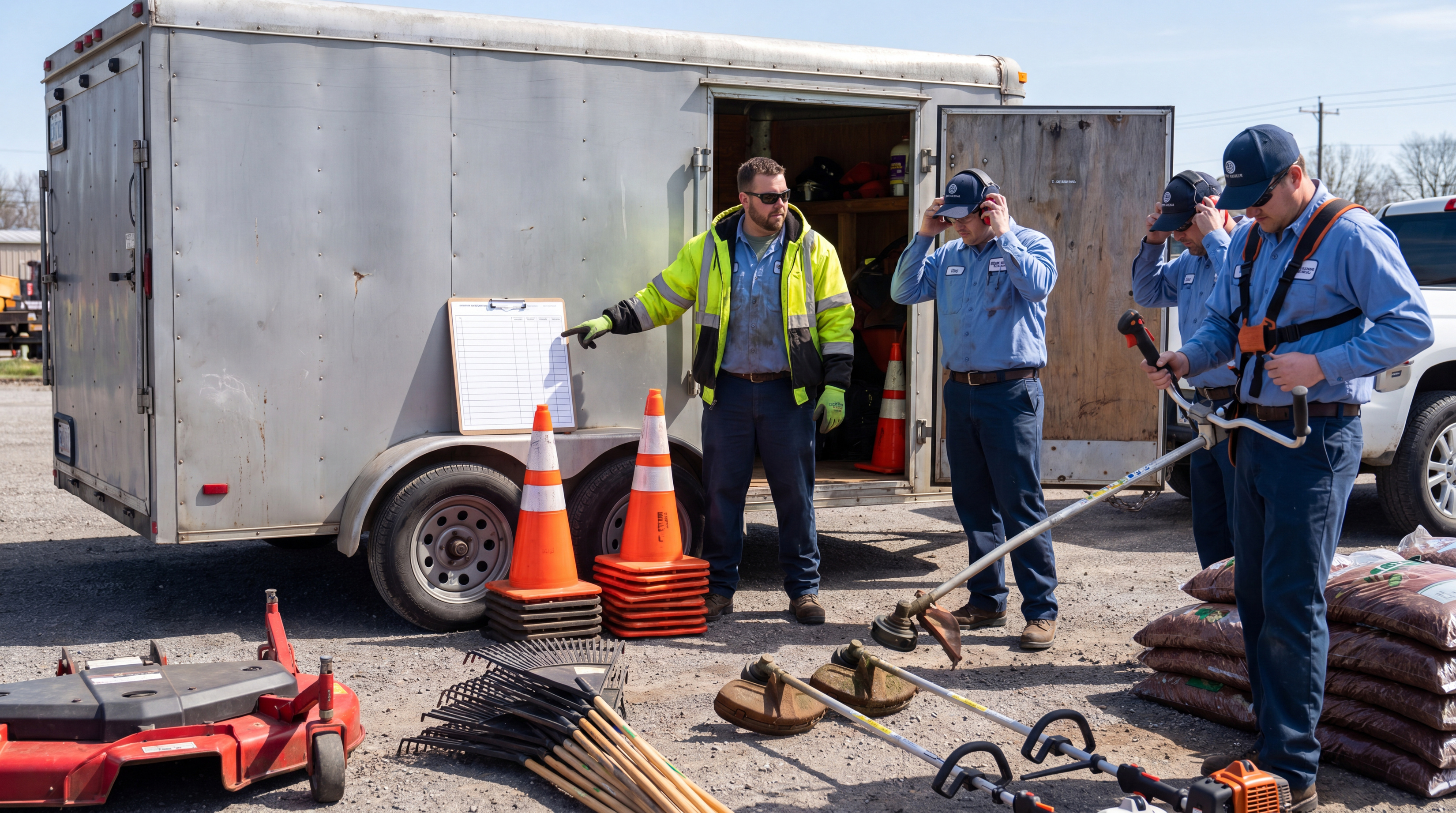
Whether servicing homes, commercial properties, or construction sites, landscape company staffers continually load and unload equipment between locations. Every stop typically involves another trailer ramp cycle, making it one of the most frequently handled moving components on the trailer.
Handling these heavy ramps requires workers to repeatedly manage the weight and maintain control through the full movement, often from awkward body positions that place additional stress on the shoulders, back, and arms. While any single lift may not be problematic, the physical demands accumulate over time, increasing wear and tear on the body.
As physical strain builds throughout the day, the week, and the season, even routine tasks become slower and less consistent. When a body gets fatigued, efficiency decreases, while the likelihood of overexertion injuries increases. That’s why improving these everyday interactions benefits both employees and overall operations.

Why Ergonomics Matter in Trailer Design
Good ergonomic design is not simply about making equipment easier to use. It is about creating equipment that performs more predictably, supports consistent operation, and helps people work safely without unnecessary effort.
Better Design Supports More Predictable Operation and Improves Workflow Efficiency
Well-designed trailer ramp systems promote smooth, controlled movement throughout the entire lifting cycle. Rather than forcing operators to manage the full weight of the ramp, assist systems like SAFE ASSIST™ create a controlled experience that inspires confidence because it literally takes the weight off the operator’s shoulders.
Loading and unloading equipment is an unavoidable part of the workday. When trailer ramps operate smoothly, transitions between jobs become quicker and more consistent. Employees spend less time wrestling with equipment and more time completing productive work, helping keep projects on schedule.
Because loading and unloading become routine, workers often perform these tasks with little conscious thought. Equipment that moves consistently helps reinforce safe habits, while ramps that behave unpredictably increase the chances of awkward movements or loss of control.
Labor Retention Is Influenced by Everyday Equipment
Once employees are hired, their daily work experience becomes part of what determines whether they stay. While compensation and company culture certainly matter, the equipment workers interact with every day also shapes how they view their job and even their employer.
Employees quickly recognize equipment that is difficult to operate or requires unnecessary physical effort. Heavy trailer ramps, inconsistent movement, and repetitive lifting can become daily frustrations that slowly wear on morale, especially during busy seasons.
Equipment that operates smoothly contributes to a more positive work experience. Easier loading and unloading, reduced physical fatigue, and greater confidence during operation allow crews to focus more on the job itself rather than on the effort required to operate their equipment.
Investing in safer, more ergonomic equipment sends a clear message about employee well-being. These decisions support a stronger safety culture while helping fleet operators and business owners demonstrate a long-term commitment to both operational excellence and the people performing the work.
Engineering Controls Help Reduce Risk Exposure
Safety training plays an essential role in every organization, but training alone cannot eliminate the physical demands created by equipment design. One of the most effective ways to reduce risk is to improve the equipment itself.
Engineering controls reduce hazards at their source rather than relying entirely on operator behavior. For trailer ramps, that means designing systems that require less physical effort, provide greater control, and minimize sudden or unpredictable movement during operation.
Today's trailer manufacturers and equipment owners increasingly recognize that operator experience is an important part of equipment design and selection. Ergonomics, reliability, and predictable performance all contribute to equipment that is easier to use while helping reduce unnecessary physical strain during everyday operation.
Reducing physical demands benefits more than individual employees. Better-designed trailer systems can help reduce injury exposure (i.e., missed time and workers' compensation claims), improve productivity, and contribute to lower long-term operating costs.
Building Smarter Trailer Systems for the Future
Labor challenges are unlikely to disappear anytime soon, making every opportunity to improve the employee experience increasingly valuable. Trailer ramps may represent only one component of a work trailer, but they are among the most frequently used—and one of the easiest places to improve everyday ergonomics.
Thoughtful engineering can reduce unnecessary physical strain, improve trailer loading efficiency, and create a more consistent operating experience for crews across a wide range of industries. For trailer manufacturers, landscaping companies, contractors, and equipment owners, investing in ergonomic design is an investment in both people and long-term performance.
Explore SAFE ASSIST™ Trailer Ramp Solutions from Austin Hardware
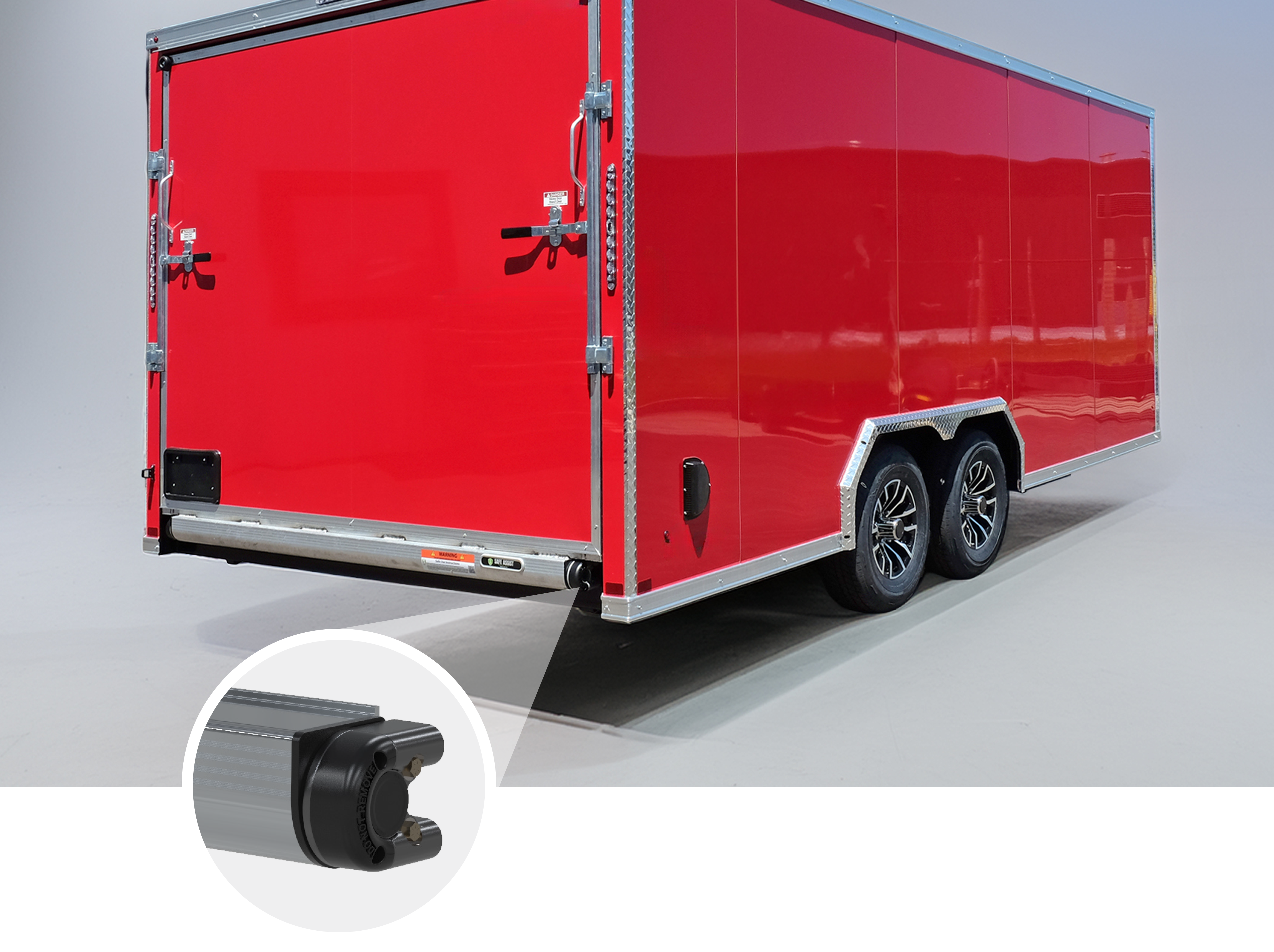
Austin Hardware developed SAFE ASSIST™ to address many of the ergonomic challenges associated with heavy trailer ramps. By delivering smooth, controlled, virtually weightless ramp operation without traditional cables or torsion springs, SAFE ASSIST™ reduces physical effort while delivering a smoother, more predictable user experience.
Unlike traditional cable- or torsion spring-based systems, SAFE ASSIST™ was engineered to provide smooth, controlled ramp movement while eliminating many of the maintenance concerns associated with conventional assist mechanisms. The result is a ramp that feels virtually weightless to the operator while delivering predictable performance day after day.
Whether you're designing new trailers, upgrading a commercial fleet, or looking for ways to improve workplace safety, Austin Hardware can help you evaluate trailer ramp solutions that support operator comfort, workplace safety, and long-term operational performance.