
Hidden Trailer Loading Hazards in Landscaping Fleets
Posted by Austin Hardware on Jun 24th 2026
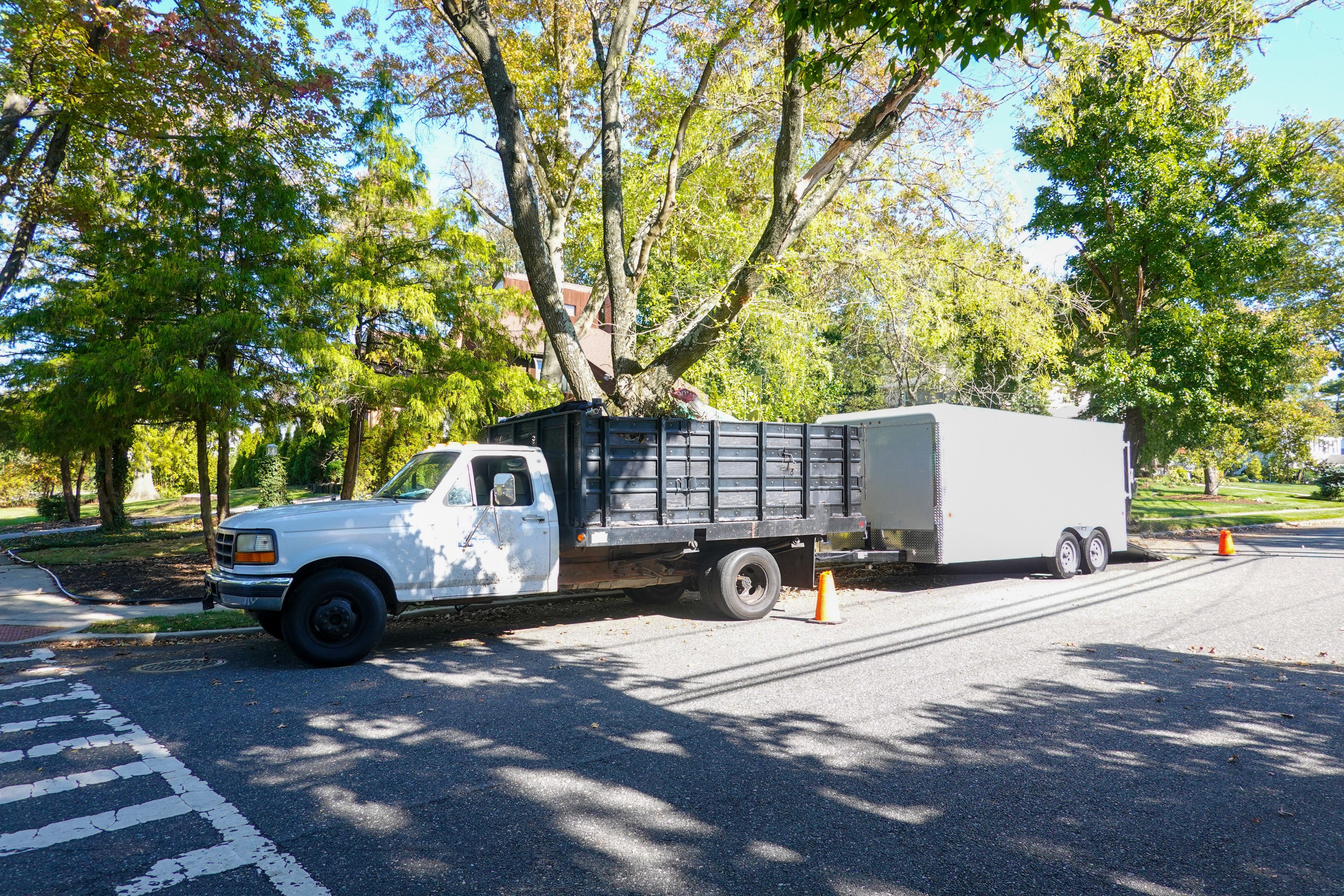
The Most Overlooked Hazard on Landscape Job Sites Isn’t What You Think
When people think about safety risks in landscaping operations, they usually think first of powered equipment. Commercial mowers, trimmers, chainsaws, skid steers, and work trucks naturally receive the most attention in safety discussions and training programs.
But one of the most physically demanding and injury-prone tasks crews perform every day often receives far less attention: loading and unloading trailers.
For landscaping companies operating utility, equipment, and landscape trailers, ramps are in constant use. Equipment is loaded before crews leave the yard, unloaded at multiple stops throughout the day, and secured again when work is complete. Because the process becomes routine, many companies underestimate the strain and injury exposure that can develop over time.
Trailer-related incidents continue to contribute to slips, falls, strained backs, crushed fingers, and equipment-handling injuries across the industry. In many cases, the issue is not a single catastrophic event, but the cumulative effect of repetitive motion, awkward lifting, poor footing, and equipment crews handle dozens of times every week.
This article is the first installment in our three-part series exploring trailer ramp safety, operational efficiency, and evolving approaches to safer fleet design.

The Hidden Risk Behind Everyday Trailer Operations
Trailer loading is one of the few repetitive physical tasks nearly every landscaping crew shares, regardless of company size. Unlike occasional maintenance work or specialized equipment operation, ramp handling happens continuously throughout the workday.
That repetition affects not only the equipment but also the people using it.
Traditional trailer ramps can require substantial effort to raise, lower, and stabilize. Heavy ramp weight, uncontrolled movement, worn hardware, and awkward body positioning can all increase strain on shoulders, backs, knees, and hands. Wet conditions, uneven ground, pinch points near hinges, and fatigue only add to the challenge.
The problem is that these risks rarely feel urgent in the moment. Crews often become accustomed to difficult ramps and physically demanding loading routines because they are viewed as simply part of the job.
Over time, however, what feels routine can contribute to injuries, lost productivity, and unnecessary downtime. That growing awareness is leading more fleets to reevaluate how trailer ramp systems affect both safety and daily operations.

Small Loading Injuries Can Create Large Operational Problems
Even relatively minor trailer-related injuries can disrupt an entire day’s schedule.
When a crew member is sidelined by a strained back, a hand injury, or a fall, the effects extend well beyond that employee. Staffing shortages can delay projects, reduce productivity, and force companies to redistribute work across already stretched crews.
At the same time, workers’ compensation claims, overtime costs, and equipment downtime can create added financial pressure during peak operating seasons.
For many companies, these indirect costs are becoming just as important as the injury itself. Landscaping businesses are already navigating labor shortages, rising operating expenses, and increasing demands for efficiency. As a result, companies are placing greater emphasis on loading processes and trailer systems that help crews work more safely and consistently.
That shift in thinking is helping drive interest in trailer ramp-assist technologies and improved loading-system design.
Why Trailer Ramp Systems Are Receiving More Attention
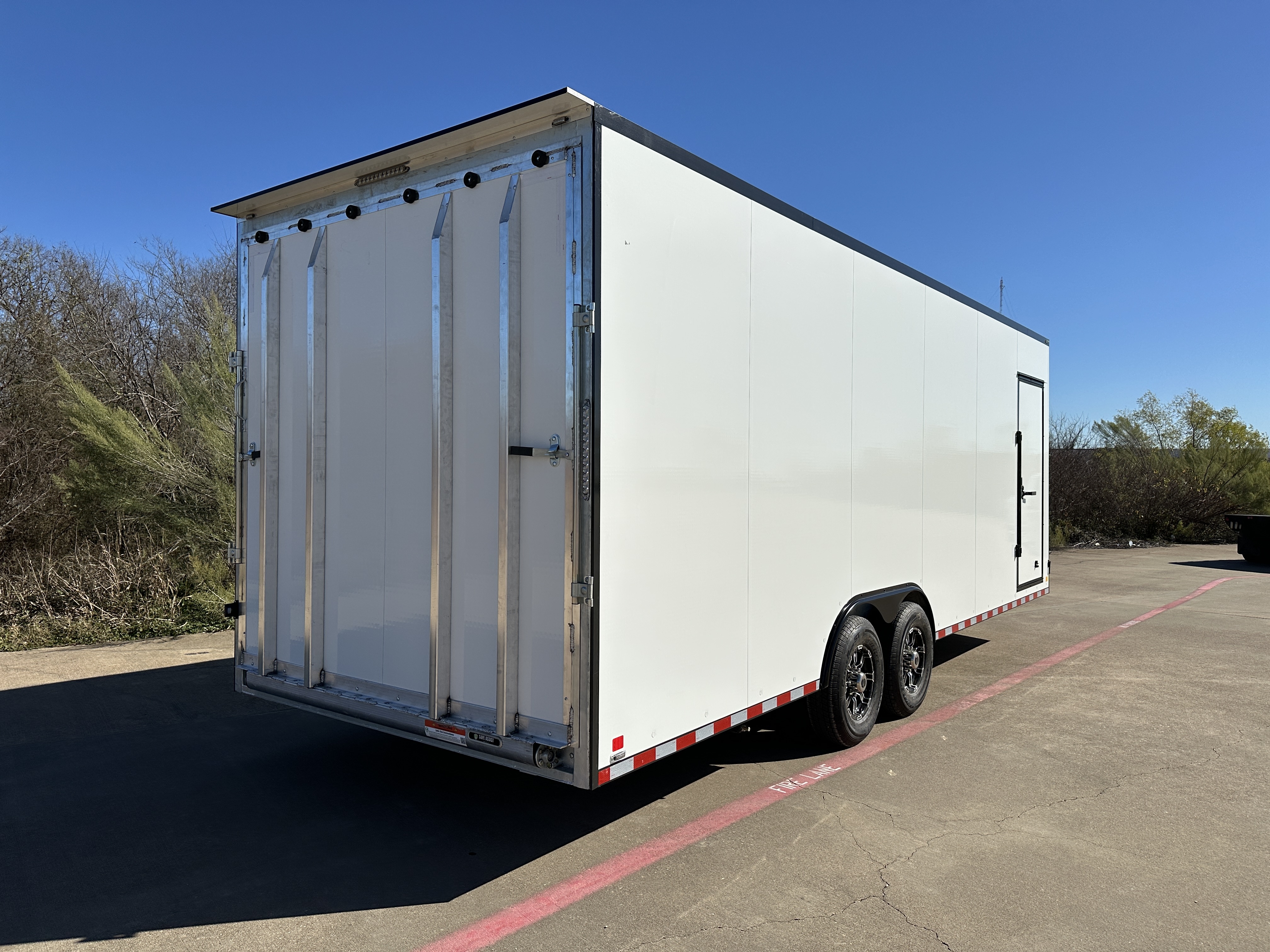
In recent years, more fleet operators and trailer manufacturers have started treating ramp systems as active safety components rather than simple trailer accessories. Trailer ramp-assist systems are becoming increasingly common in commercial landscaping and contractor fleets.
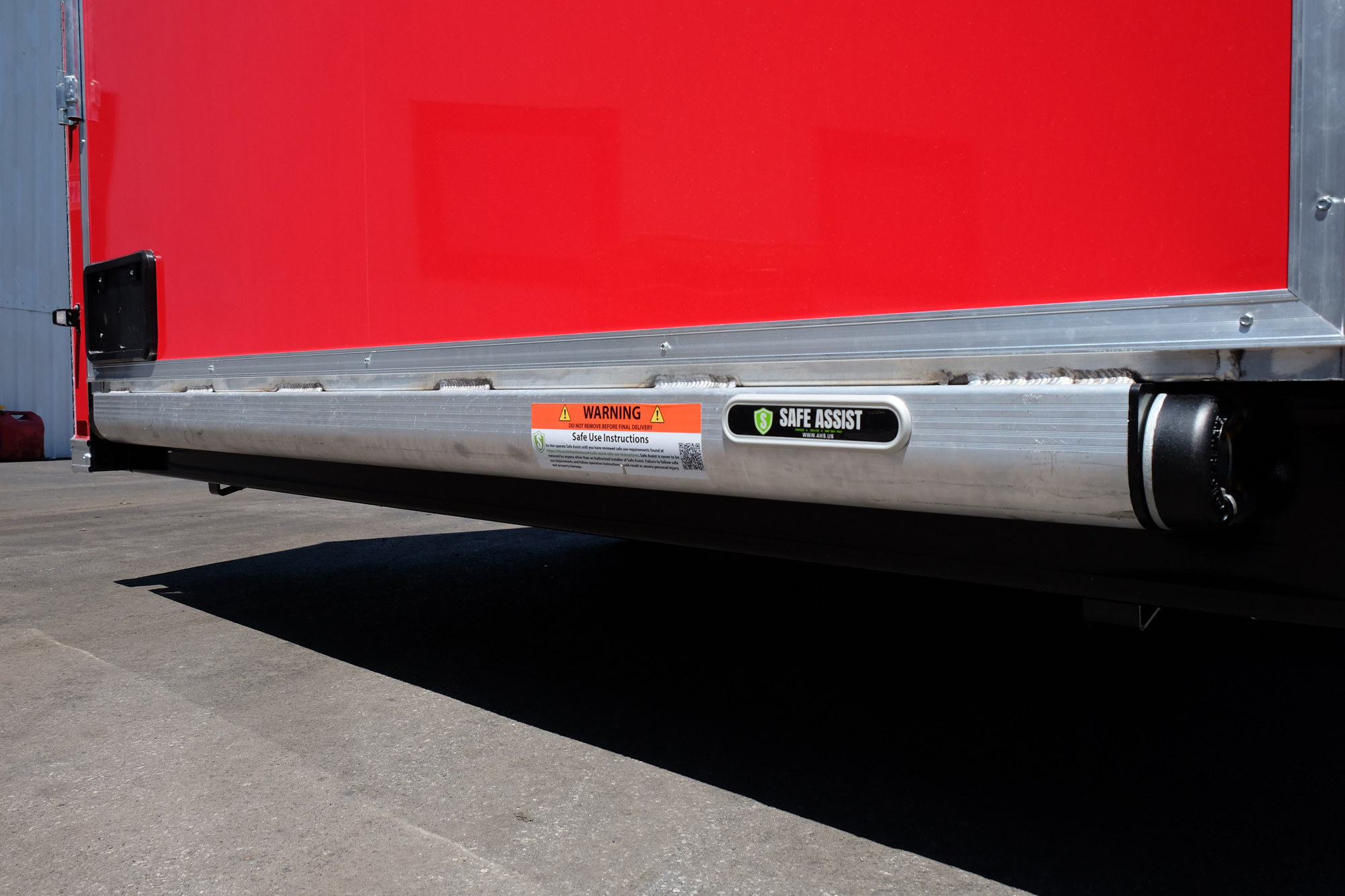
Solutions like Safe Assist™ ramp door assist from Austin Hardware are designed to help reduce the effort required to raise and lower heavy trailer ramps. By improving ramp control and easing repetitive lifting demands, assist systems can support safer, more consistent loading for crews working in demanding environments.
This increased focus reflects a broader trend across commercial fleet operations. Companies are paying closer attention to the physical demands placed on workers throughout the day and looking for practical ways to improve usability without sacrificing productivity.
At the same time, trailer owners are recognizing the importance of maintaining ramps, hinges, springs, and assist components to support reliable long-term operation.
While no single product eliminates loading risk, modern ramp-assist systems can help improve control, reduce repetitive strain, and support safer trailer operation during everyday use.
Safer Workflows Start with Greater Awareness
One reason trailer loading injuries persist is that they rarely receive the same level of visibility as other job-site hazards. A difficult ramp or awkward loading process often becomes accepted as “just part of the job.”
But the industry is beginning to move away from that mindset.
As companies focus more heavily on employee retention, operational reliability, and injury prevention, everyday workflow design is becoming a larger part of the safety conversation. Fleets are increasingly evaluating how loading routines, trailer hardware, and ramp systems affect crews throughout an entire season, not just during isolated incidents.
That broader perspective is helping companies identify opportunities to improve consistency, reduce physical wear on employees, and support safer operations overall.
Reducing Risk Starts at the Trailer Ramp
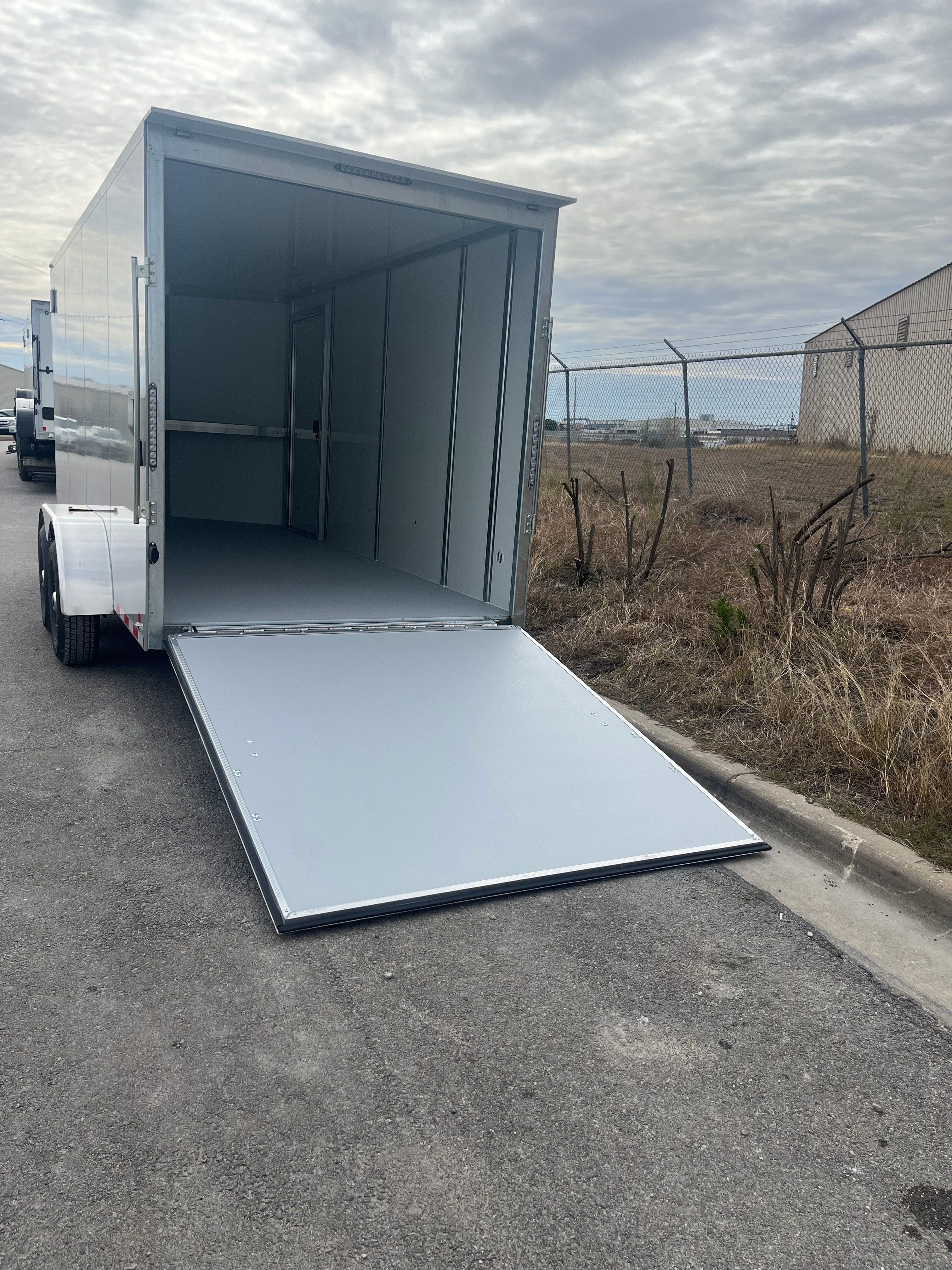
Trailer ramps may not receive the same attention as powered equipment, but they remain one of the most frequently used components in landscaping and contractor fleet operations. The way those systems function day to day can directly influence safety, productivity, and long-term operating costs.
At Austin Hardware, we work with OEMs, trailer manufacturers, upfitters, and fleet operators to supply dependable hardware solutions built for demanding environments. From Safe Assist™ ramp-assist systems to hinges, gas springs, latches, and many other trailer hardware components, our team helps customers improve loading safety, reduce physical strain, and support more reliable day-to-day operations.
This is Part 1 of our three-part series on trailer ramp safety and fleet efficiency. In Part 2, we’ll explore the hidden business costs tied to trailer-related injuries, downtime, and labor disruption — and why more fleets are treating loading efficiency as an operational priority, not just a safety issue. In Part 3, we’ll take a closer look at preventative design strategies and ergonomic trailer ramp solutions.
For an at-a-glance review of the overlooked hazards of trailer ramps, please download our InfoGraphic.
Stay connected and never miss a new installment in this series — or any of our latest blogs — by subscribing here.