
Reducing Trailer Downtime in Landscaping & Fleet Operations
Posted by Austin Hardware on Jul 16th 2026
Trailer Downtime: The Silent Profit Killer for Landscape Fleets
When trailers go down, entire crews can lose productivity.
A crew arrives at the yard at 6:30 a.m., but one ramp won’t operate smoothly. Ten minutes become thirty. Equipment gets moved to another trailer, the route starts late, and the first job of the day is already behind schedule.
A broken ramp system, a delayed loading process, an emergency repair, or an equipment access issue may seem like a small operational problem at first. But in landscaping and contractor fleet operations, those delays can quickly affect schedules, labor efficiency, customer commitments, and profitability.
This is the second post in our 3-part series on trailer ramp safety, operational efficiency, and evolving approaches to safer fleet design. In Part 1, we explored why trailer ramps are one of the most overlooked safety concerns in daily fleet operations. Now, we’re looking at another major issue tied directly to ramp performance: downtime.
While fleet downtime discussions often focus on trucks, mowers, skid steers, and other powered equipment, trailers are just as critical to daily productivity. If crews cannot load, unload, transport, or access equipment efficiently, the day starts slipping before the first job is finished.

Downtime Impacts More Than Equipment
Trailer downtime is rarely limited to the trailer itself. When a trailer is unavailable, difficult to use, or unsafe to operate, the impact extends throughout the day. Downtime is not just repair cost — it also includes paid waiting time, rescheduling, customer frustration, and lost job capacity.
Crews may leave the yard late because equipment cannot be loaded efficiently. Jobs may take longer because unloading is delayed on-site. Managers may need to reshuffle trailers, equipment, or personnel to keep routes moving. In some cases, crews are paid to wait while repairs are made or replacement trailers are located.
Those delays reduce daily job capacity. They can also create missed schedules, overtime costs, rushed repairs, and frustrated customers. For landscape fleets operating during peak seasonal demand, even one unreliable trailer can create a chain reaction across multiple crews.
Emergency repairs also tend to cost more than preventative maintenance. When a ramp system fails unexpectedly, the cost is not just the repair itself. It is the idle labor, lost production time, scheduling disruption, and operational stress that come with it.
Trailer Ramp Systems Experience Constant Wear
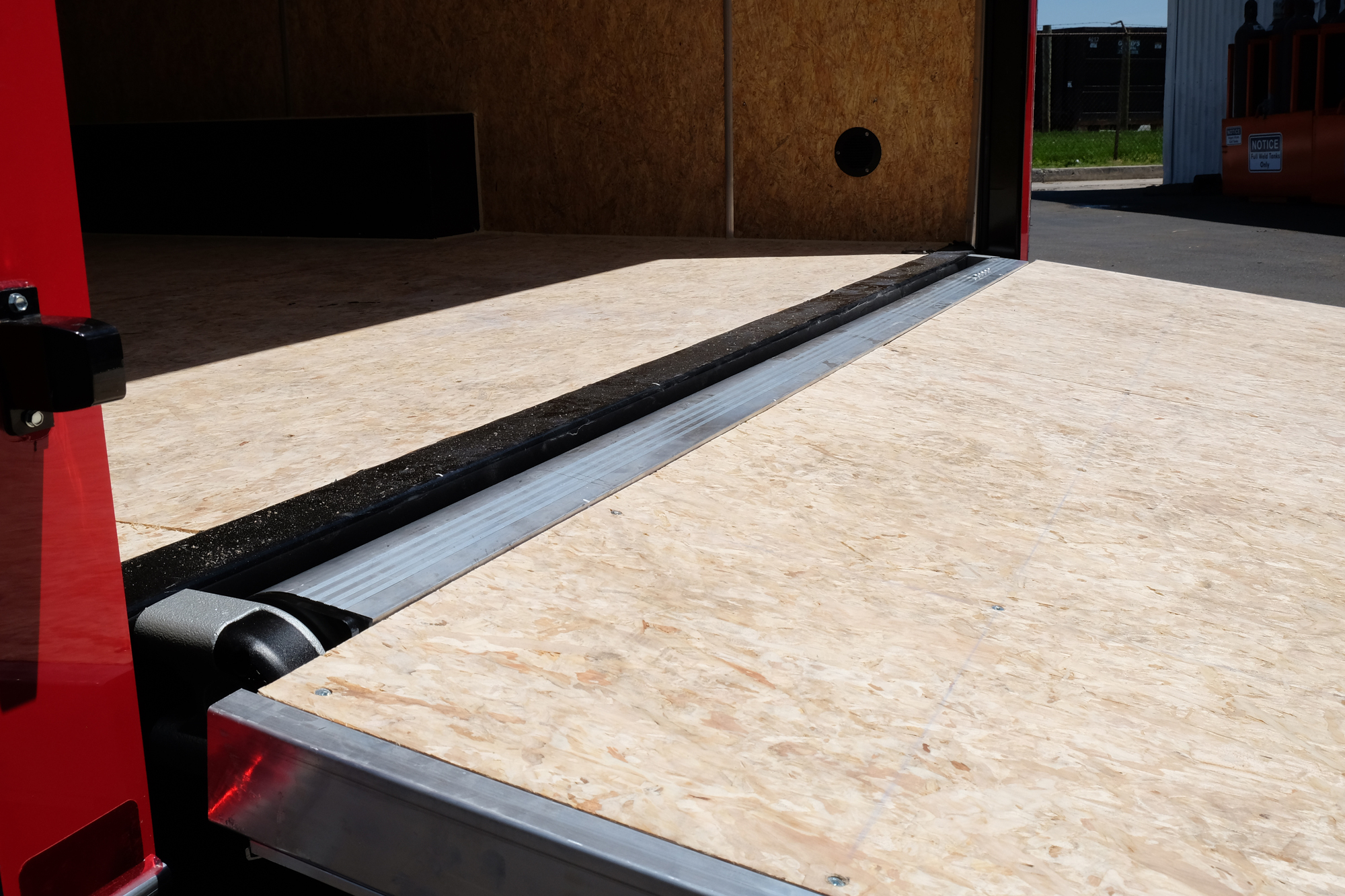
Trailer ramp systems are used repeatedly throughout the workday. Every lift, lower, load, unload, vibration cycle, and exposure to weather contributes to long-term wear.
Traditional ramp assist systems often include components that require ongoing inspection and maintenance, such as cables, springs, hinges, and related mechanical hardware. Over time, these systems may become less consistent, harder to operate, or more prone to failure.
Small problems can become larger ones when they are ignored. A ramp that feels heavier than usual, moves inconsistently, or shows visible wear on the cables or springs should be treated as an early warning sign, not a minor inconvenience. When maintenance becomes reactive rather than preventive, fleets increase their exposure to unplanned failures.
For busy landscaping and contractor fleets, reliability matters because trailers are not occasional-use assets. They are part of the daily production system.

Preventative Design Improves Fleet Reliability
During peak season, trailer reliability becomes even more important because crews have less room to absorb delays. Reducing downtime starts with thinking beyond repairs. It requires examining how trailer systems are designed, how often they are used, and how many failure points there are in daily operation.
Simplified, reliable ramp systems can help reduce maintenance concerns and support more consistent performance over time. When crews can load and unload equipment with less friction, the entire operation becomes more predictable.
That predictability becomes especially important for growing fleets. Multi-crew coordination, equipment scheduling, seasonal workload spikes, and labor optimization all depend on equipment being available when and where it is needed.
In other words, trailer reliability is not just a maintenance issue. It is a fleet management issue.
 Smarter Trailer Systems Support Long-Term Efficiency
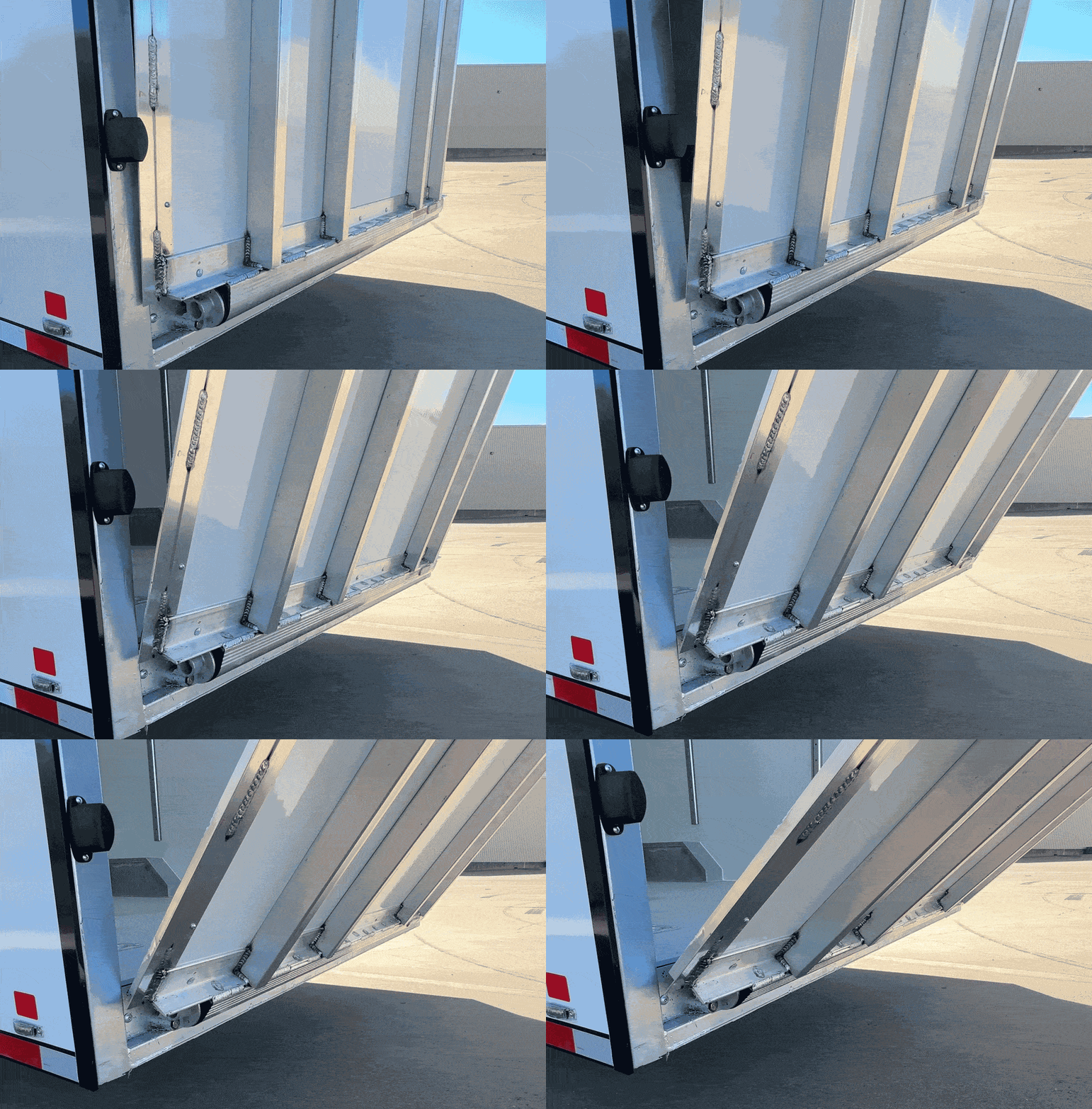
Preventative thinking helps fleets reduce operational disruptions before they affect the workday. Instead of waiting for ramp systems to fail, fleet managers can evaluate whether their trailers are equipped for the daily demands placed on them.
Ergonomic and reliable ramp designs can also support crew productivity. When ramp operation is smoother and more consistent, crews spend less time fighting equipment and more time completing work. That can help reduce fatigue, improve loading efficiency, and make loading and unloading less of a daily strain.
The result is a more dependable workflow from the yard to the jobsite and back again.

Improving Uptime Starts with the Trailer
For landscaping and contractor fleets, uptime is not only about keeping trucks and powered equipment running. It is also about making sure trailers, ramps, and access systems are ready for daily use.
By prioritizing trailer ramp reliability, preventative maintenance, and smarter system design, fleets can reduce downtime exposure and create more predictable days in the field.
Austin Hardware helps fleets and trailer builders think through the hardware, access, cargo control, and ramp components that support safer, more reliable fleet operation.
To explore trailer ramp and fleet reliability solutions, visit Austin Hardware or contact the Austin Hardware team to discuss products that can help improve uptime, safety, and productivity across your fleet.
Want to quantify the impact of trailer downtime on labor, scheduling, and fleet performance? Download our Operational Performance Brief.