

Fleet Summer Readiness Checklist for Work Trucks & Service Vehicles
Posted by Austin Hardware on Jul 8th 2026

Fleet Summer Readiness Checklist for Work Trucks and Service Vehicles
For many commercial fleets, summer represents both a great opportunity and a great challenge. Contractors ramp up construction schedules, utility companies respond to seasonal storms, municipalities tackle infrastructure projects, and customer demand requires landscaping crews to work longer days. Vehicles spend more hours on the road, trailers haul heavier loads, and crews depend on their equipment from dawn to dusk.
During this busy season, preventive maintenance becomes even more important. Fleet managers have established routines for checking engines, cooling systems, tires, and brakes before temperatures climb. Those are certainly essential but make up only part of the equation. Many of the interruptions that sideline work trucks during the summer aren't caused by catastrophic mechanical failures. More often, they're the result of worn hardware, deteriorated seals, and other components that rarely receive the same level of attention as major mechanical systems.
A compartment latch that no longer closes securely. A deteriorated door seal that allows moisture into a storage cabinet. A trailer connector that intermittently loses power. Individually, these may seem like minor issues. Collectively, they can delay jobs, expose expensive equipment to damage, create safety concerns, and increase maintenance costs.
A proactive maintenance routine that includes both critical vehicle systems and work truck hardware helps identify these issues before they become expensive repairs. The following checklist highlights several areas worth reviewing as part of your fleet's summer readiness program.

Start with Doors, Latches, and Access Hardware
Every service body, utility truck, and enclosed trailer depends on reliable access hardware. Throughout a normal workday, crews may open and close compartment doors dozens of times to retrieve tools, parts, or equipment. Add road vibration, dust, moisture, and summer heat, and those components can wear surprisingly quickly.
Look for the following:
- Latches operate smoothly
- Hinges remain tight
- Doors stay properly aligned
- Hardware doesn't require excessive force to open or close
Corrosion, worn mounting points, and loose fasteners are often early indicators that a component is approaching failure. Addressing these issues before they worsen not only improves reliability but also helps protect valuable equipment stored inside the vehicle.
For fleets operating in demanding environments, heavy-duty compression latches such as the Eberhard Whale Tail® provide secure door closure while resisting the vibration commonly encountered on rough roads and job sites.
Inspect Weather Seals Before Summer Conditions Do
Summer exposes vehicles to far more than heat. Dust from construction sites, sudden thunderstorms, high humidity, and constant road debris all test the effectiveness of compartment seals.
When weather stripping begins to crack, flatten, or separate from the door, contaminants can easily enter storage compartments. Moisture may damage power tools or electronics, while dust and dirt can shorten the service life of sensitive equipment.
Take time to look closely at door gaskets, compartment seals, enclosure access panels, and electrical box seals throughout the vehicle. Replacing inexpensive sealing materials today can help prevent much more costly equipment damage later in the season.
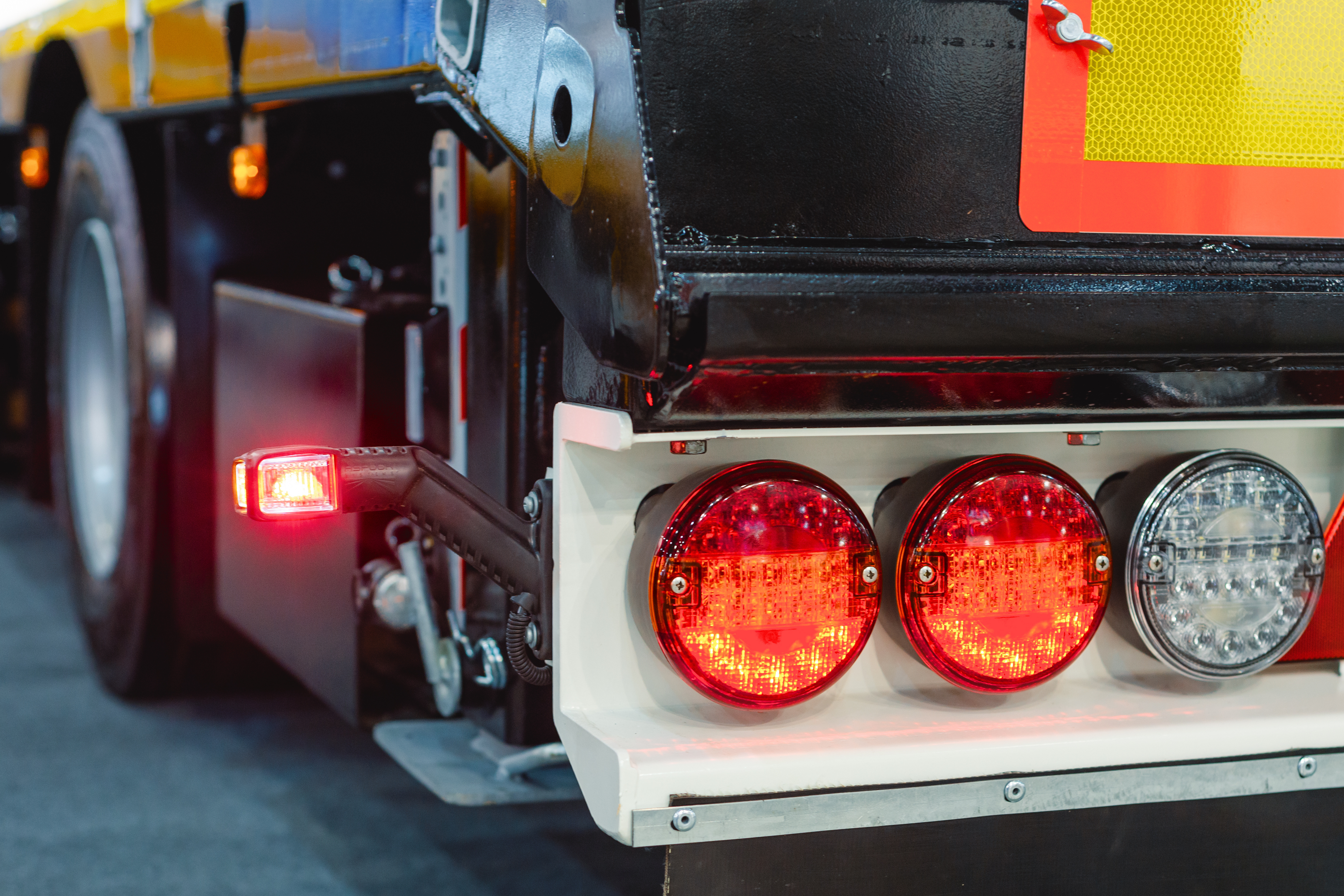
Confirm Lights Are Working Properly
Longer daylight hours often mean crews begin earlier and finish later. Whether traveling between job sites before sunrise or returning after dark, dependable lighting remains essential for safe operation.
Rather than simply checking brake lights, take a more comprehensive approach. Marker lights, turn signals, work lights, interior compartment lighting, trailer lights, and electrical connectors should all be tested as part of routine maintenance.
Lighting issues are among the easiest maintenance items to correct, yet they remain one of the most common reasons vehicles receive roadside violations or experience avoidable downtime.
Don't Overlook Trailer Components
Trailers work just as hard as the trucks pulling them. Equipment trailers, enclosed cargo trailers, and utility trailers experience constant loading, unloading, vibration, and highway travel throughout the summer.
Inspect ramp hinges for wear and verify that ramp door components are in good shape. One commonly overlooked example is a fraying ramp door cable. Once the cable begins to unravel, replacement should be scheduled promptly to prevent injuries and avoid the need to take a trailer out of service unexpectedly. Additionally, examine couplers, safety chains, trailer latches, wiring harnesses, and tie-down points for damage or excessive wear.
These components often deteriorate gradually, making routine inspections the best opportunity to identify problems before they create safety hazards or interrupt a busy work schedule.

Evaluate Storage and Cargo Security
As workloads increase, so does the value of the equipment crews carry from one job site to another. Service bodies frequently contain thousands of dollars in tools, replacement parts, and specialized equipment, making secure storage more important than ever.
Evaluate locking systems, paddle latches, compartment doors, shelving, and interior storage hardware to ensure everything remains secure and organized. Well-designed storage discourages theft and improves productivity by helping technicians locate the tools they need without wasting valuable time searching through cluttered compartments.
Heavy-duty drawer slides and organized storage systems can further improve efficiency while protecting equipment from unnecessary movement during transport.
Verify Safety Equipment Is Ready When Needed
Safety equipment often receives attention only after an emergency occurs. A seasonal review provides an excellent opportunity to verify that every vehicle is prepared before crews head into the field.
Confirm that fire extinguishers remain properly charged and within inspection dates, first-aid kits are fully stocked, reflective warning triangles are present, backup alarms function correctly, and required safety decals remain clean and visible.
These checks require only a few minutes but can make a meaningful difference during roadside incidents or unexpected jobsite emergencies.

Look for Components Affected by Heat
High temperatures accelerate the aging of many materials used throughout commercial vehicles. Rubber becomes brittle, plastics begin to crack, wiring insulation deteriorates, and repeated heating and cooling cycles place additional stress on electrical connections and mounting hardware.
As you look over each vehicle, pay close attention to seals, plastic components, wiring, lenses, and hardware exposed to prolonged sunlight.
Replacing weathered components before they fail is almost always less expensive—and far less disruptive—than responding to emergency repairs during peak operating season.
Review Your Inventory of Replacement Parts
Even the best maintenance program can't eliminate wear. What it can do is ensure replacement parts are available before a minor repair becomes extended downtime.
Even the most thorough preventive maintenance program cannot eliminate normal wear. What separates efficient maintenance operations from costly downtime is often the availability of replacement parts when they're needed.
Review inventory levels for commonly replaced hardware such as latches, locks, lighting components, electrical connectors, trailer accessories, and service body hardware. Keeping these items on hand allows maintenance teams to complete repairs immediately instead of waiting days for replacement parts to arrive.
For fleets managing dozens or hundreds of vehicles, a well-planned inventory strategy can significantly reduce downtime throughout the busiest months of the year.
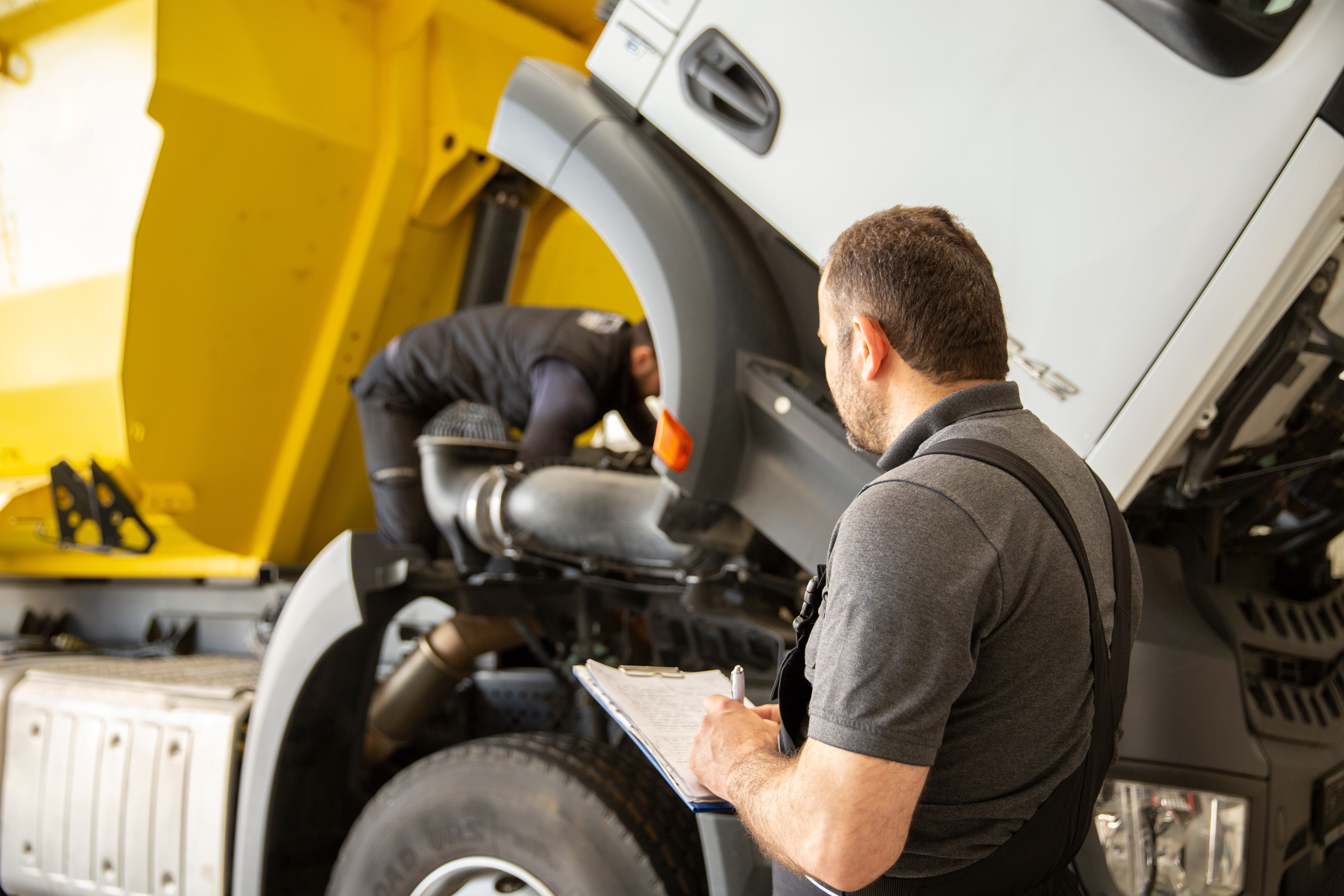
A Proactive Summer Inspection Protects Productivity
Summer demands more from work trucks, service bodies, and trailers than almost any other time of year. While engines and drivetrains deserve continued attention, the hardware crews rely on every day plays an equally important role in keeping vehicles productive.
By incorporating access hardware, lighting, storage systems, trailer components, weather sealing, and safety equipment into seasonal inspections, fleet managers can reduce unplanned downtime, improve operator safety, and extend the service life of their vehicles and equipment.
Small maintenance tasks completed before the season reaches full speed often prevent much larger disruptions when every truck is expected to stay on the road.
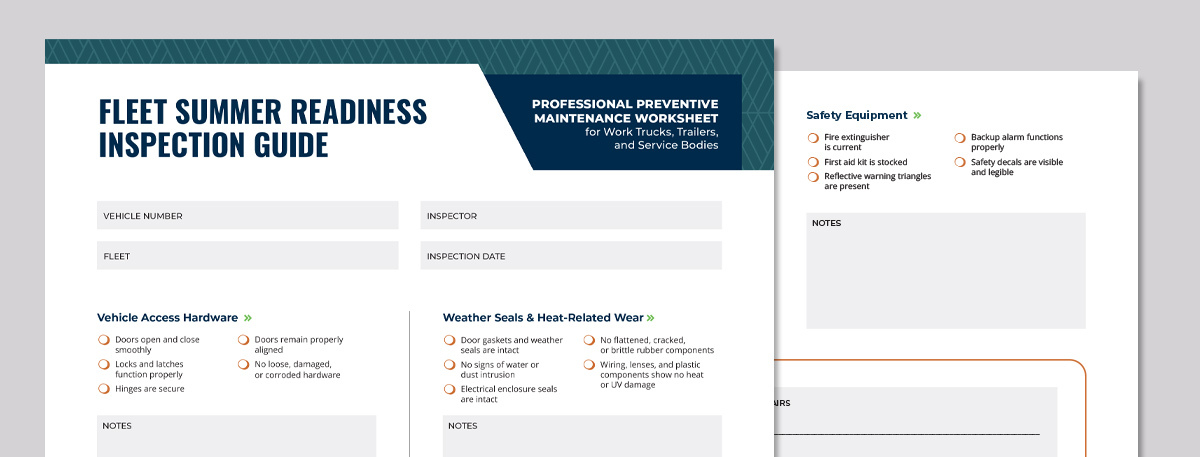
Download the Fleet Summer Readiness Checklist
Looking for a version your maintenance team can use during inspections?
Download our printable Fleet Summer Readiness Checklist to standardize inspections, document maintenance findings, and identify small issues before they become expensive repairs.
Austin Hardware partners with OEMs, fleet operators, distributors, and maintenance professionals to supply durable latches, seals, lighting, trailer components, drawer slides, and replacement hardware that help commercial vehicles remain productive year-round. Whether you're maintaining a small service fleet or hundreds of work trucks, our team can help you evaluate hardware options, identify suitable replacement components, and support long-term fleet reliability.