
Top Compression Latch Applications Across OEM Industries
Posted by Austin Hardware on Sep 8th 2026
Top Compression Latch Applications Across OEM Industries
When selecting hardware for an enclosure or access door, the latch plays an important role in the closure's overall performance. In demanding OEM applications, hardware may need to withstand constant vibration, exposure to weather, dust, moisture, repeated access, and years of use while helping to protect the equipment behind the door.
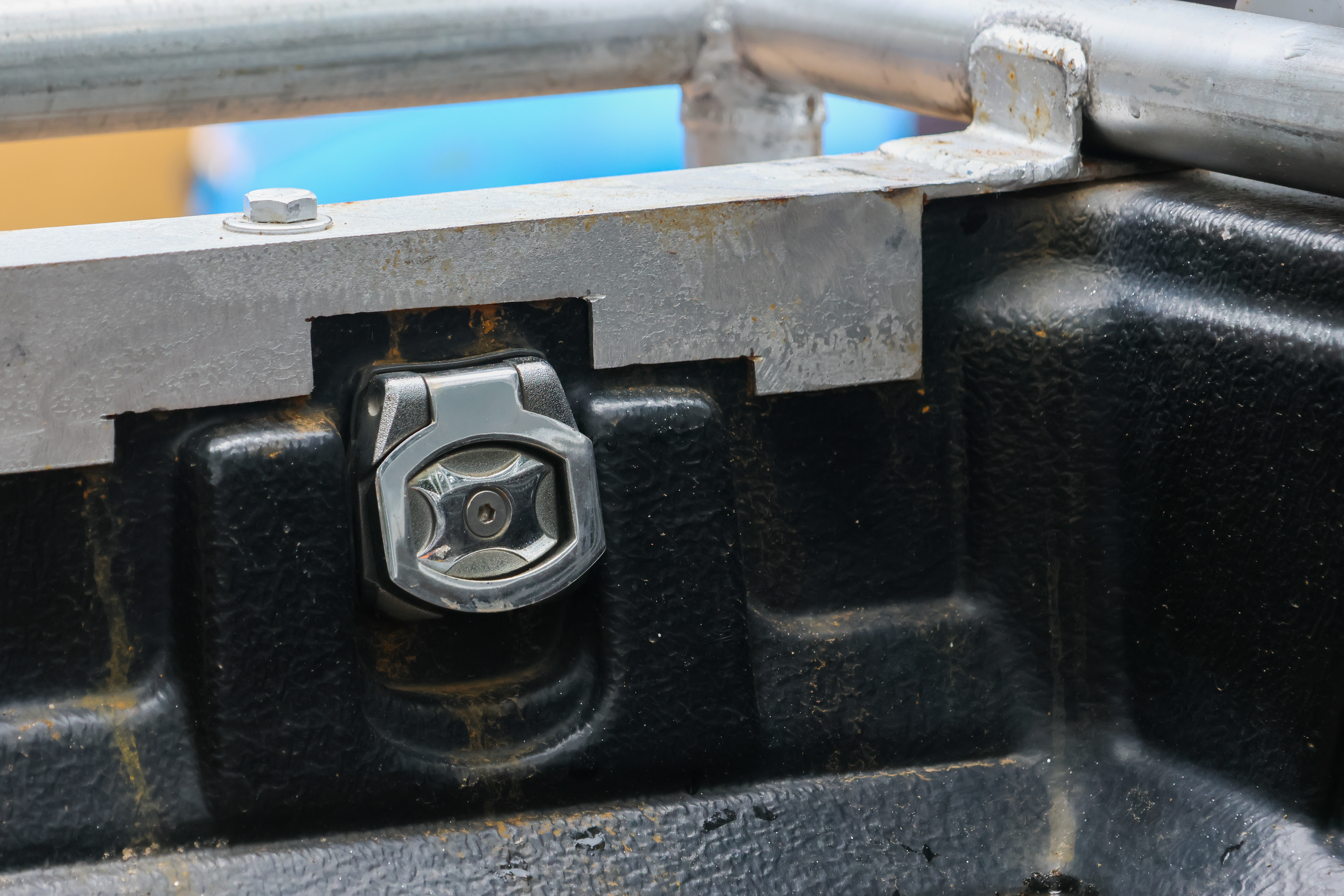
Compression latches address several of these challenges through their closing action. They are designed to draw the door into the frame and maintain pressure at the closure, making them useful wherever vibration resistance, environmental protection, and reliable door retention are important.
From work truck compartments and trailer storage to electrical enclosures and agricultural machinery, OEMs use compression latches across a wide range of equipment and vehicles. Understanding where they are used and what makes each application demanding can help engineers make better decisions during the design process.
What Makes a Compression Latch Different?
A compression latch uses a two-stage closing action, distinguishing it from a conventional cam latch.
The first stage engages the keeper. The second draws the door against the frame, applying pressure to the gasket around the opening. This gasket compression helps create a more consistent seal while holding the door securely against the frame.
That action can provide several advantages:
- Helps create a weather-resistant seal
- Reduces vibration and rattling
- Helps protect equipment from dust and moisture
- Maintains more consistent gasket compression
- Helps accommodate minor variations in door and frame alignment
- Provides secure door retention
The exact performance depends on the latch design, gasket, enclosure construction, and application. Engineers therefore need to consider the entire closure system rather than selecting a latch based solely on size or appearance.
The importance of those characteristics becomes especially apparent when the same basic hardware concept is applied across very different OEM environments.
Work Trucks and Service Bodies
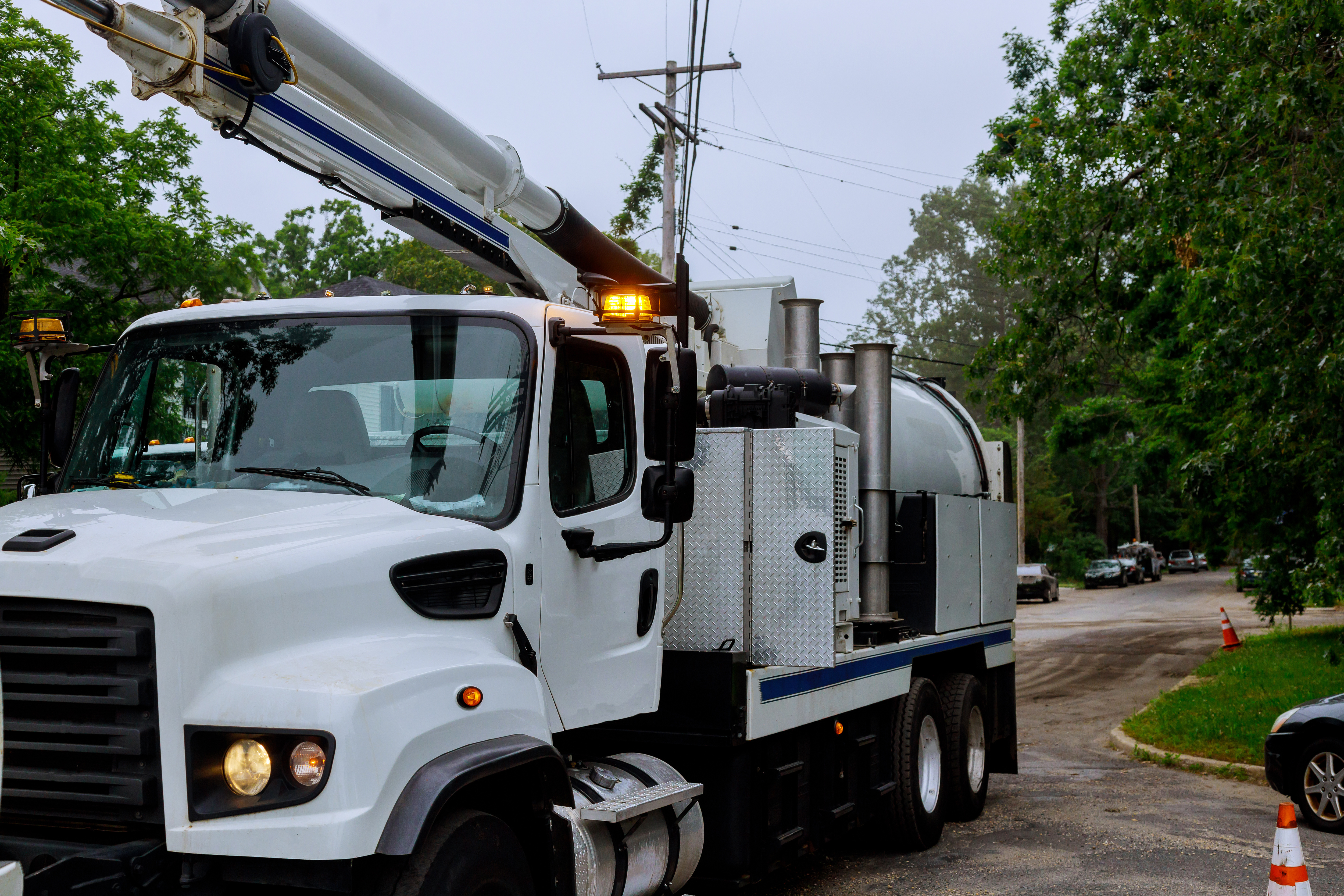
Work trucks and service bodies are among the most demanding environments for compartment hardware. Tool compartments, utility bodies, generator enclosures, and other storage areas may be opened and closed frequently while the vehicle travels over rough roads and through changing weather conditions.
Common applications include:
- Tool compartments
- Utility bodies
- Service truck storage
- Generator compartments
- Compressor enclosures
For service-body manufacturers, the challenge is balancing durability with the need for frequent access. Operators may open and close the same compartment repeatedly throughout the vehicle's service life, often in the field. At the same time, thousands of miles of road vibration can expose weaknesses in access hardware and cause unwanted movement or rattling.
That makes dependable operation and retention especially important for work truck applications. Locking capability and one-handed operation may also be priorities where compartments need to remain secure while providing convenient access to tools and equipment.
Cargo and Equipment Trailers
Trailer applications introduce another variable: prolonged exposure to road vibration and the elements. Side access doors, storage compartments, battery boxes, and equipment enclosures may be exposed to road spray, dust, temperature fluctuations, and continuous movement.
Common applications include:
- Side access doors
- Front storage compartments
- Battery boxes
- Tool storage
- Generator enclosures
For trailer manufacturers, the hardware needs to remain dependable throughout the trailer's service life while accommodating the realities of daily use. Compression latches for trailers can be particularly useful where access openings require secure retention and protection against environmental exposure.
A properly selected latch can also help address a common source of customer complaints: doors and compartments that rattle during travel. For equipment trailers that spend long periods on the road, keeping access doors secure and quiet can be an important part of the overall user experience.

Emergency Vehicles
Emergency vehicle compartments impose a different priority: access must be fast and predictable. Fire apparatus and ambulances rely on compartment hardware to secure equipment that may be needed at a moment's notice, including medical supplies, rescue tools, electrical equipment, and other mission-critical components.
Common applications include:
- Medical storage
- Rescue equipment
- Electrical compartments
- Pump panels
- Exterior storage
The hardware must remain securely engaged during vehicle operation while allowing personnel to reach equipment quickly when needed. That makes positive engagement and repeatable operation particularly important.
Emergency vehicles also place substantial demands on the hardware's durability. Compartments may be accessed repeatedly during a vehicle's service life, whereas exterior hardware can be exposed to water, road debris, cleaning chemicals, and other contaminants.
For emergency vehicle OEMs, latch hardware becomes part of a larger access system designed around reliability when the equipment inside may be needed immediately.

Electrical and Network Enclosures
For electrical and network equipment, environmental protection becomes the primary concern. As electrical, communications, and network infrastructure moves into more outdoor and exposed environments, enclosure hardware plays an important role in protecting sensitive components.
Common applications include:
- Control panels
- Network cabinets
- Outdoor electrical enclosures
- Telecommunications equipment
- Data center support equipment
An enclosure is only as effective as its access points. The door and its hardware have to work as part of the overall enclosure design to maintain the intended level of protection for the equipment inside.
Compression latches can be especially useful where consistent closure pressure is important to maintaining the enclosure's intended level of protection. For outdoor enclosure hardware, corrosion resistance and long-term environmental exposure also become significant considerations.
That means the latch is more than a door retention component. It forms part of the enclosure's overall sealing and access strategy.
Agricultural Equipment
Agricultural machinery presents a particularly aggressive operating environment. Dust, mud, moisture, fertilizers, chemicals, vibration, and repeated cleaning can all affect the performance and service life of industrial hardware.
Common applications include:
- Tractor service panels
- Sprayer compartments
- Battery boxes
- Equipment covers
- Storage compartments
Agricultural equipment also combines frequent access with harsh environmental exposure. Service panels and compartments need to remain secure while still providing technicians and operators with practical access.
This combination makes durable access hardware particularly important. Corrosion-resistant construction and finishes can be valuable where hardware is exposed to moisture, chemicals, and agricultural materials. The hardware also needs to remain functional despite the vibration and contamination that can accompany daily operation.
Selecting the appropriate latch in the initial equipment design gives OEMs an opportunity to account for these conditions in the overall enclosure and access system.
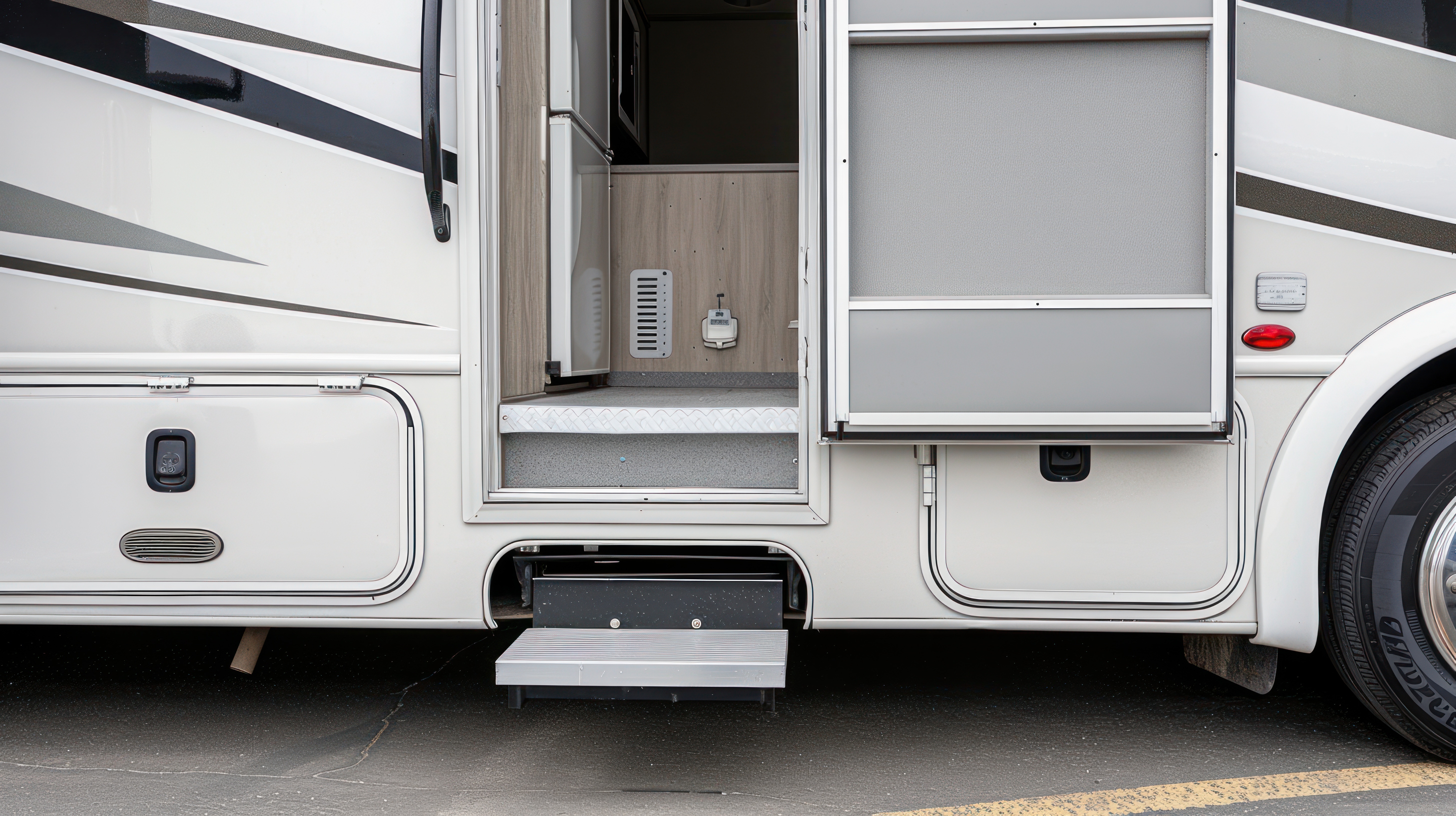
Recreational Vehicles
RV applications shift the priorities again, combining exterior exposure with expectations for quiet, convenient operation and a finished appearance. Exterior compartments need to protect stored equipment from weather while remaining easy for owners to access.
Common applications include:
- Exterior storage doors
- Utility compartments
- Generator access panels
- Battery compartments
- Service doors
RVs spend significant time in motion, so vibration resistance remains important even when the vehicle is primarily used for leisure. A loose-fitting compartment door can produce persistent rattles that become especially noticeable inside a relatively quiet vehicle.
For RV manufacturers, compartment hardware also contributes to the vehicle's finished appearance. The latch needs to fit within the available mounting space, complement the overall design, and provide dependable operation.
For RV manufacturers, that makes latch selection part of both the functional and visual design of the vehicle.
Industrial Equipment and Manufacturing
In industrial equipment, the closure often has to balance serviceability with equipment protection. Manufacturing machinery may require access to electrical components, controls, service areas, and other enclosed systems while those access points remain secure during operation.
Common applications include:
- Machine guarding
- Industrial cabinets
- Control enclosures
- Automation equipment
- Maintenance access doors
Industrial compression latches can provide repeatable closure while allowing convenient access to service areas. In equipment exposed to vibration, reliable door retention becomes especially important during operation.
For machinery manufacturers, the enclosure and its access hardware are part of the equipment design itself. Door construction, available installation space, service requirements, and the operating environment all influence how the closure system needs to function.
That makes latch selection an important consideration during equipment development, rather than simply a hardware decision made after the enclosure has been designed.

Choosing the Right Compression Latch
The best compression latch depends on the application. A latch designed for a lightly used indoor cabinet may have very different requirements from one installed on agricultural machinery, an emergency vehicle, or a work truck.
Rather than evaluating each requirement independently, engineers should consider three broad areas when selecting compression latch hardware.
Fit and installation
Door thickness, panel material, mounting geometry, and available installation space all influence whether a particular latch can be integrated effectively. The latch and keeper need to align properly, while the door, frame, and gasket need to work together as a complete closure system.
Performance and operation
Required gasket compression, vibration levels, frequency of access, cycle life, and operator ergonomics all affect the appropriate latch design. Locking capability or controlled access may also be necessary depending on what the enclosure protects and who needs access to it.
Environment and protection
Moisture, dust, chemicals, temperature, and other environmental conditions can affect hardware performance over time. Corrosion resistance and material or finish selection should therefore reflect the equipment's actual operating environment. Applicable industry or equipment standards may also influence the final selection.
Other access hardware may be part of the same design. Depending on the application, engineers may also need to consider hinges, door seals and gaskets, locks, gas springs, or alternative latch styles such as rotary or paddle latches. In outdoor applications, weatherproof latches and corrosion-resistant finishes may also be appropriate.
The earlier these requirements are addressed, the easier it is to select hardware that works with the enclosure or vehicle platform rather than adapting the design around a latch after the fact.
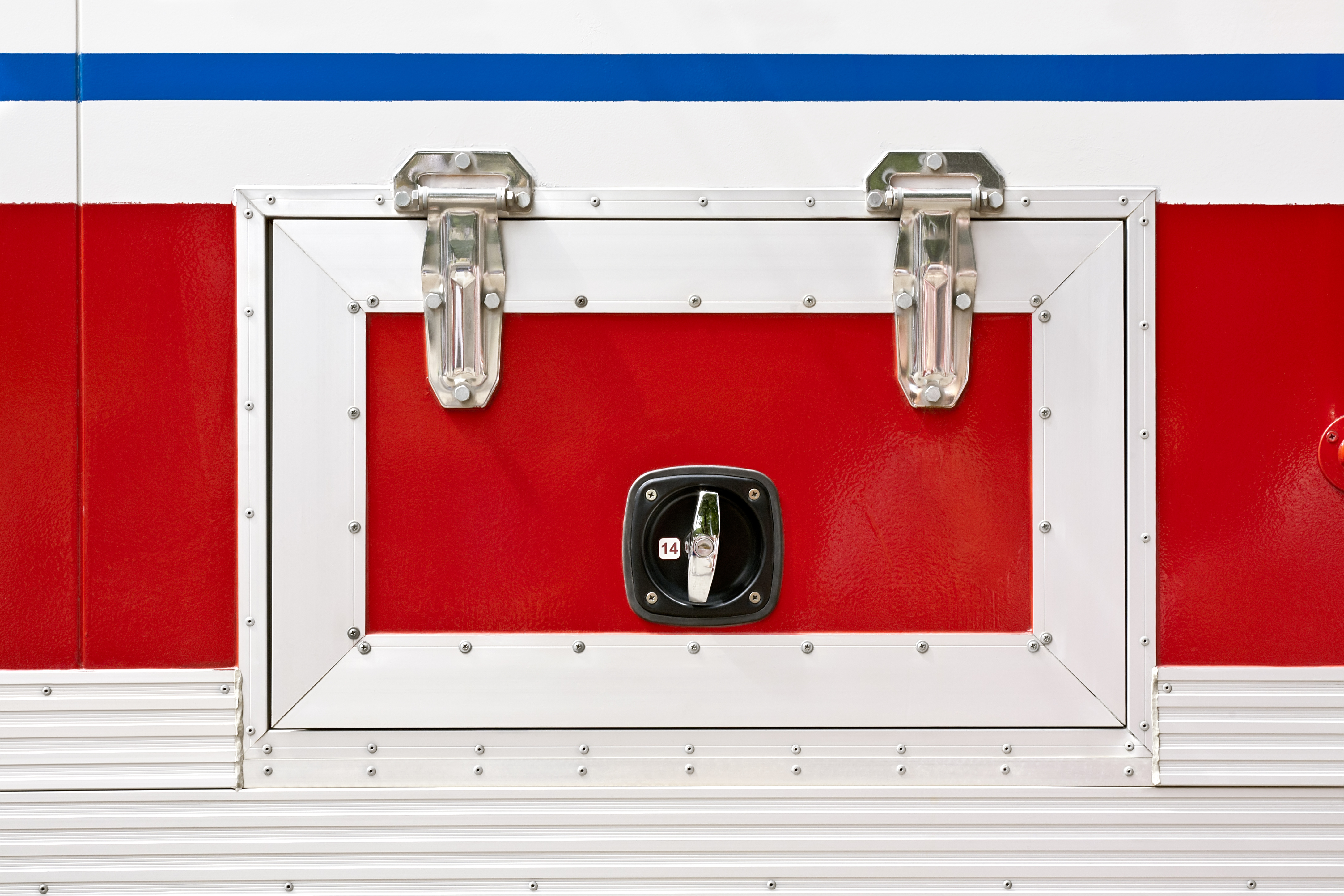
Engineering the Right Solution
Compression latches are relatively small components, but their role extends well beyond holding a door closed. By combining secure retention with a controlled closing action, they can contribute to sealing, vibration resistance, equipment protection, and reliable access across a wide range of OEM applications.
Austin Hardware offers compression latches and other access hardware from leading manufacturers like Southco, TriMark, Eberhard, and many more, along with engineering support to help OEMs evaluate hardware based on application requirements, environmental conditions, and production goals.
Whether you're designing a new enclosure, developing a vehicle platform, or improving an existing access point, selecting the right latch early can help create a closure system that performs as intended throughout the equipment's life.
If you need help selecting compression latches, enclosure hardware, or other access hardware for an OEM application, contact Austin Hardware to discuss your requirements.