
ECK® CORROSION PROTECTION FOR COLLISION REPAIR
Protect Repaired Components from Corrosion Before It Starts
Collision repair can expose bare metal, introduce replacement fasteners, and bring aluminum, steel, stainless steel, and other dissimilar metals together. Moisture, road salt, and de-icing chemicals can accelerate galvanic corrosion at those interfaces.
Eck® is a zinc-based corrosion-prevention solution designed to help protect dissimilar-metal connections from galvanic corrosion. In collision repair, Eck helps protect fasteners, body components, hinges, electrical connections, and other repaired areas where different metals come together.


WHERE TO APPLY ECK DURING COLLISION REPAIR
Eck is applied during reassembly to corrosion-prone surfaces, fasteners, holes, and metal interfaces. Select the product format and application method based on the repair, following product instructions.
BODY BOLT & FASTENERS

During reassembly, apply Eck to fastener threads and into drilled holes where dissimilar metals meet. Its corrosion-protection and anti-seizing properties make it relevant to replacement body bolts, screws, rivets, and related hardware.
DRILLED HOLES & EXPOSED METAL

Repair drilling and component replacement can leave newly exposed metal at mounting holes and cut edges. Protect suitable exposed areas and hardware interfaces before installing replacement components.
HINGES, LATCHES & MOUNTING BRACKETS
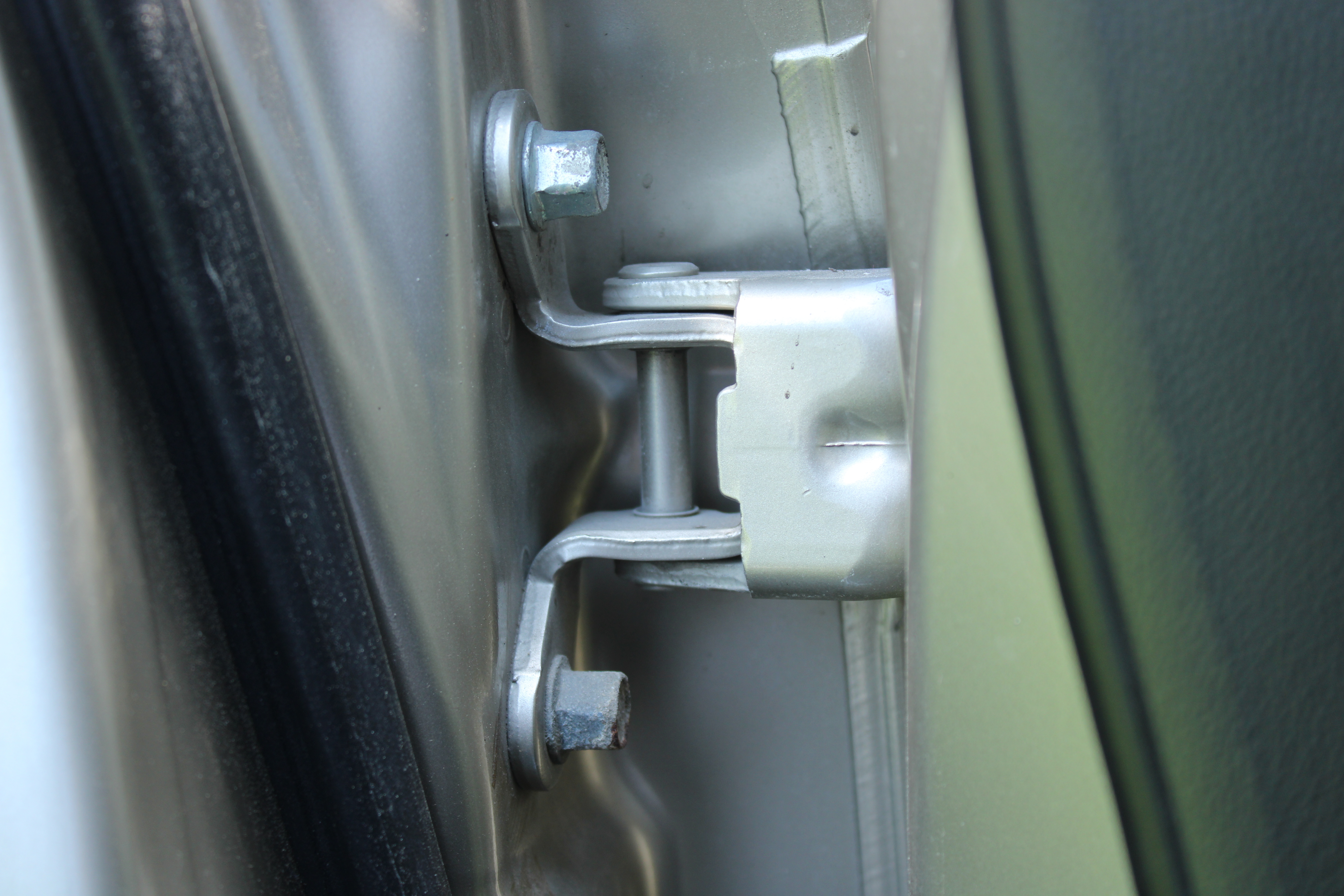
Replacement hinges, latches, brackets, and mounted fittings can create hidden metal-to-metal contact surfaces. Apply Eck between appropriate mating surfaces and around mounting fasteners during assembly.
REPLACEMENT PANELS & BODY MOUNTING POINTS

Where repaired or replacement panels attach to metal structures, Eck can help isolate dissimilar-metal contact surfaces and seal out moisture at suitable connection points.
ELECTRICAL CONNECTORS & LIGHTING HARDWARE
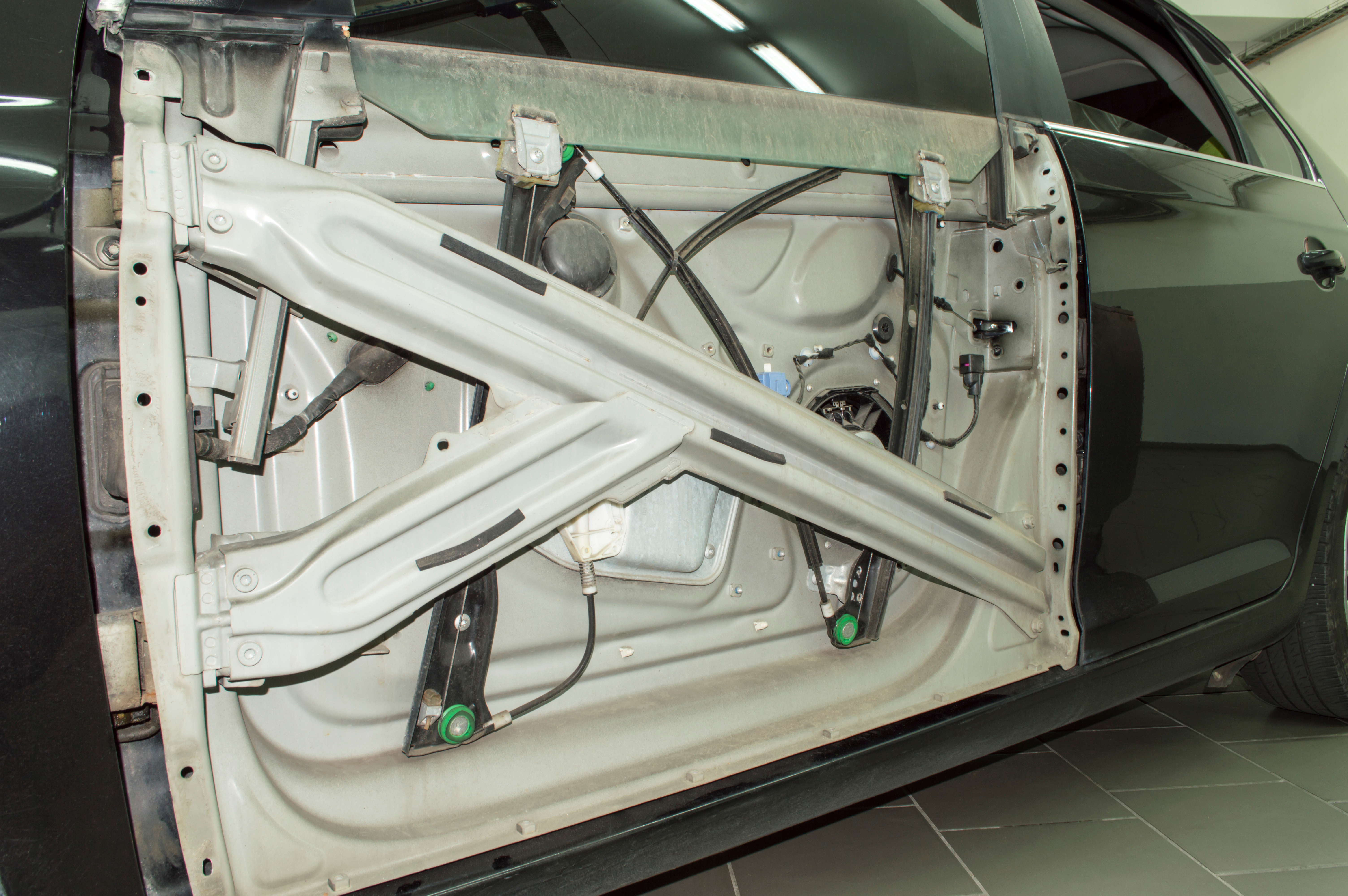
Eck can be used around electrical connectors as a dielectric corrosion-prevention solution. Apply only where appropriate under the connector or vehicle manufacturer’s instructions; do not coat contacts that must provide a conductive ground path unless specifically approved.
APPLICATION GUIDE
Learn where to apply Eck during collision repair, how to protect hidden metal interfaces, and what to check during installation. Includes surface preparation, fastener treatment, inspection guidance, and application precautions.
Eck Options for Collision Repair
Choose the package format based on the size of the repair and access to the application area.
| FORMAT | BEST FOR |
|---|---|
| 0.5 oz Squeeze Tube | Small touch-ups, individual fasteners, and localized applications. |
| 3.75 oz Liquid Paste Squeeze Tube | Targeted work around holes, hardware, and mounting points. |
| 12 oz Aerosol Spray | Spray application and hard-to-reach areas; supplied with a precision straw. |
| 32 oz Liquid Paste Quart | Larger-area brushing or rolling, and dipping suitable hardware. |
WHY BUY ECK FROM AUSTIN HARDWARE?
Austin Hardware supplies ECK alongside a range of collision-repair products including fasteners, such as rivets, Huck lockbolts, blind threaded inserts, nuts, and washers, as well as specialty components including body bolts, electrical connectors, and more. It also provides product and application support for collision repair.
For repair facilities, sourcing corrosion protection with the replacement hardware used in the same job can simplify product selection and purchasing.
PROTECT THE REPAIR. REBUILD WITH CONFIDENCE.
The most practical opportunity to protect hidden metal interfaces is during disassembly and reassembly, before new fasteners and hardware are fully installed. Whether replacing a body panel, fitting a new hinge, or repairing any damaged area of a truck body, use approved preparation and application procedures to address corrosion-prone contact points.
APPLICATION NOTE
Eck is intended for corrosion prevention; it does not reverse existing corrosion or restore damaged metal. Confirm surface preparation and application requirements from the manufacturer. Follow repair procedures, torque specifications, electrical grounding requirements, and product safety instructions. Eck is dielectric and must not be assumed suitable inside every conductive electrical joint. Always review the complete application guide and safe use instructions before using Eck.