
5 Signs of Poor Inventory Management in Work Truck Manufacturing
Posted by Austin Hardware on Nov 6th 2026
5 Signs Your Work Truck Operation Has an Inventory Management Problem
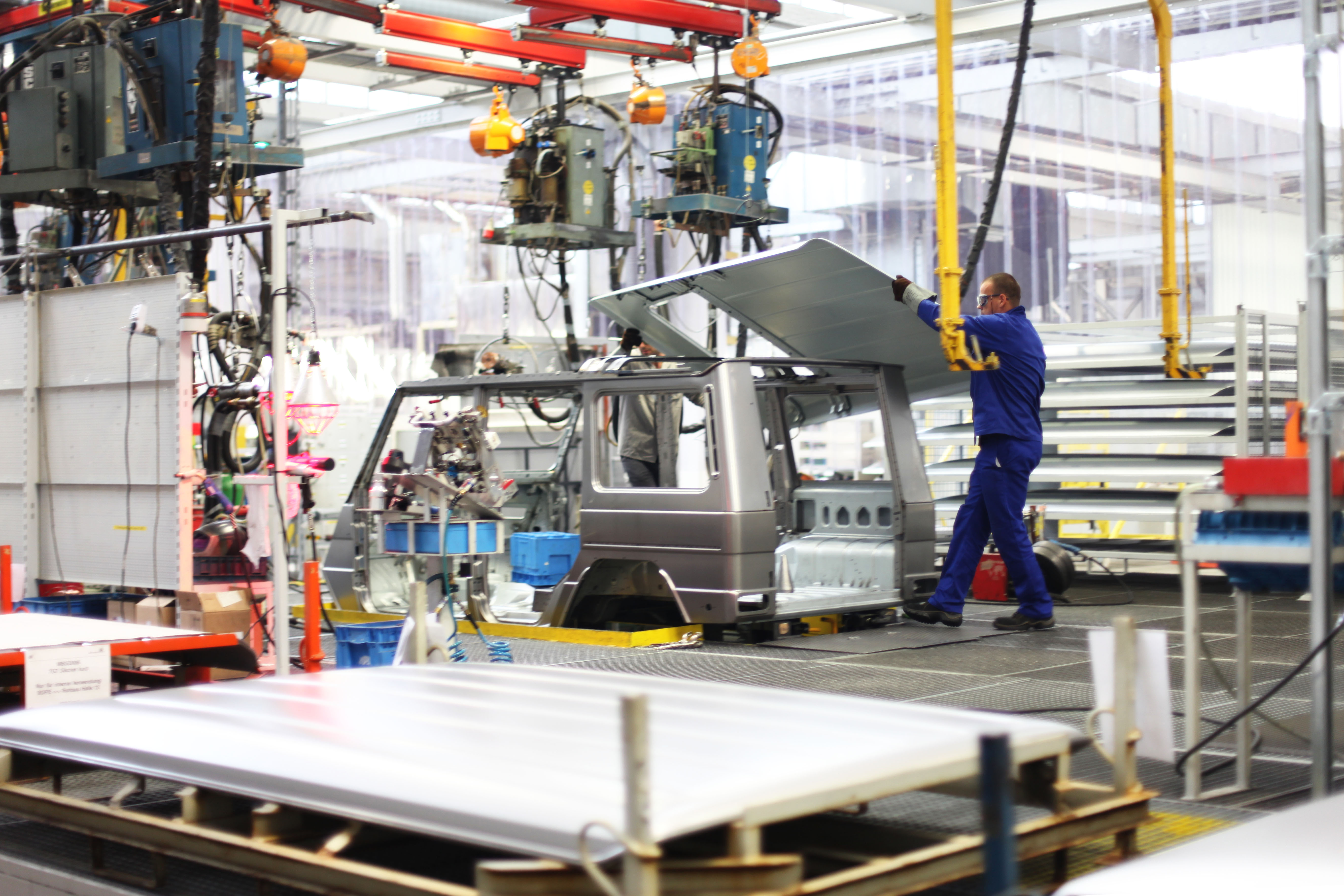
Work truck manufacturing depends on a steady supply of hardware and components to keep production moving. When parts are unavailable, inventory records are unreliable, or replenishment becomes a scramble, production schedules can be disrupted and costs can increase.
These problems don't always mean more inventory is needed. Sometimes, the issue is how parts are tracked, replenished, or made available to production.
Recognizing the warning signs can help manufacturers identify process gaps and determine where improvements could make the biggest difference.
1. Production Delays Caused by Missing Parts
Sometimes, an inexpensive latch, hinge, or fastener is all it takes to hold up an assembly.
When a part is missing, employees may search storage areas, borrow components from other builds, or wait for a rush order. Each response consumes time and can disrupt the production schedule.
Recurring shortages of commonly used hardware deserve particular attention. If the same components repeatedly interrupt production, the problem may lie in how inventory levels are monitored or how replenishment orders are timed.

2. Your Team Spends Too Much Time Managing Inventory
How much time does your team spend keeping everyday supplies available?
Purchasing employees may repeatedly check stock levels, count parts, update spreadsheets, place orders, and follow up with suppliers. When replenishment depends on manual checks, these tasks can take time away from sourcing decisions, supplier relationships, and cost management.
The distinction is between managing inventory strategically and constantly reacting to immediate needs. A more structured process can reduce repetitive administrative work and give purchasing teams more time for planning.
3. You Have Too Much Inventory, but Still Run Out of Parts
A crowded warehouse might suggest that inventory is under control. In reality, excess stock and recurring shortages can coexist.
Slow-moving components occupy valuable space and tie up working capital, while frequently used hardware runs out when production needs it. The result is an inventory mix that costs more to maintain without keeping the parts production needs available.
This can happen when purchasing decisions rely on historical ordering habits or broad estimates rather than actual usage and production demand.
Effective inventory control aligns stock levels with component usage, production importance, and supplier lead times. The goal is to maintain appropriate quantities while limiting unnecessary inventory.
4. Inventory Counts Don't Match What's Actually Available
Inventory records are only useful when they reflect what is physically available.
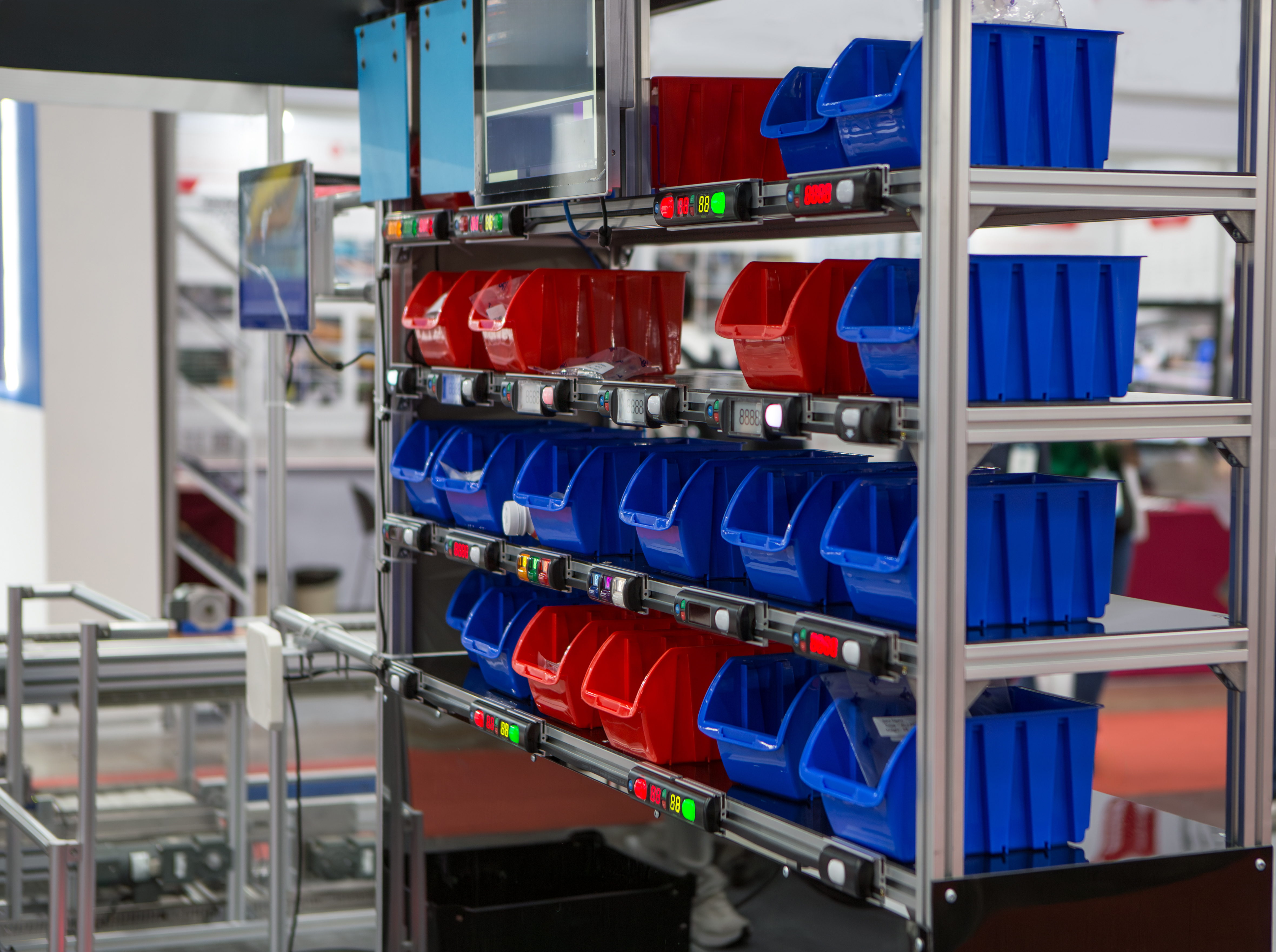
If recorded balances don't match the parts on the shelf, purchasing and production teams may struggle to make reliable decisions. Employees might order components already in stock or assume parts are available when they have been moved, consumed, or allocated elsewhere.
These discrepancies can develop when parts move between storage and production without consistent tracking or when records aren't updated promptly.
Improving visibility starts with reviewing how parts are recorded, moved, and counted. Consistent processes can help teams make better replenishment decisions without necessarily requiring a new inventory system.
5. Every Shortage Becomes an Emergency
When inventory problems go unaddressed, last-minute purchase orders, repeated supplier follow-ups, and expedited freight can become routine.
Emergency orders are sometimes unavoidable when demand changes or a supplier experiences a disruption. However, repeated emergencies involving the same components may indicate that reorder points are too low, usage patterns aren't being reviewed, or replenishment responsibilities are unclear.
Reviewing shortage history, purchasing records, and component usage can reveal recurring risks. Addressing those patterns before stock runs out helps reduce avoidable rush orders and gives production teams more predictable access to parts.
How to Improve Inventory Management in Work Truck Manufacturing
Improvement starts with identifying where the current process falls short. Manufacturers can begin by reviewing a few key areas:
- Prioritize critical components. Identify frequently used hardware and parts that can interrupt production when unavailable.
- Review recurring problems. Look for patterns in shortages, excess stock, and emergency orders.
- Improve inventory visibility. Compare recorded quantities with physical stock and actual usage.
- Evaluate replenishment practices. Determine whether ordering schedules and stock levels reflect production demand and supplier lead times.
- Consider inventory management support. Vendor-managed inventory (VMI) and customer-managed inventory (CMI) offer structured approaches to replenishment.
With VMI, a supplier monitors agreed-upon inventory levels and replenishes stock according to established parameters. CMI allows the customer to retain control of replenishment decisions within a defined inventory management process.
The right approach depends on the operation's inventory requirements, internal resources, and production demands. The objective is to improve parts availability while reducing the time and effort required to maintain it.

Find a Better Way to Manage Work Truck Inventory
Inventory management influences production continuity, warehouse efficiency, working capital, and the time employees spend resolving shortages.
Austin Hardware works with work truck manufacturers to supply the hardware and components they need, along with inventory management solutions tailored to operational requirements. Through VMI, CMI, and related supply capabilities, Austin can help manufacturers evaluate ways to improve parts availability and establish more consistent replenishment processes. Explore Austin Hardware's work truck solutions to learn more.
Want to spend less time managing inventory and more time keeping production moving? Contact Austin Hardware to discuss inventory management solutions for your operation.