
Why Outdoor Electrical Enclosures Matter More Than Ever
Posted by Austin Hardware on Aug 17th 2026
Why Outdoor Electrical Enclosures Are Protecting More Than Ever
Not long ago, outdoor electrical enclosures had a relatively straightforward purpose. They protected electrical components from rain, dust, dirt, and accidental contact. As long as the equipment inside remained dry and operational, the enclosure had done its job.
Today, those same enclosures play a far more significant role.
Across nearly every industry, essential systems are moving beyond the walls of traditional facilities and into outdoor environments. Electric vehicle charging stations, intelligent transportation systems, renewable energy installations, telecommunications infrastructure, and edge computing all rely on electrical equipment operating continuously in conditions that can be anything but predictable.
As a result, the enclosure is no longer protecting simple controls. It is protecting critical infrastructure that businesses, municipalities, and consumers depend on every day.
Outdoor Infrastructure is Expanding
The rapid expansion of connected technologies has fundamentally changed where electrical equipment is installed. Instead of residing inside climate-controlled buildings, critical electronics are increasingly deployed along highways, in parking lots, at utility sites, on communication towers, and throughout industrial campuses.
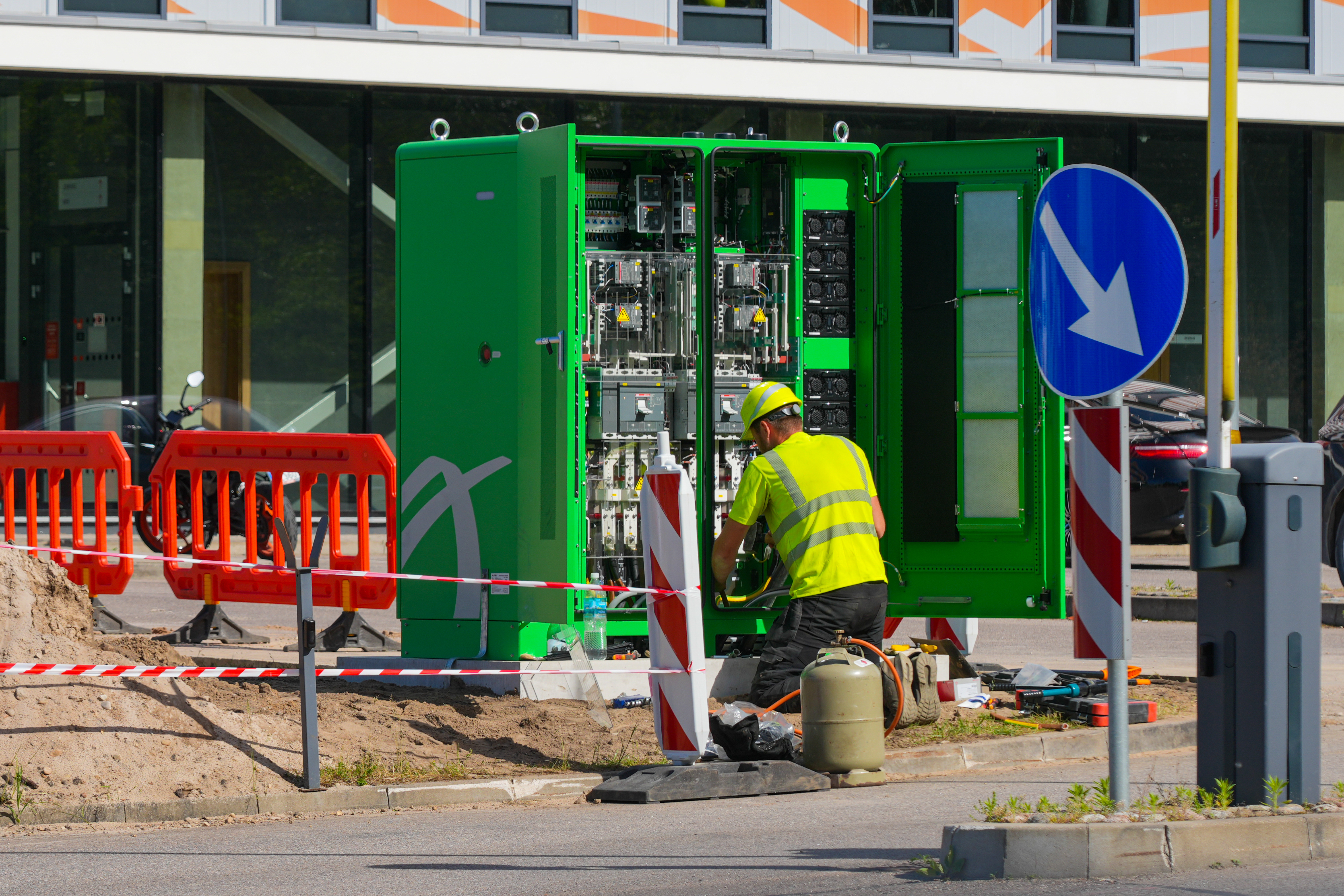
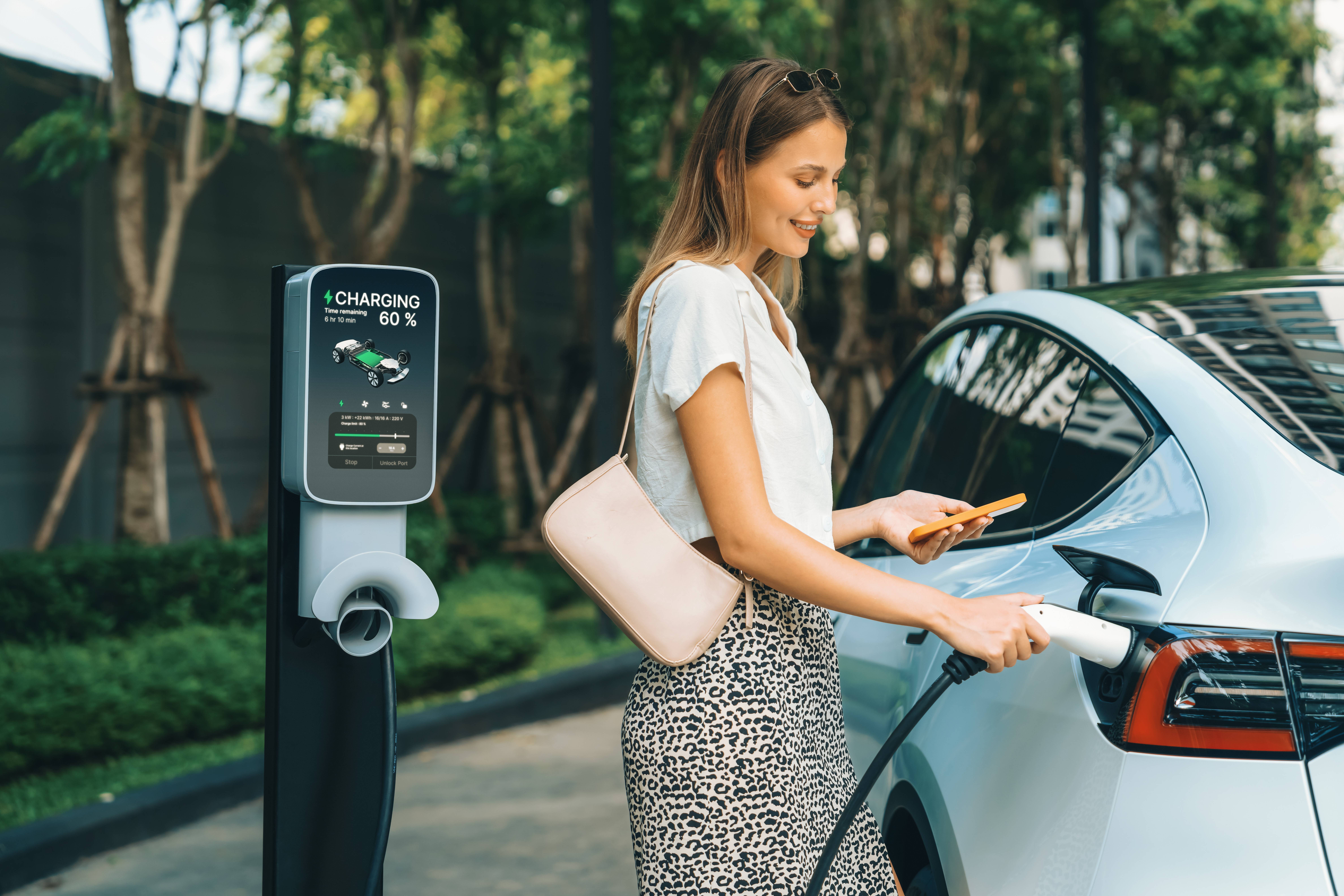
Consider the variety of applications now depending on outdoor electrical enclosures. Public EV charging stations house sophisticated power electronics and communications equipment that must remain operational in all weather conditions. Intelligent transportation systems rely on outdoor cabinets to manage traffic signals, roadway monitoring, and connected infrastructure that keeps vehicles moving safely and efficiently.
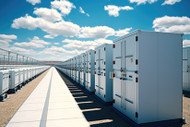
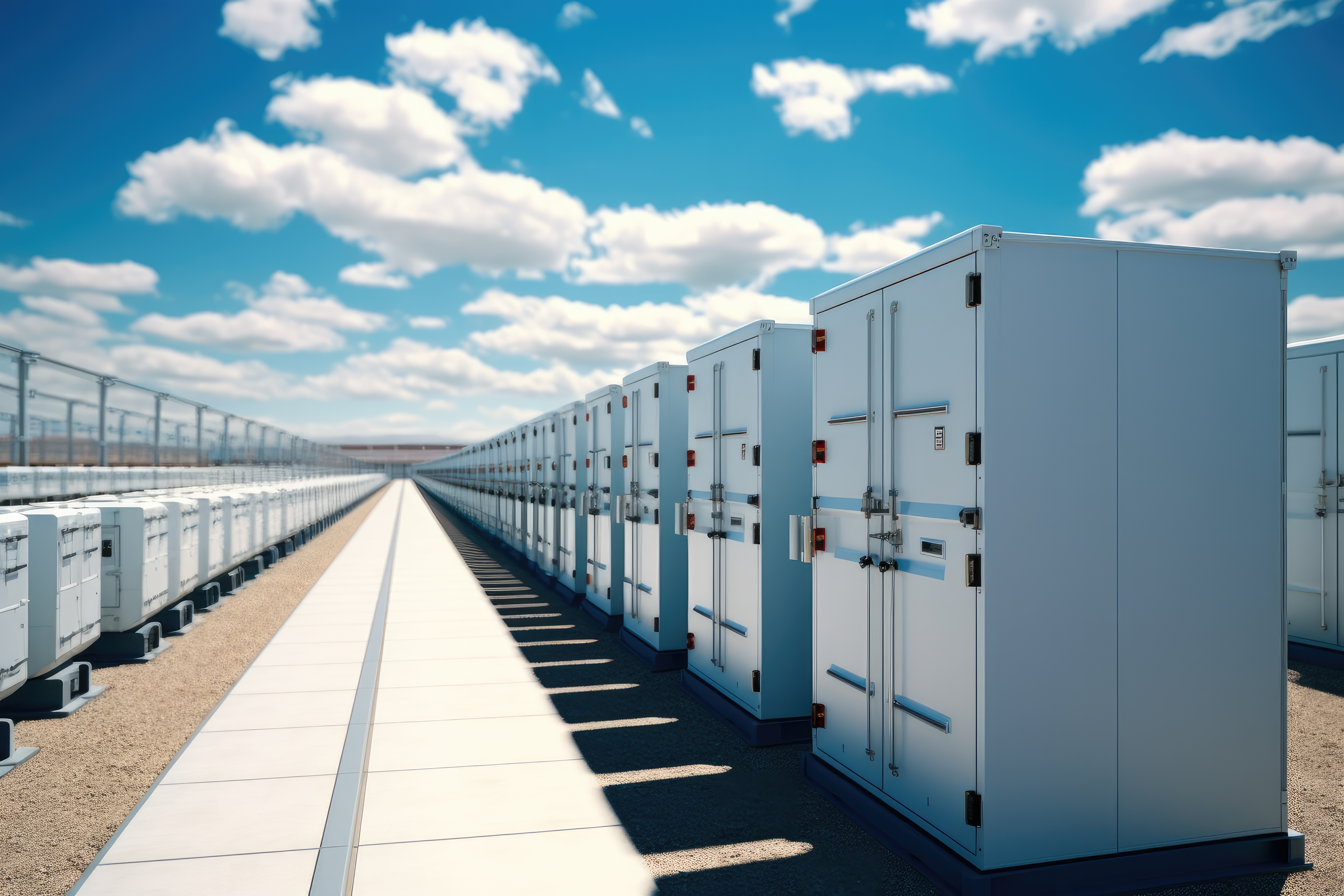
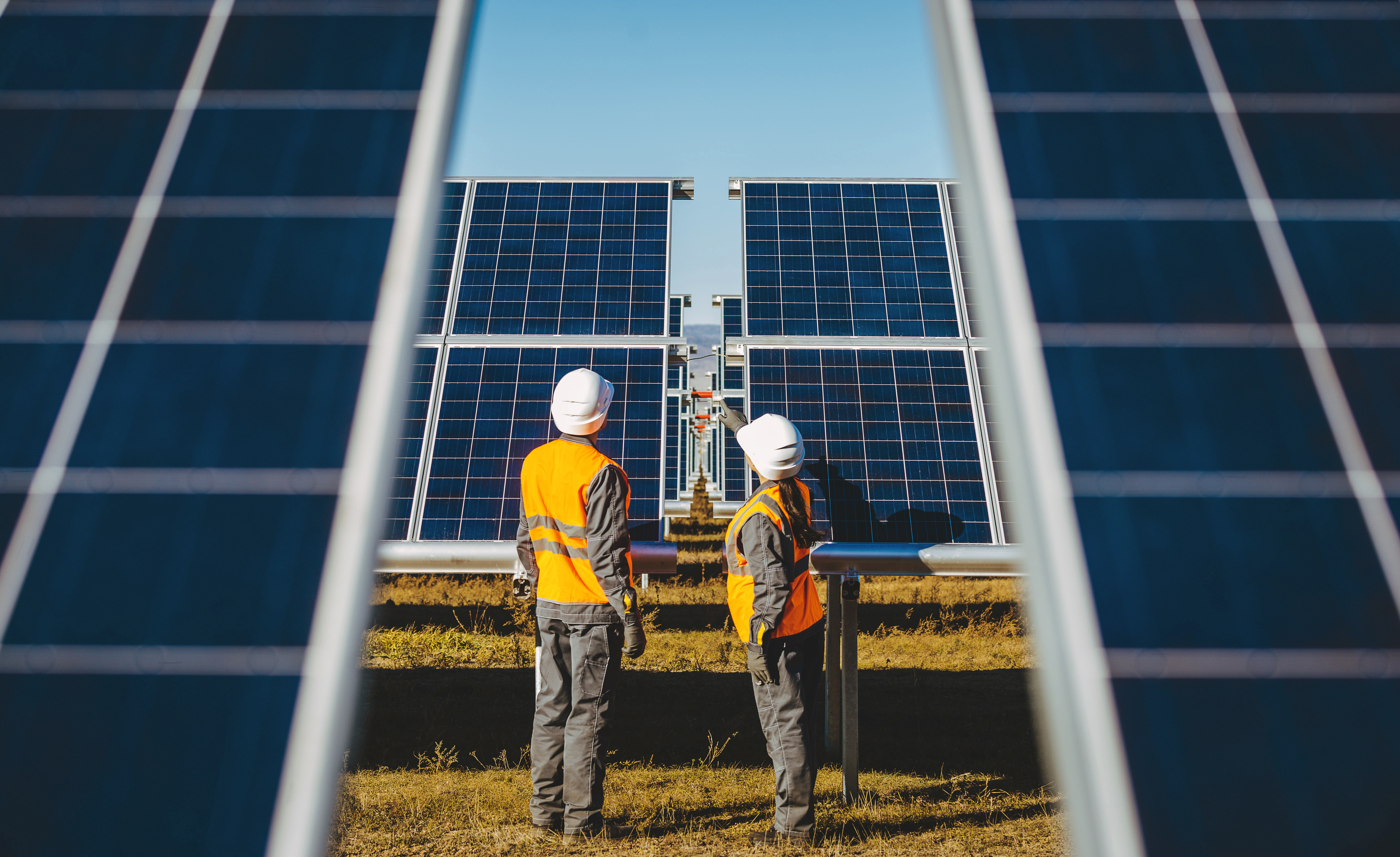
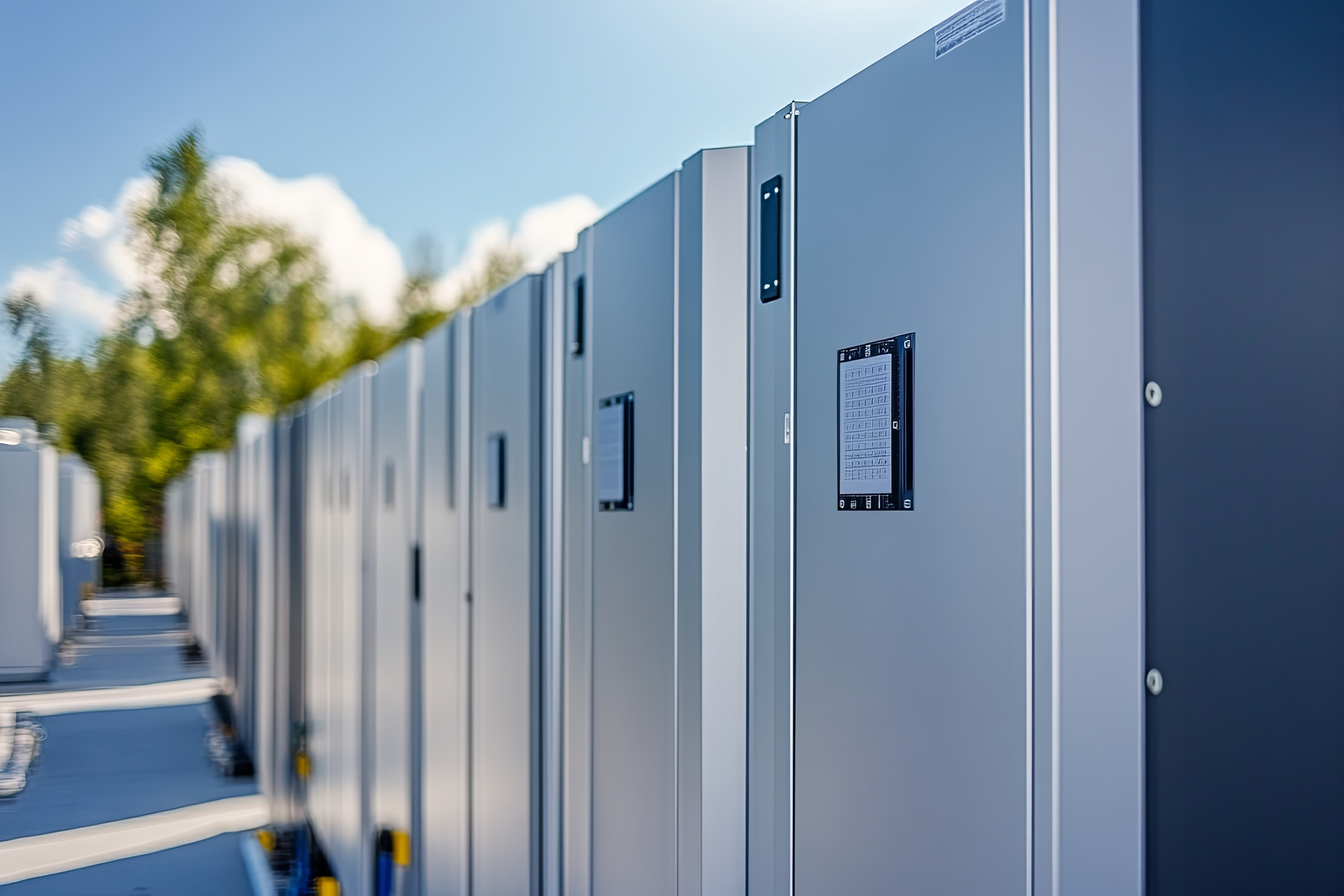
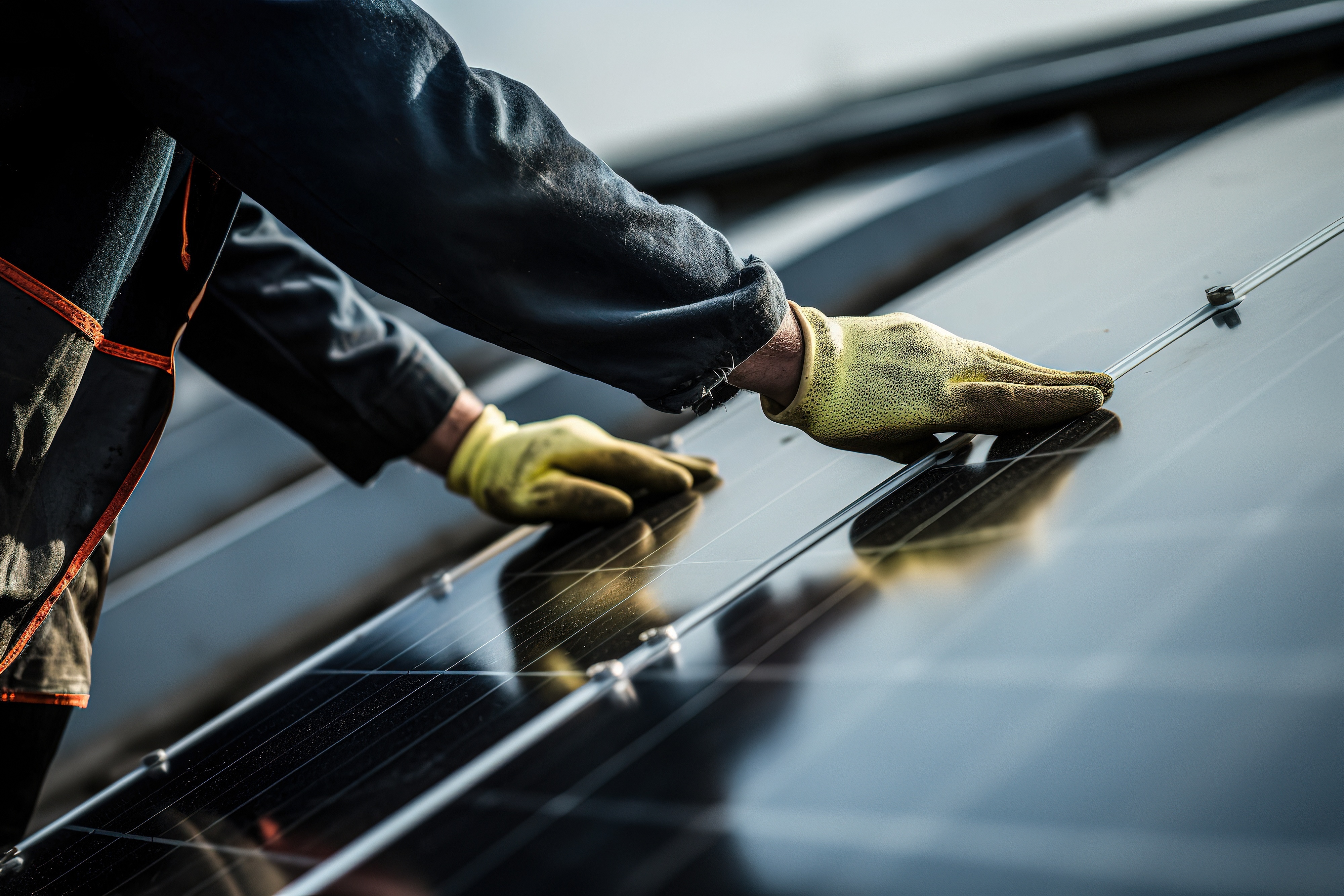
The same trend extends to telecommunications, where 5G networks, small cell installations, and fiber infrastructure place sensitive electronics outdoors. Renewable energy systems, including solar arrays, battery energy storage, and wind installations, face constant exposure to sun, moisture, dust, and temperature extremes. At the same time, edge computing is moving processing power closer to manufacturing facilities, smart cities, and industrial IoT applications, placing increasingly valuable computing equipment inside outdoor cabinets.
What these systems share is a common expectation: continuous operation. Downtime is no longer a minor inconvenience. It can interrupt transportation, communications, energy production, manufacturing operations, or customer service. That reality has elevated enclosure design from a protective afterthought to an essential part of system reliability.
Why Reliability Expectations Have Changed
Protecting equipment from the elements has always been important. What has changed is the cost of failure.
Many outdoor systems operate in remote locations where maintenance personnel may not be readily available. A single equipment failure can result in expensive service visits, interrupted operations, warranty claims, lost productivity, and dissatisfied customers.
Organizations are also placing greater emphasis on predictive maintenance and lifecycle cost reduction. Durable enclosure systems help support these goals by protecting critical electronics throughout years of continuous operation.
Today, reliability is measured not simply by whether an enclosure withstands the weather, but by how effectively it supports uninterrupted system performance over its entire service life.
Designing for the Real World
Outdoor equipment faces a wide range of environmental conditions that can gradually affect performance if they are not addressed during the design process.
Rain and moisture remain obvious concerns, but they represent only part of the equation. Ultraviolet exposure, temperature cycling, condensation, wind-driven rain, snow, airborne dust, salt spray, vibration, industrial chemicals, and even insects or wildlife all present unique challenges. Whether designing custom solutions or specifying NEMA-rated enclosures, manufacturers must account for these real-world conditions from the start.
Each factor influences decisions involving material selection, corrosion resistance, gasketing, hardware, ventilation, cable entry, and overall enclosure construction. Addressing these considerations early in the design process helps improve long-term reliability while reducing maintenance requirements.
Engineering Beyond the Box
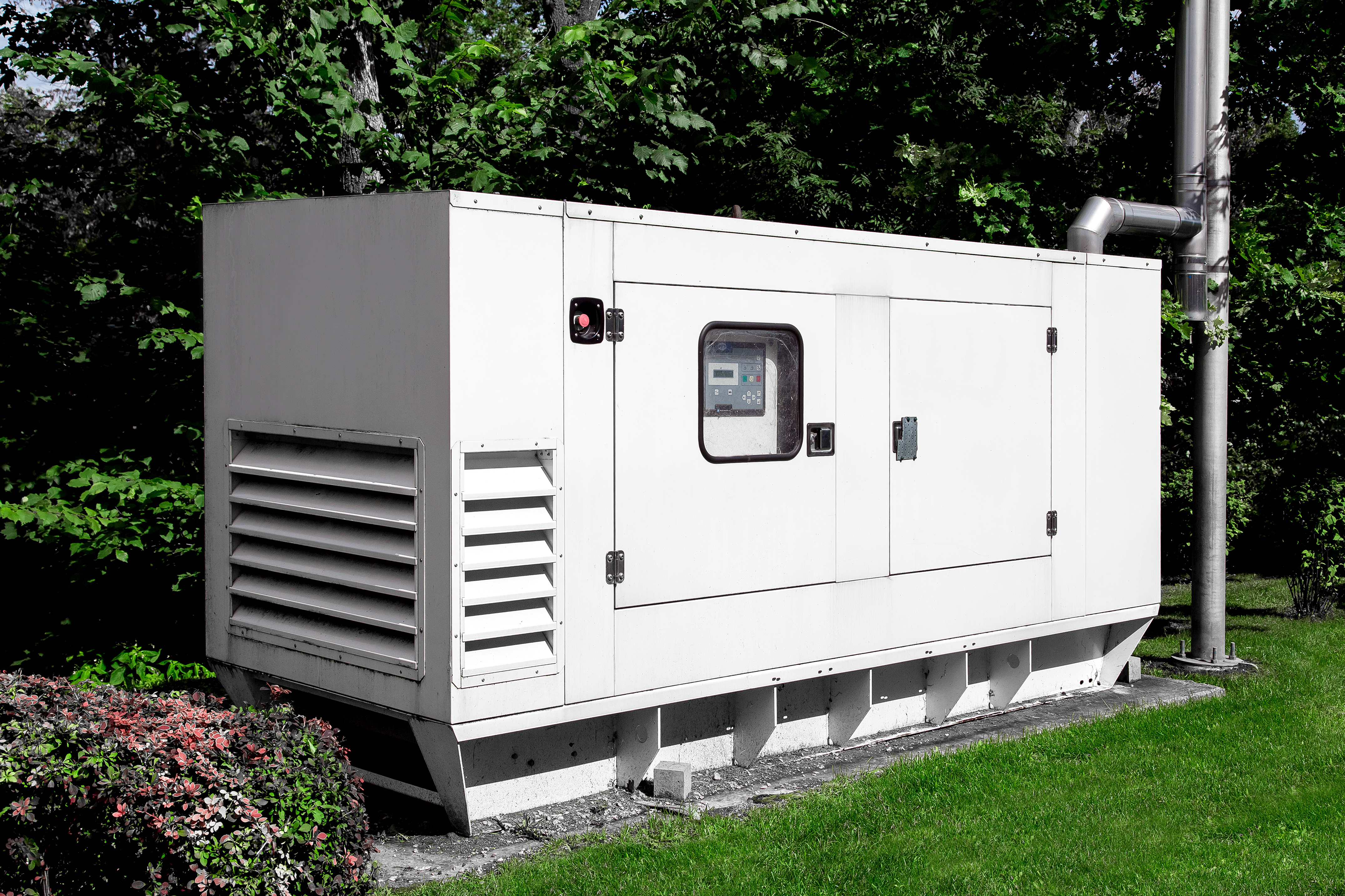
An enclosure is much more than a housing for electrical components. It is an engineered system in which every component contributes to long-term performance.
Door hardware, hinges, latches, locking systems, gasketing, ventilation, cable management, corrosion-resistant materials, and thermal management solutions all work together to protect sensitive equipment while supporting serviceability and ease of manufacturing.
Small hardware decisions can have a significant impact on equipment performance in the field. Selecting proven enclosure components helps manufacturers build systems capable of withstanding years of demanding outdoor operation.
Building Infrastructure That Lasts
Outdoor infrastructure will continue expanding as electrification, connectivity, and digital transformation reshape industries around the world.
As reliability expectations increase, manufacturers need enclosure systems that do more than shield electronics from the weather. They need solutions engineered for durability, serviceability, and dependable performance throughout the equipment's lifecycle.
At Austin Hardware, we work with OEMs to select enclosure hardware that supports those goals. From latches and hinges to gasketing, locking systems, and other engineered hardware solutions, we help manufacturers build outdoor electrical enclosures designed for the demanding environments where today's critical infrastructure operates.
Whether you're developing equipment for EV charging, telecommunications, renewable energy, transportation systems, edge computing, or industrial automation, thoughtful enclosure design and quality hardware can help improve reliability for years to come.