

What to Expect When Implementing Vendor Managed Inventory
Posted by Austin Hardware on Aug 25th 2026
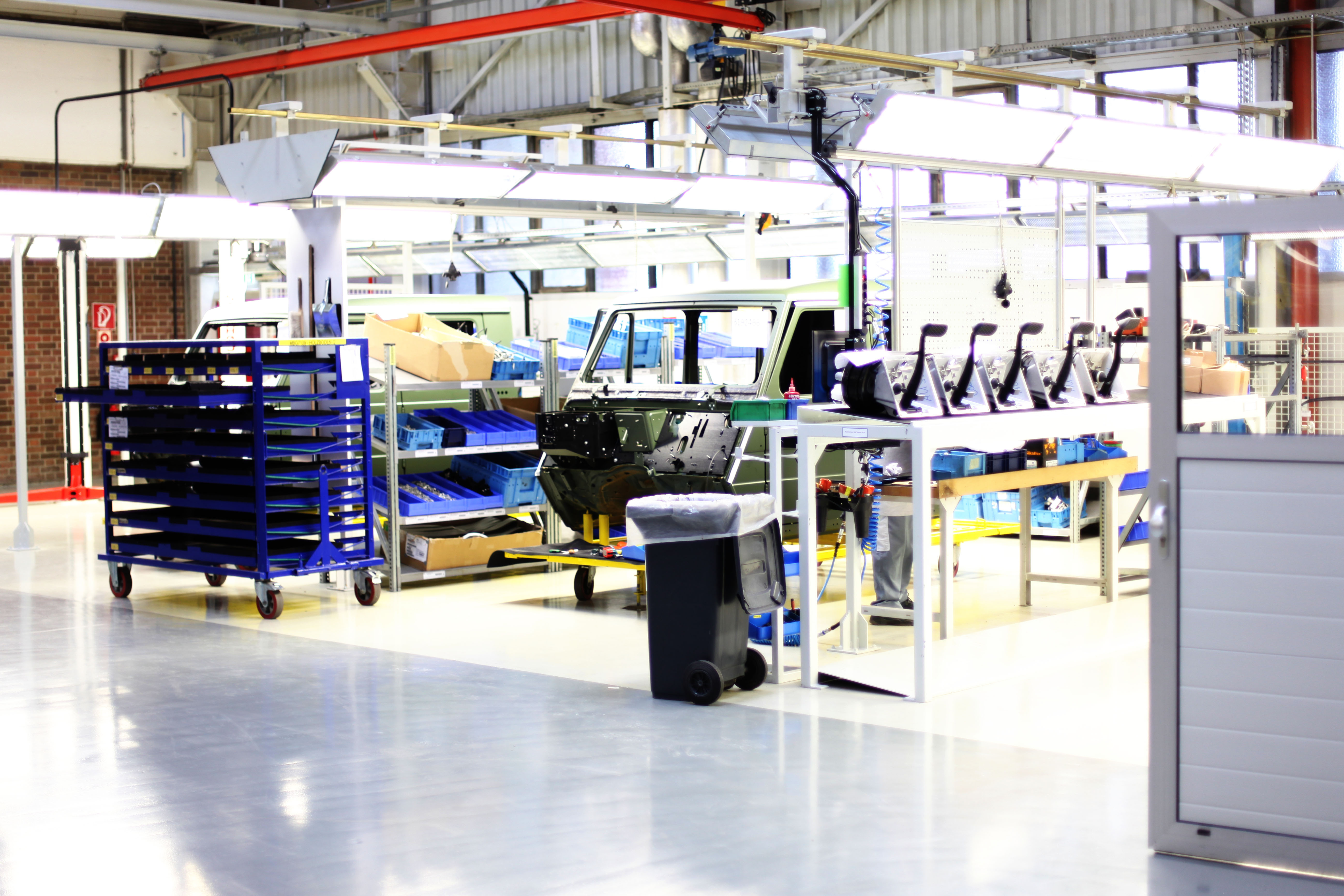
Editor's Note: Insights for this article were provided by Connor Arney, Austin Hardware’s National Sales Manager for Vendor Managed Inventory. Drawing on his experience implementing customized VMI programs for manufacturers across North America, Connor helped shape the guidance presented below.
What to Expect When Implementing Vendor Managed Inventory
For many manufacturers, the idea of Vendor Managed Inventory sounds appealing. Lower inventory levels, fewer stockouts, and less time spent managing inventory all make a compelling business case.
Then comes the question every manufacturer asks:
What does implementation actually look like?
Will production be disrupted? How much work will your team need to do? How long will it take before the program is running?
Those are reasonable concerns, especially for work truck OEMs where production schedules, multiple vehicle configurations, and customer delivery commitments leave little room for error.
The good news is that a successful VMI implementation isn't about asking manufacturers to change the way they build products. It's about designing an inventory program around the way they already operate.
Connor Arney, National Sales Manager for Vendor Managed Inventory (VMI) at Austin Hardware, says that's one of the biggest misconceptions manufacturers have before implementing VMI. "We don't have any two programs that are the same," Arney says. "We want to adapt to what our customers need us to be."
While this article focuses on work truck manufacturers, the same philosophy applies across virtually every manufacturing environment because no two operations are exactly alike.
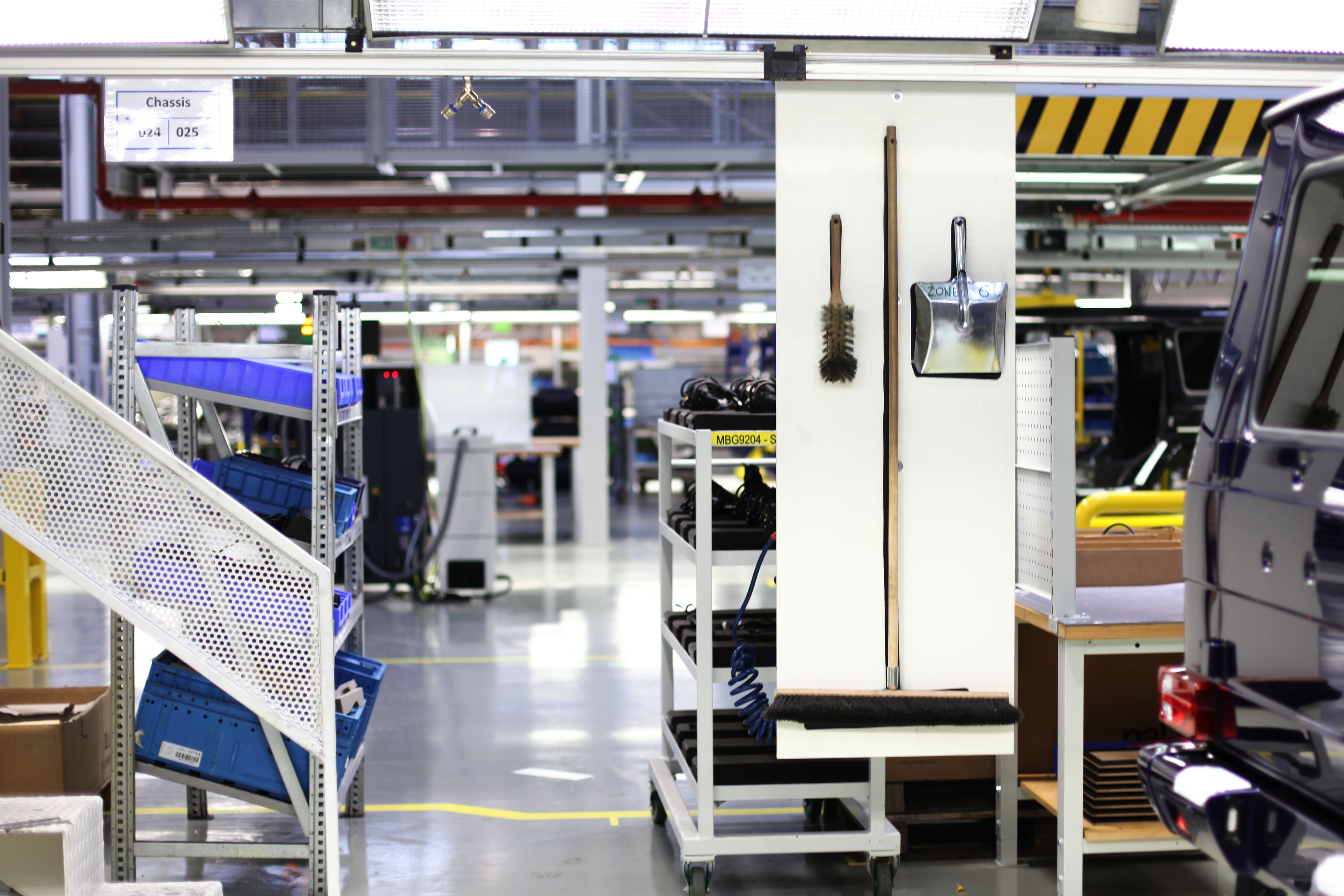
Expect a Customized Program, Not a Cookie-Cutter Solution
One of the biggest misconceptions about VMI is that every implementation follows the same blueprint.
In reality, manufacturing processes vary widely, even among work truck OEMs. Production flow, inventory practices, facility layouts, and stocking strategies all influence how a VMI program is designed.
As Arney explains, "Even within work truck manufacturing, their manufacturing processes vary so much." Rather than forcing customers into a predefined system, Austin Hardware builds each program around the customer's operation.

Expect the First Conversations to Focus on Your Challenges
Implementation starts long before inventory is moved. The first step is understanding what you're trying to accomplish. Some manufacturers want to reduce inventory carrying costs. Others are struggling with long lead times, inconsistent fill rates, or too much labor spent on managing inventory rather than building products. Those conversations help establish the goals that will shape the program.
Austin Hardware also spends time learning how much inventory you want to carry, how materials move through the facility, and how your storeroom is organized. As Arney puts it, "Ultimately, at the end of the day, we're problem solvers." That mindset shapes every recommendation Austin Hardware makes, from stocking levels to storeroom layout to replenishment strategy. Those conversations often uncover opportunities to reduce inventory, improve material flow, or better organize the storeroom before implementation even begins. The goal isn't simply to install a VMI program. It's to solve operational problems.
Expect Thorough Planning Before Anything Changes
One of the biggest concerns manufacturers have is whether changing inventory providers could create supply chain gaps or interrupt production. Arney says that concern frequently comes up in early conversations with prospective customers. That's why Austin Hardware begins every implementation with careful planning, including a purchasing gap analysis designed to identify potential supply risks before the program goes live.
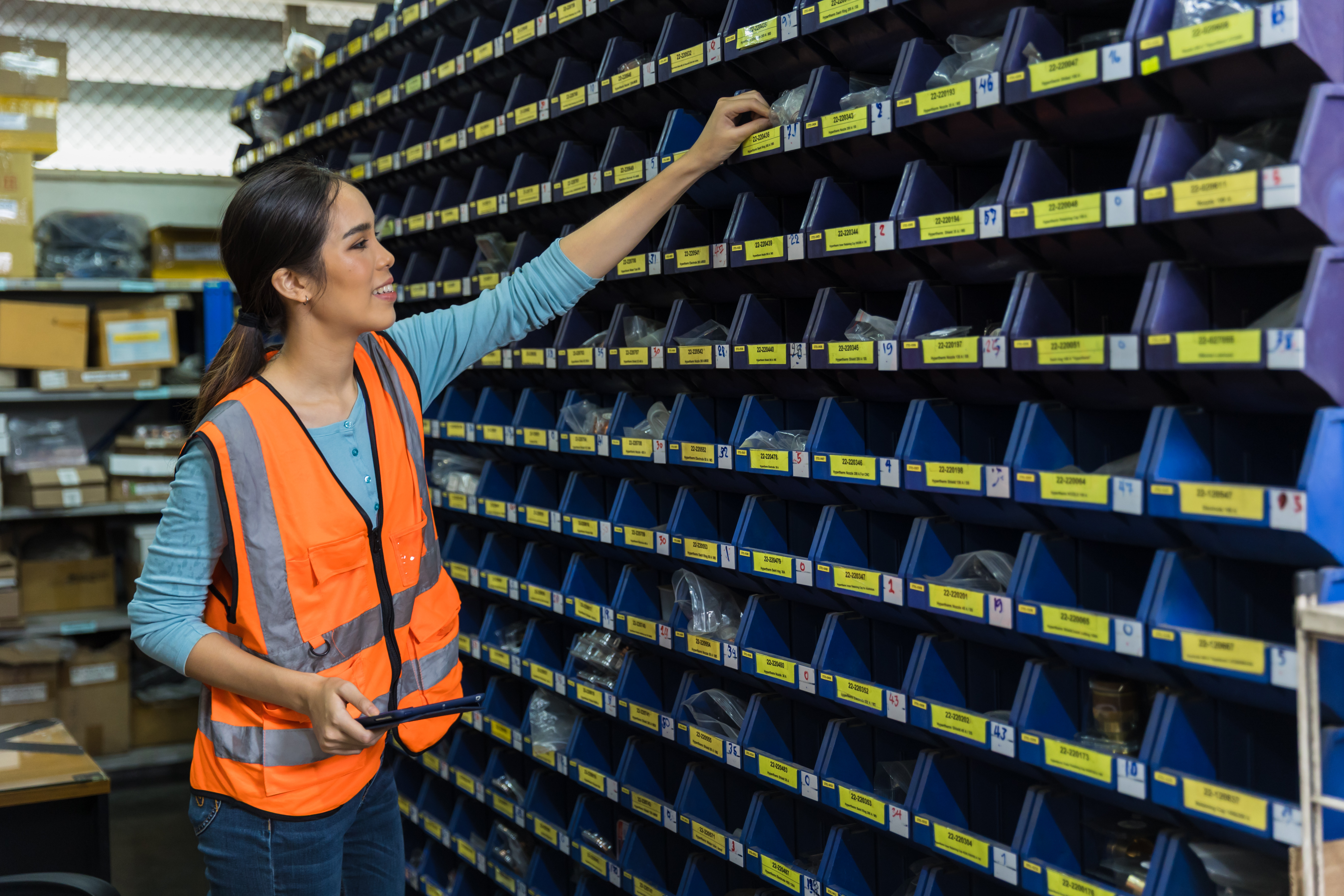
With the transition plan in place, physical implementation can begin. Depending on the size of the facility, implementation may include installing racks, labeling storage locations, organizing bins, and establishing point-of-use inventory throughout the plant. In many cases, existing inventory from a previous supplier is placed into the new system first so it can be consumed before new replenishment begins. That approach helps customers maximize the value of inventory they've already purchased while creating a smooth transition to the new program.

Expect Minimal Disruption to Production
No manufacturer wants to stop building trucks to reorganize inventory. Fortunately, that's not how a well-managed VMI implementation works.
Implementation schedules are coordinated around production whenever possible. Rack assemblies may be prepared off-site before installation, and Austin Hardware assumes responsibility for most of the physical setup. Customer involvement is typically limited to answering occasional process questions or providing material-handling equipment as needed.
The overall timeline depends less on industry and more on the complexity of the operation. Factors such as the number of SKUs, product volume, and point-of-use locations have the greatest influence on implementation time.
The priority remains the same regardless of plant size: implement the new system while keeping production moving with as little disruption as possible.
Implementation Is More Than Moving Inventory
Many manufacturers begin evaluating Vendor Managed Inventory because they want someone else to manage replenishment. What many manufacturers don't expect is how often implementation uncovers opportunities to reduce waste and improve inventory performance.
As Austin Hardware evaluates the storeroom, it's common to uncover excessive inventory, inconsistent stocking levels, or materials that have accumulated far beyond what's actually needed to support production.
Rather than simply transferring parts into new bins, implementation allows Austin Hardware to establish stocking levels that better reflect actual usage. The result is a cleaner storeroom, lower carrying costs, improved visibility, and inventory sized for production rather than habit.
Expect a Partnership, Not Just a Launch
Another common misconception is that implementation marks the end of a VMI project. Austin views this as just the beginning of the partnership. We remain committed to actively working with our VMI customers to continually improve through the rise and fall of demand, whether those shifts are due to production schedule changes, new vehicle program launches, or other unexpected challenges.
To keep inventory aligned with those changes, Austin Hardware conducts regular quarterly business reviews to evaluate stocking levels, identify opportunities for improvement, and recommend additions, removals, or quantity adjustments. Behind the scenes, inventory activity is reviewed continuously to identify unusual usage patterns before they become production problems. If a particular fastener suddenly experiences a dramatic increase in demand, the conversation begins before a stockout occurs.
As Arney explains, successful VMI programs depend on ongoing communication. Regular reviews and proactive conversations enable both teams to respond quickly as production needs evolve, keeping inventory aligned with the customer's business rather than allowing the program to become static.
Expect Results That Extend Beyond Piece Price
One of the biggest discoveries after implementing VMI is that the value isn't measured solely by the price of individual components.
Reducing labor associated with inventory management, lowering carrying costs, improving fill rates, consolidating suppliers, and placing inventory where it's needed all create savings that rarely appear on a purchase order.
As Arney puts it, "It's more than just a total piece price. There's savings there that you're not necessarily seeing just by looking at a spreadsheet. You're allowing a vendor to come in and really be a partner for you."
That's why many manufacturers evaluate VMI as an operational improvement rather than simply another purchasing decision.
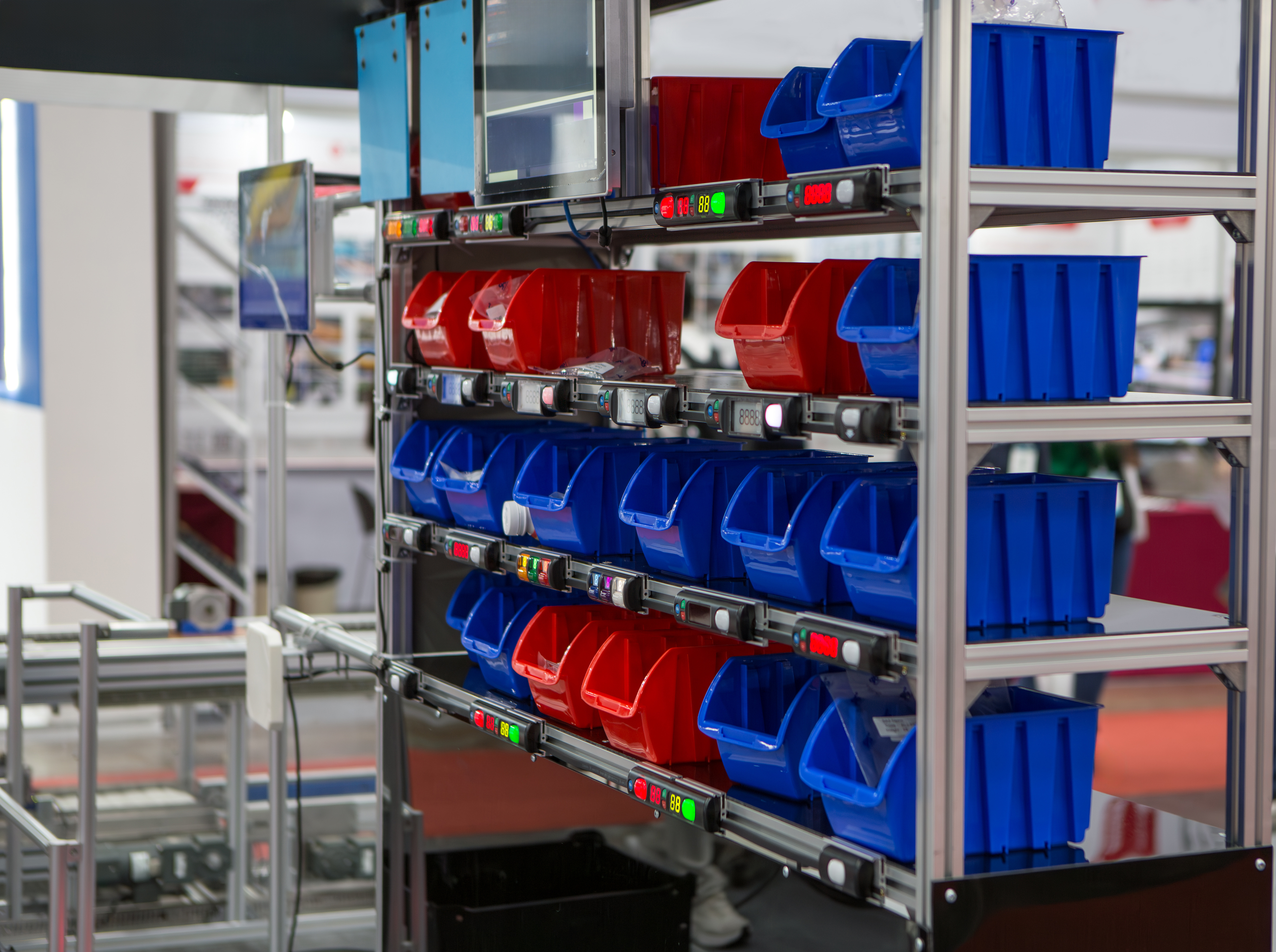
What a Successful Implementation Looks Like
If you're evaluating Vendor Managed Inventory for the first time, it's natural to have questions about implementation.
The process is more collaborative than many manufacturers expect, but it's also less disruptive.
A good VMI partner doesn't arrive with a predetermined system and ask you to adapt to it. Instead, they learn how your operation works, identify opportunities to improve inventory performance, and build a program that supports your production goals.
For work truck OEMs and manufacturers across a wide range of industries, that's what a successful implementation should look like.
How Long Does VMI Implementation Take?
Implementation timelines vary depending on the number of SKUs, facility size, inventory complexity, and the number of point-of-use locations. Rather than following a fixed schedule, Austin Hardware develops an implementation plan based on each manufacturer's operation.
Ready to See What a Customized VMI Program Could Look Like?
Every manufacturing operation has its own challenges, inventory requirements, and production goals. Austin Hardware designs Vendor Managed Inventory programs around those realities, helping manufacturers improve inventory performance while keeping production moving.
Contact Austin Hardware today to learn how a customized VMI solution can support your operation.