

VMI for Truck Hardware: Smarter Supply for OEM Production
Posted by Austin Hardware on May 6th 2026

Keep Your Truck Line Moving with Smarter Inventory Solutions
Building a high-quality truck takes skill, coordination, and attention to detail. But even the best teams can run into slowdowns caused by simple issues like missing parts, too much inventory, or materials not being where they need to be.
That’s where many production challenges really come from, and where there’s a big opportunity to improve.
Taking a more strategic approach to inventory, such as using vendor-managed or customer-managed programs, ensures parts are available and, in many cases, exactly where they need to be when they need to be there. When the right components are in the right place at the right time, production stays on track, teams work more efficiently, and costly delays are easier to avoid.
Fasteners – Small Parts That Can Stop a Line (and Why They’re Ideal for VMI)
Fasteners are easy to overlook until you run out. A missing rivet or structural fastener can bring production to a halt. That’s why many manufacturers use VMI programs to keep high-use fasteners stocked and ready. Inventory levels are based on actual usage, so parts are replenished before they become a problem.
Blind rivets are used throughout the truck in cabins, compartments, doors, and more. Because they’re used so often, they’re a great fit for automatic replenishment programs that prevent shortages.
For areas like frame rails and axles, strength matters. These fasteners need to always be available, and forecasting based on real usage helps ensure they are.
Used in everything from seatbelt systems to structural panels, threaded inserts and clinching fasteners benefit from bin-level inventory management. That means less overstock and a cleaner, more organized production floor.
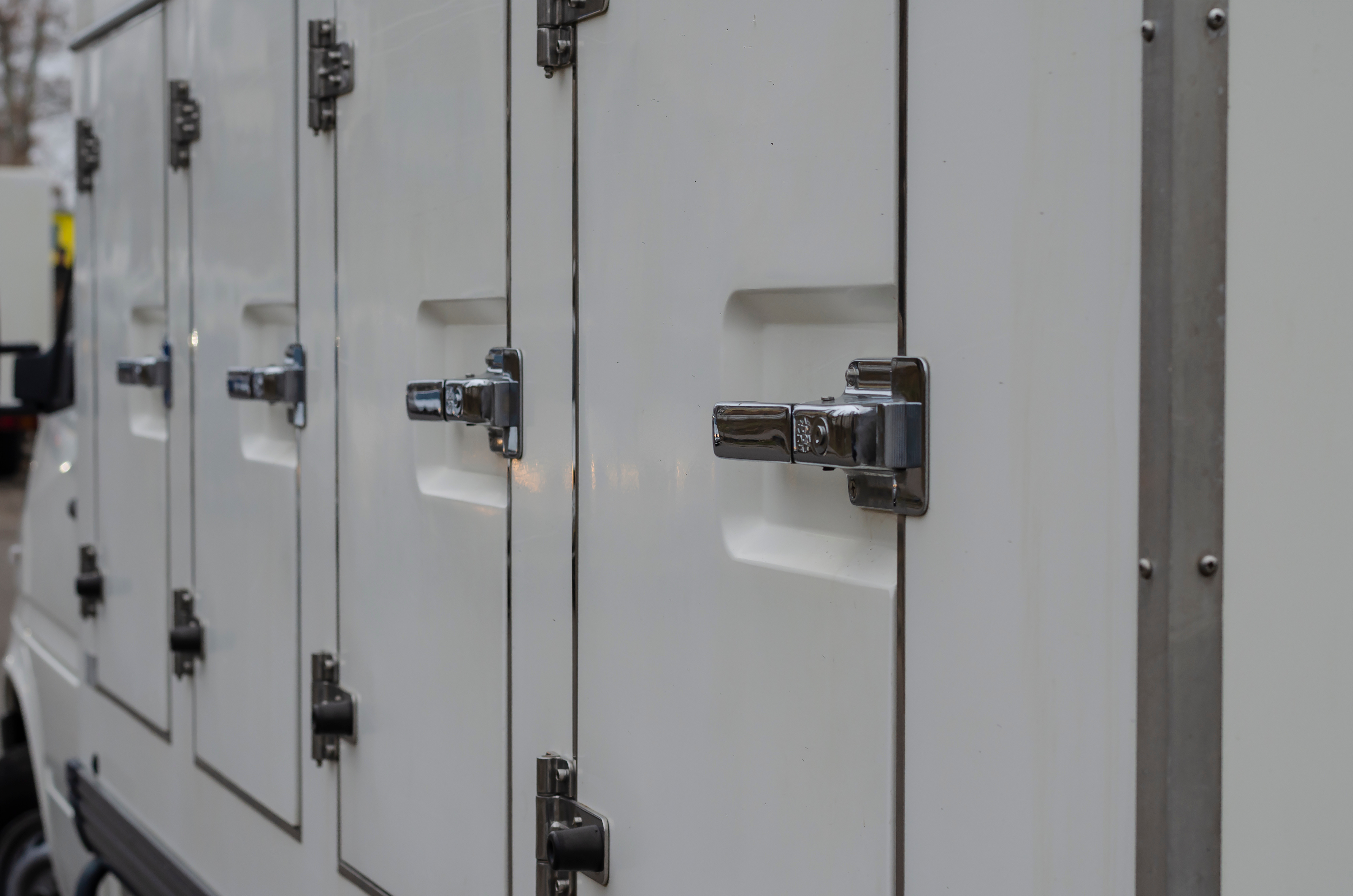
Access Hardware – Keeping Assembly Simple and Efficient
The handles, hinges, and latches an OEM uses can vary depending on the specific truck being built. But in many cases, the same types of access hardware parts are consistently used together. That variation can slow things down if parts aren’t well organized, which is why your approach to inventory along the line can be critical.
Kitting for Manufacturing and Line-Side Inventory
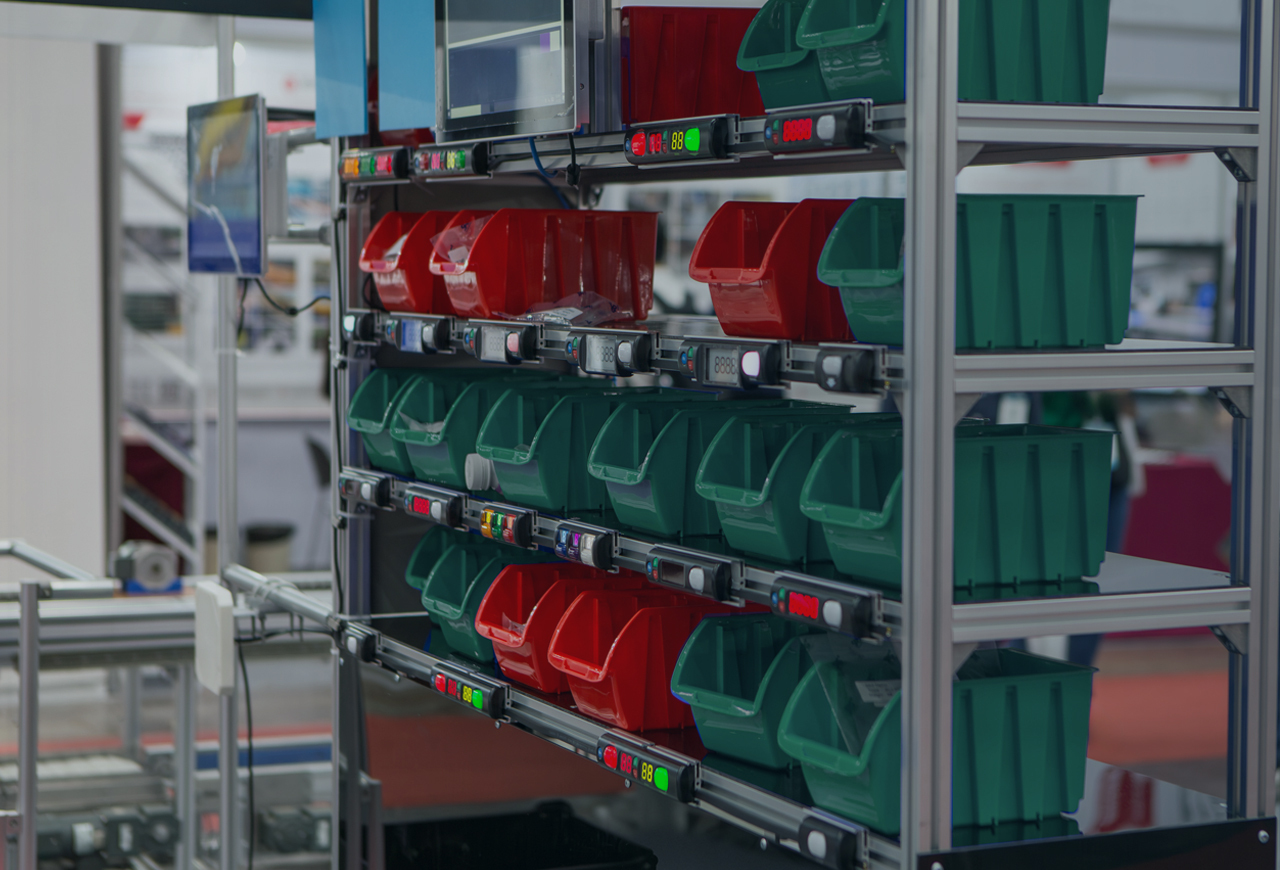
Storing parts where they’re needed along the line is critical to maximize efficiency. Making the right choice between Line-Side delivery, custom kitting, or a hybrid of the two can help improve efficiency.
When there’s great variability of parts, a Line-Side system might be best. But, as mentioned previously, sometimes your line efficiency problems can be solved by kitting the right parts first, then placing them appropriately on the line. When parts are kitted and staged near the point of use, installers spend less time walking and more time building, which improves overall efficiency.
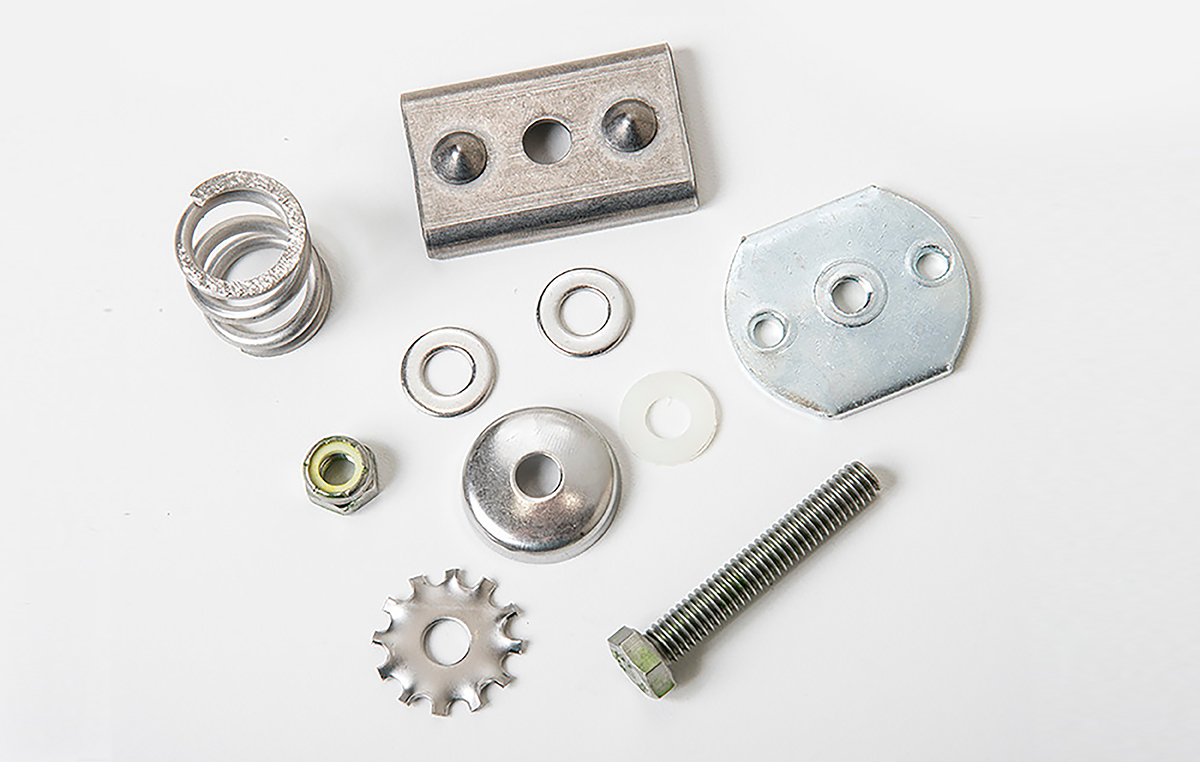
The right approach reduces time spent searching for parts and speeds up installation. Managing latching systems and specialty hardware as grouped assortments can also reduce the number of SKUs and simplify ordering and stocking.
Sealants & Adhesives – Avoid Waste and Shortages
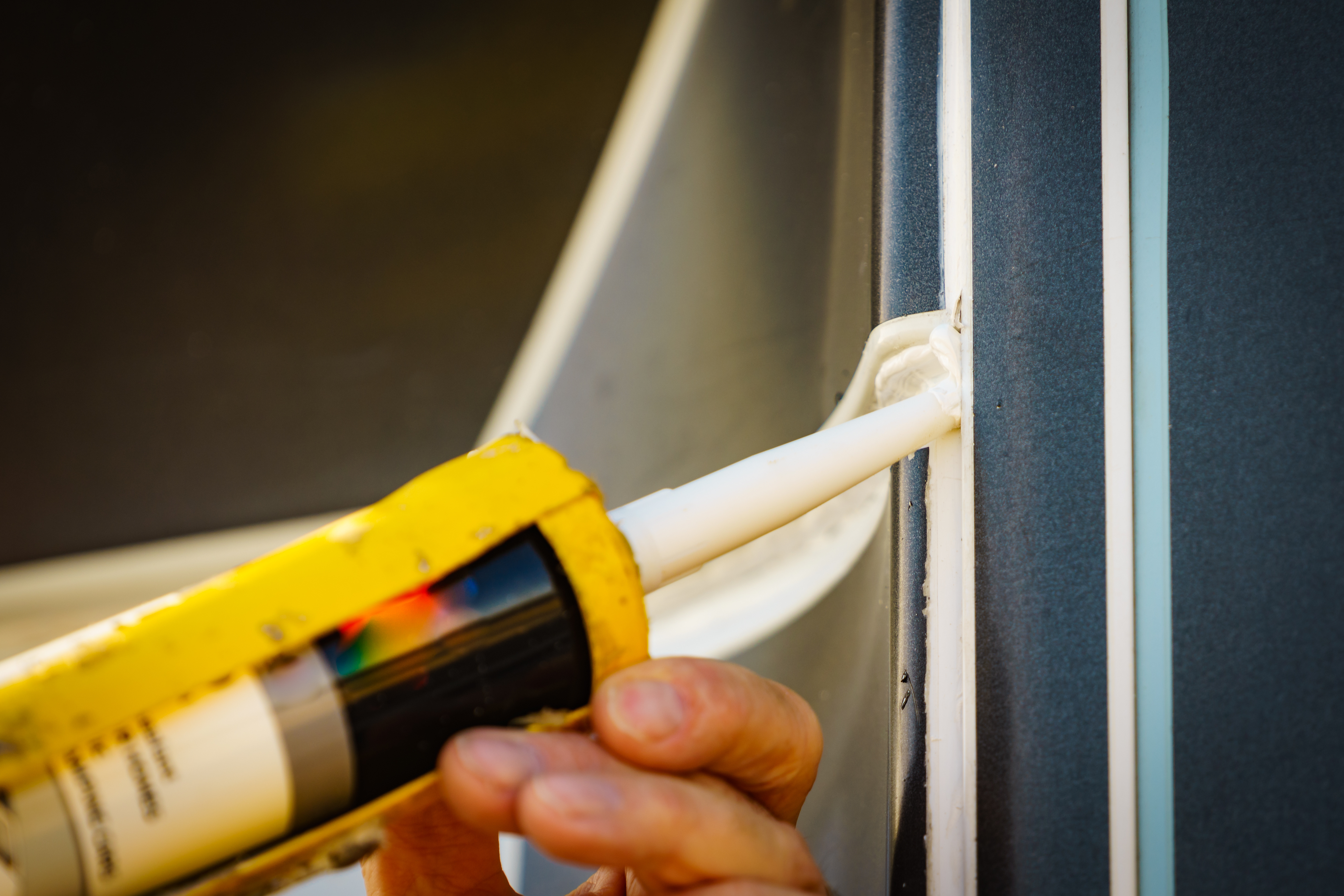
Sealants and adhesives pose an added challenge because they have shelf lives. Overstocking can lead to waste, while understocking can stop production. A well-designed, managed inventory approach helps strike the right balance by aligning supply with actual usage.
That becomes especially important in common applications like panels, cabs, and crossmembers, where structural adhesives need to be available but not left long enough to expire. The same holds for sealants, where consistent usage tracking ensures materials are reordered at the right time without overbuying.
Even in applications like truck beds and cargo areas, where acrylic adhesives are widely used, tighter inventory control helps reduce carrying costs while keeping production moving without interruption.
Cargo Track Systems – Managing Larger Components
Some components, such as E- and A-track systems for cargo management, take up a lot of space. Storing too much can crowd your warehouse, but not having enough can delay a build. For parts like this, a planned delivery schedule helps keep inventory aligned with production without overloading storage.
That’s especially important for heavy-duty rails used in cargo control. They need to be available when needed, but holding excess inventory can quickly consume valuable floor space.
In many cases, efficiency can be improved further by bundling rails with straps and fittings. Delivering these components as ready-to-use kits reduces handling on the floor, streamlines installation, and keeps inventory levels in check.
Simplify Supply with VMI to Reduce Downtime and Improve Efficiency
Managing multiple suppliers for different parts adds complexity. The more suppliers involved, the more purchase orders, coordination, and follow-up are required, each of which creates another opportunity for delays or misalignment.
That’s why many manufacturers look for ways to consolidate sourcing across product categories. A vendor-managed inventory (VMI) system can bring items such as gas springs, drawer slides, lighting, ventilation components, and cargo control under a more unified supply approach, helping reduce variability and create a more consistent flow of materials.
This is where a structured VMI approach starts to show its full impact.
At that point, the focus shifts from simply having parts available to improving how those parts move through the operation. A well-structured inventory program supports this by reducing downtime, improving production flow, lowering excess inventory, and simplifying purchasing—while keeping teams focused on building rather than searching for parts.
With fewer moving pieces on the supply side, it becomes easier to keep production running smoothly. There’s less time spent managing vendors and more visibility into what’s coming in, what’s being used, and what needs to be replenished.
When inventory is managed the right way, everything else gets easier. Production stays on schedule, teams stay productive, and problems are caught before they turn into delays.
If your operation is experiencing stockouts, overstock, or floor inefficiencies, it may be time to take a closer look at how inventory is managed and where improvements can be made. If you’d like to take a closer look at your current setup, our team is always available to help. Contact Austin Hardware today to speak with a vendor-managed inventory specialist, explore a kitting solution, and learn how a VMI program can help optimize your production line.