
The Components That Keep Manufacturing Moving
Posted by Austin Hardware on Sep 30th 2026
The Components That Keep Manufacturing Moving
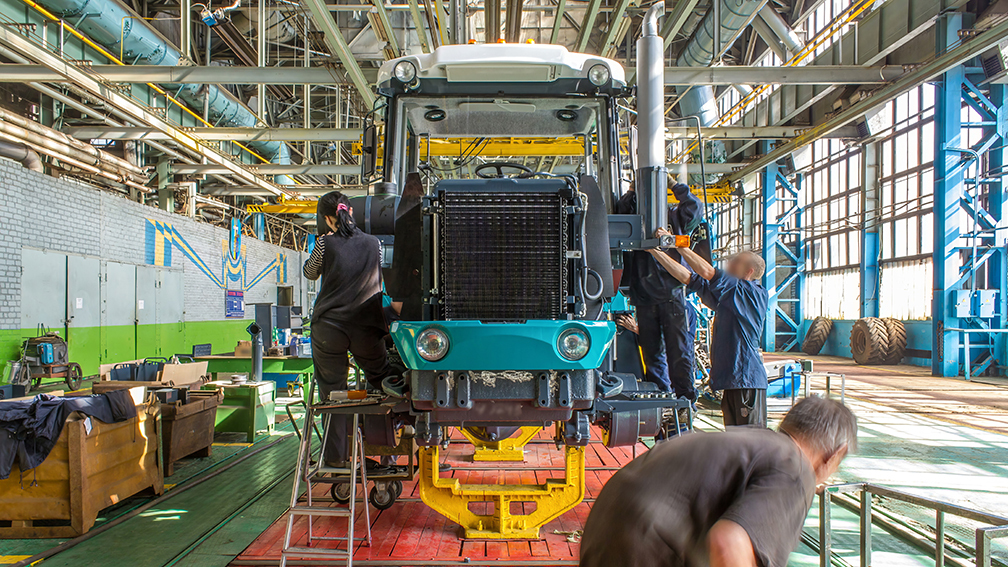
Manufacturing is often defined by the big things: production lines, heavy machinery, advanced automation, and the finished products that leave the facility. But every truck, trailer, machine, and industrial product is ultimately an assembly of individual components, each with a specific job to do.
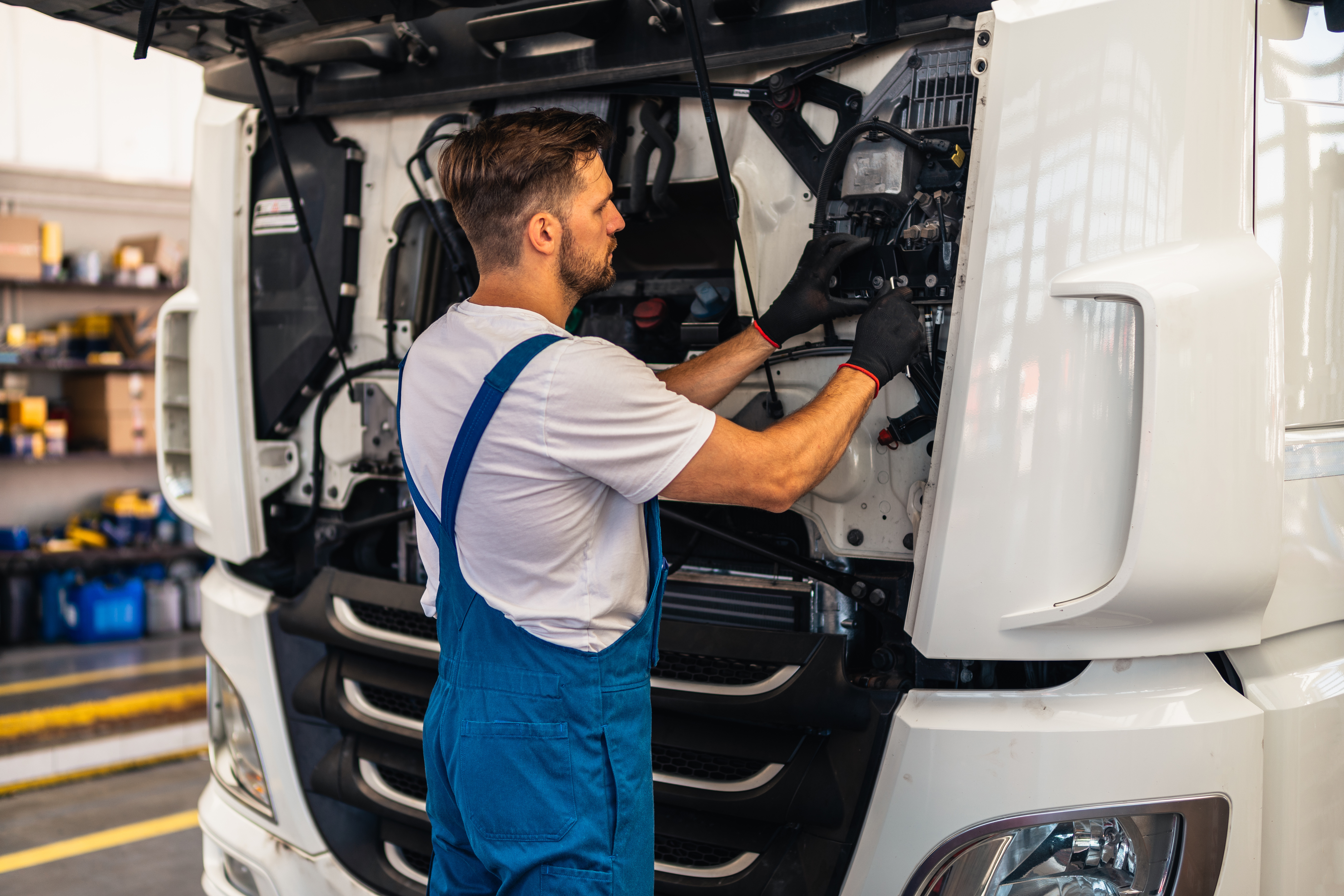
Fasteners hold assemblies together. Hinges allow movement. Latches secure doors and access points. Seals protect against the elements. Gas springs assist with lifting and positioning. Specialty hardware helps manufacturers address application-specific requirements.
A component may account for only one part of a finished product, but its performance can affect everything around it.
During National Manufacturing Month, it is worth taking a closer look at the components, decisions, and supply chains that help keep production moving.
Components That Make a Difference
For industrial OEMs, manufacturing components can influence how efficiently a product is assembled, how it performs in the field, and how easily it can be serviced throughout its life.
A fastener may determine how an assembly comes together. A latch can affect security and operator experience. A hinge can influence durability and ease of use. A seal can help protect an enclosure or compartment from moisture, dust, and other environmental conditions.
These aren't isolated considerations. Hardware choices made for one part of an assembly can affect the way the product is built, operated, maintained, and ultimately experienced by the customer.
Choosing hardware with the application in mind can enhance production efficiency, support product reliability, and improve long-term serviceability. Component selection is therefore part of the manufacturing process itself, not simply a purchasing decision made along the way.
Availability Is Part of the Equation
Selecting the right component is only part of the challenge. Manufacturers also need to ensure that those components are available when production needs them.
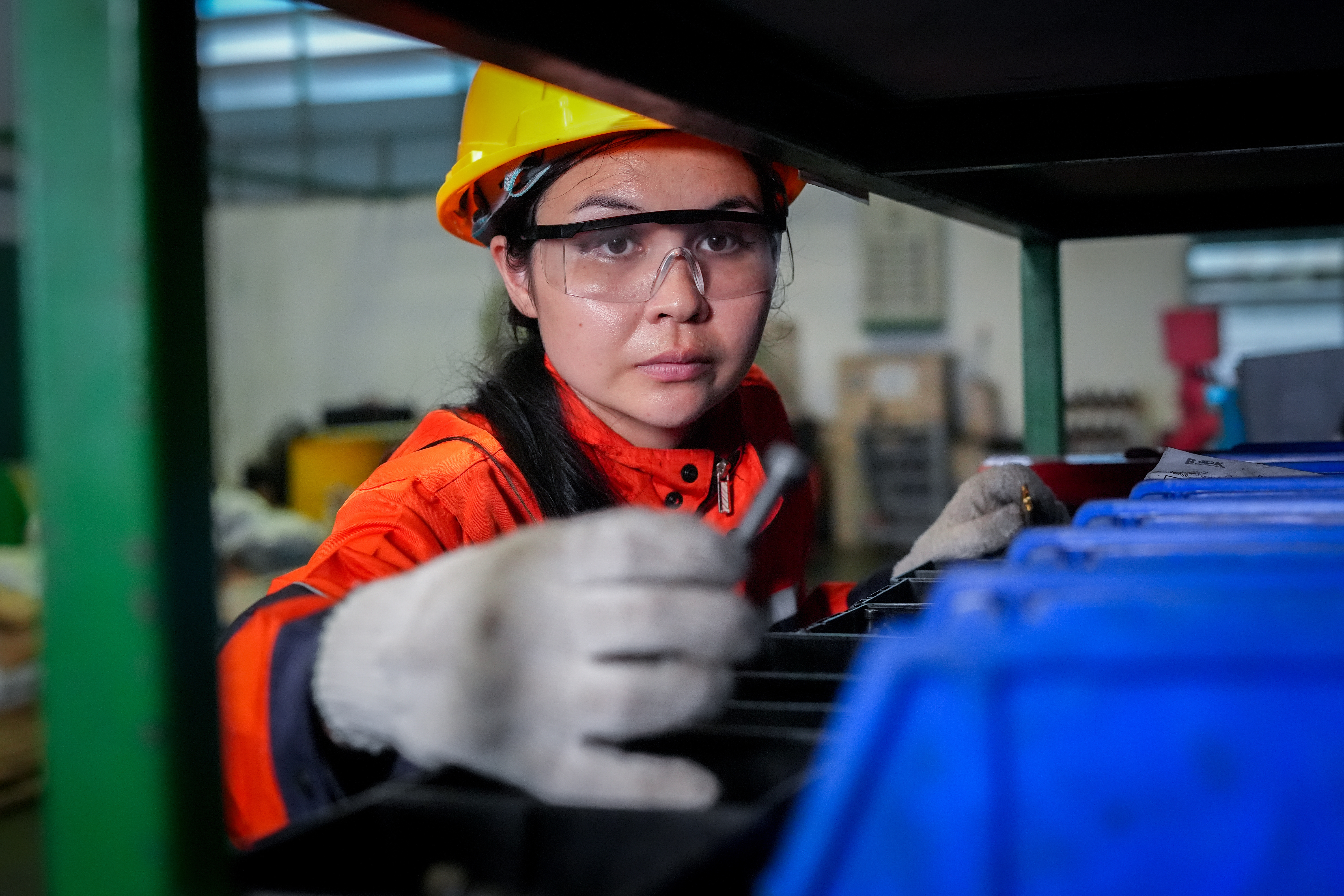
A manufacturing operation can have an efficient production process, skilled employees, and well-planned schedules, yet still face an interruption when a critical industrial component is unavailable. A missing latch, seal, fastener, or other component can hold up an assembly just as effectively as a much larger one.
That makes the manufacturing supply chain an extension of the production process itself.
Effective inventory management doesn't mean stocking an overabundance of parts. It means understanding what is needed, when it is needed, and how consistently it can be supplied. That becomes especially important for hard-to-find components, specialty hardware, and components used in multiple end products.
Programs such as Vendor Managed Inventory (VMI) and Customer Managed Inventory (CMI) can provide a structured approach to replenishment and availability. By establishing a more predictable process for maintaining inventory, these programs can help manufacturers keep the components they need on hand without placing the entire responsibility for replenishment on production teams.
The goal is a supply process that supports production rather than hindering it.
The Right Hardware Starts with the Application
The first component that fits is not necessarily the right component for the job.
Engineers and manufacturing teams may need to consider load requirements, vibration, environmental exposure, installation methods, available space, service requirements, and production volume before selecting hardware. A part that performs well in one application may create problems in another.
Those decisions don't just affect product performance. A component that requires additional modification or complicated installation can add steps to an assembly process. If it is difficult to service, it can create challenges later in the product's life and ultimately affect how customers perceive the product's quality. When practical, standardizing components across product lines can also simplify purchasing, inventory, and production.
That's why conversations about industrial manufacturing components should often begin well before production.
Engineering, purchasing, and manufacturing teams benefit from considering hardware as part of the overall application rather than as an isolated line item. Decisions made during design can influence sourcing, assembly, maintenance, and field performance long after the product leaves the factory.
When the Application Calls for Something Different
Standard hardware remains the right choice for many applications. Its availability and proven track record can make it an efficient way to meet a defined requirement.
Some applications, however, present challenges that an off-the-shelf component cannot fully address.
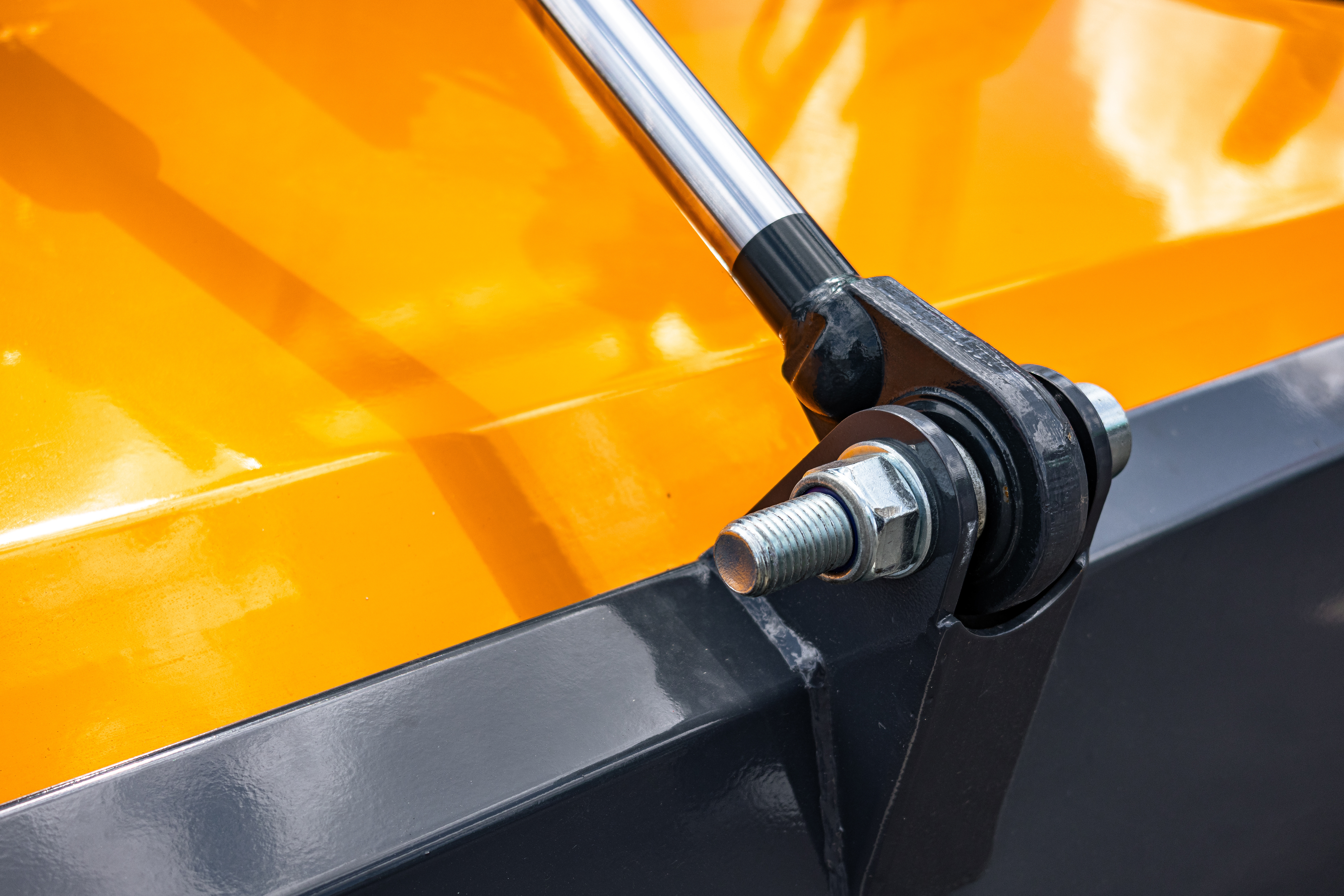
Space limitations, unusual loads, installation requirements, or production processes may call for a modified component, custom configuration, or application-specific solution. In other cases, developing a new component may provide a better answer.
This is where an experienced industrial hardware supplier can contribute by doing more than simply filling an order.
Working with the right supplier early in the design process can help engineers identify sourcing, installation, and manufacturing challenges before they become production problems. That collaboration can also create opportunities to simplify assemblies, improve usability, and develop a more practical solution for a specific application.
The goal is to recognize when standard hardware is the right answer and when pursuing an engineered solution makes more sense.
Keeping the Manufacturing Chain Connected
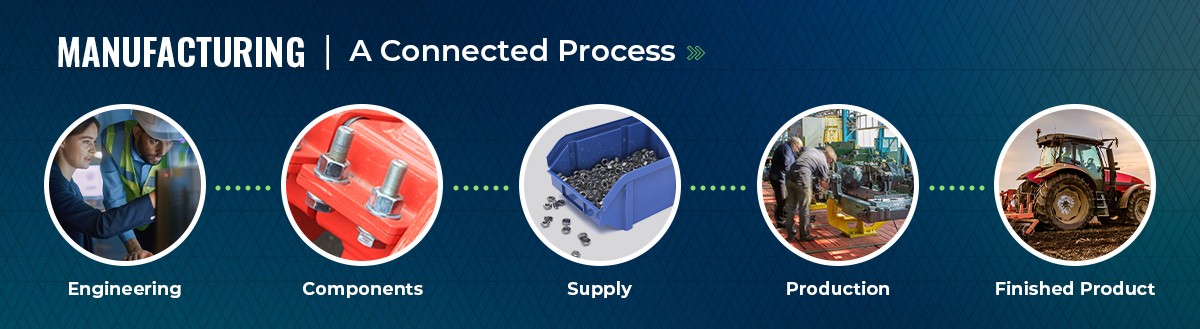
Manufacturing is a connected process.
Engineering → Components → Supply → Production → Finished Product
Every stage depends on the others. Engineering decisions influence component selection, which affects sourcing and inventory. A dependable supply chain sustains production schedules, while efficient manufacturing ultimately determines what is delivered to the customer.
That connection matters most for industrial OEMs managing thousands of components across complex products and production environments. A decision made during design can affect purchasing. A purchasing decision can affect inventory. An inventory issue can affect production. And a production issue can ultimately affect the customer.
Austin Hardware supports that connected process through specialty OEM hardware, engineering expertise, and manufacturing supply chain solutions. With thousands of products in stock across our North American distribution network, Austin gives manufacturers access to the components they need, plus VMI and CMI programs for qualifying customers.
When a standard component meets the application, Austin can help manufacturers source and manage it. When an application calls for something different, Austin Engineering can help develop a solution.
In both cases, the focus is the same: helping manufacturers select, source, and manage the components that keep their products moving from design to production and into the field.
Recognizing What Keeps Manufacturing Moving
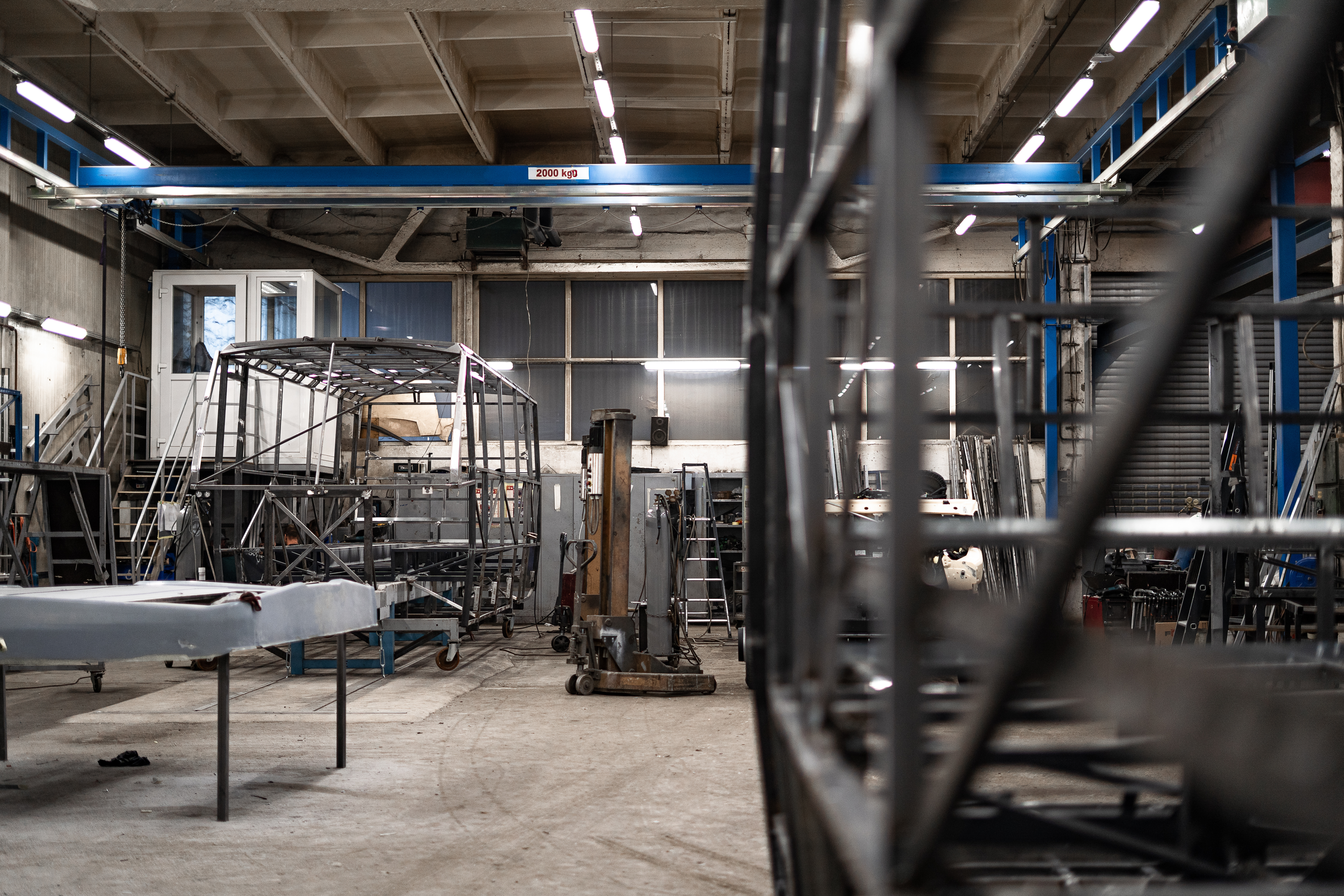
Manufacturing is built on large-scale innovation, sophisticated equipment, and skilled people. It also relies on thousands of individual decisions and components that must work together every day.
The importance of a component is measured by the role it plays, not its physical size.
This National Manufacturing Month, Austin Hardware recognizes the engineers, buyers, production teams, and suppliers working together to keep manufacturing moving. Every component selected, every inventory decision made, and every production challenge solved contributes to the finished product.
For industrial OEMs looking for an experienced partner for manufacturing components, specialty hardware, engineered solutions, or inventory support, Austin Hardware is ready to help.