
Reducing Noise and Vibration in HVAC Enclosures | Engineering Quieter Equipment
Posted by Austin Hardware on Jul 6th 2026
Reducing Noise and Vibration in HVAC Enclosures
Modern HVAC equipment is expected to do more than deliver reliable climate control—it must also operate quietly and reliably throughout years of service. Whether installed on commercial rooftops, industrial facilities, generators, specialty vehicles, or mobile equipment, today's HVAC systems are increasingly evaluated on factors other than strict performance. Noise levels, perceived quality, maintenance requirements, and long-term durability all influence customer satisfaction and overall equipment value.
Excessive vibration is often the root cause of these challenges. Left unchecked, it can create objectionable noise, loosen hardware, accelerate component wear, fatigue welded joints, and shorten the service life of an enclosure. While many designers focus on solving isolated problems after they appear, the most effective approach begins much earlier by engineering vibration control into the enclosure itself.
Reducing noise isn't typically accomplished with a single component. Instead, successful enclosure designs combine vibration isolation, structural reinforcement, secure fastening, effective sealing, and thoughtfully selected hardware that work together as an integrated system. Understanding how these elements interact helps engineers create quieter, longer-lasting equipment while reducing maintenance and warranty concerns.
Understanding Noise Sources—and Stopping Vibration Before It Spreads
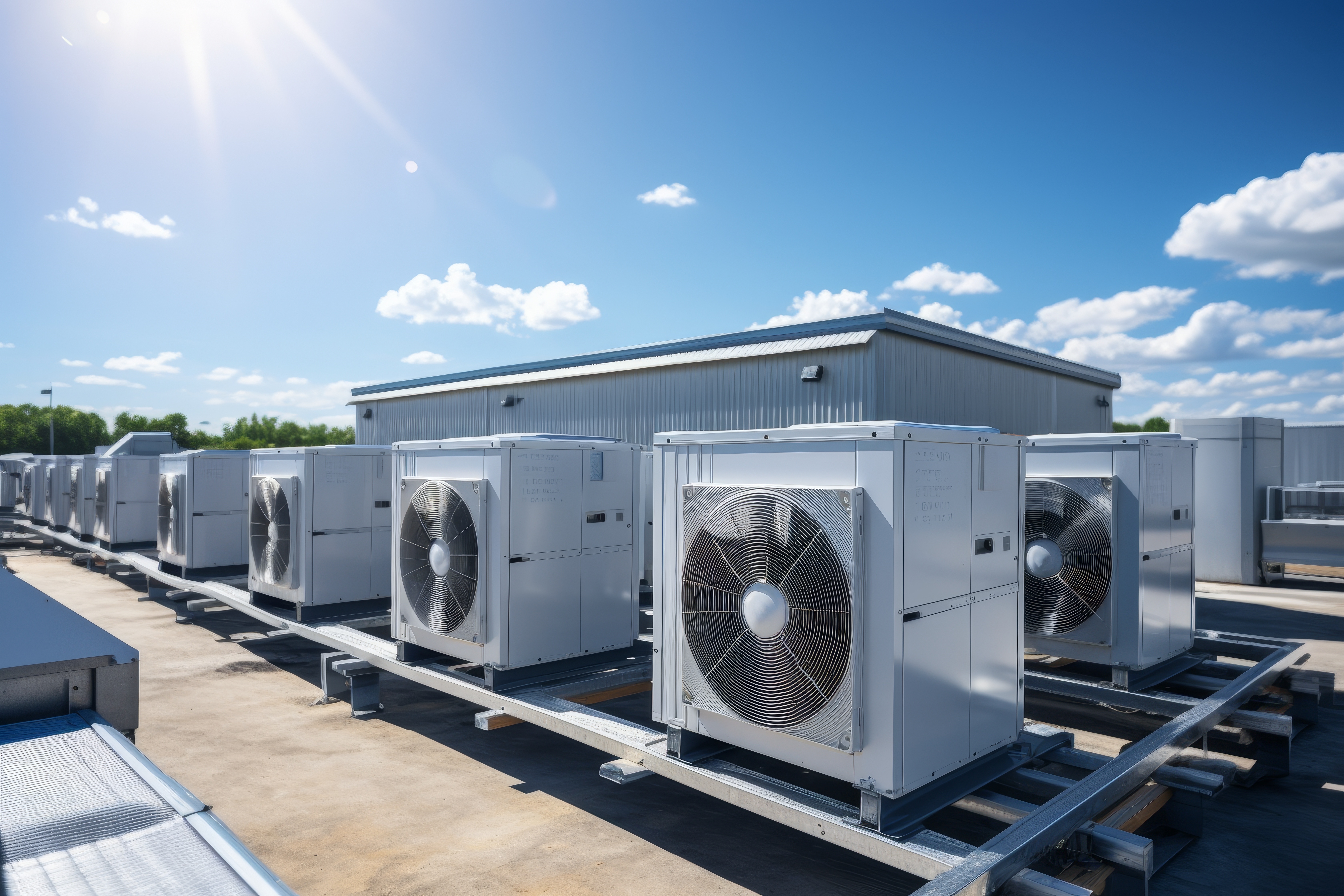
Nearly every HVAC enclosure contains components that generate vibration during normal operation. Compressors, blower motors, fans, pumps, and other rotating equipment all introduce dynamic forces into the surrounding structure. While these forces may seem relatively small, they can quickly travel through mounting points, enclosure frames, sheet metal panels, and fastening systems if they are not properly controlled.
Much of the noise people associate with HVAC equipment actually begins as mechanical vibration. As vibration passes through an enclosure, large metal panels can act much like a speaker's diaphragm, converting mechanical energy into audible sound. Once vibration spreads throughout the enclosure, eliminating noise becomes significantly more difficult. Even components that do not generate vibration themselves can become secondary sources of noise as energy transfers through the enclosure.
For this reason, engineers often focus on interrupting vibration as close to the source as possible. Properly selected isolation mounts, elastomeric bushings, rubber vibration-damping feet, and similar components absorb and dissipate energy before it enters the enclosure structure. The effectiveness of these components depends on matching them to the equipment's operating weight, vibration frequency, expected loads, and environmental conditions.
Effective isolation delivers benefits that extend well beyond quieter operation. By reducing transmitted vibration, engineers can minimize stress on welded joints, prevent fasteners from loosening, reduce metal fatigue, and improve overall equipment longevity. Addressing vibration early establishes a strong foundation for every other noise-control strategy that follows.
Reducing Panel Resonance with Damping Materials and Structural Reinforcement
Even when vibration has been reduced at its source, enclosure panels themselves can contribute significantly to overall noise levels. Large, relatively thin sheet metal surfaces naturally resonate when exposed to vibration, amplifying sounds that might otherwise remain barely noticeable.
Understanding where resonance occurs allows engineers to make targeted improvements rather than applying unnecessary materials throughout an enclosure. Testing, computer modeling, or previous design experience often helps identify areas where vibration energy is concentrated.
Adhesive-backed damping materials, such as the SikaDamp 630, provide one effective solution by converting vibration energy into small amounts of heat before it can produce audible noise. Many products utilize constrained-layer damping principles, allowing vibration to dissipate within the material itself rather than excite the surrounding metal panel.
Structural reinforcement provides another important layer of vibration control. Reinforcement ribs, panel stiffeners, additional bracing, and strategically placed structural members increase panel rigidity, making it more difficult for surfaces to resonate. Rather than relying solely on heavier materials, engineers can often achieve excellent results through thoughtful reinforcement combined with targeted damping.
These techniques complement vibration isolation rather than replace it. Limiting vibration transmission while simultaneously reducing panel resonance creates a quieter enclosure than either approach could achieve independently.
Selecting Fasteners That Resist Loosening and Eliminate Rattles
Fasteners are sometimes viewed as simple assembly components, yet they play a critical role in maintaining long-term enclosure performance. Even minor movement between panels can create buzzing, rattling, or squeaking that becomes increasingly noticeable over time.
Repeated vibration gradually reduces clamp loads when conventional fasteners are not designed for dynamic environments. As hardware loosens, panel movement increases, creating additional vibration and accelerating wear throughout the enclosure.
Engineers frequently address these challenges by selecting locking fasteners, prevailing-torque hardware, lock washers, or appropriate thread-locking methods to help maintain secure joints despite continuous vibration. Compression latches further improve performance by maintaining consistent pressure across access doors and removable panels, minimizing movement while preserving gasket compression.
For equipment requiring regular maintenance, captive fasteners simplify servicing while helping ensure that hardware remains properly installed after repeated access. Quarter-turn fasteners provide another practical solution for equipment requiring frequent access for service.
Equally important are proper installation practices. Correct torque specifications, consistent assembly procedures, and routine inspection all contribute to long-term enclosure integrity and help preserve the vibration-control measures built into the original design.
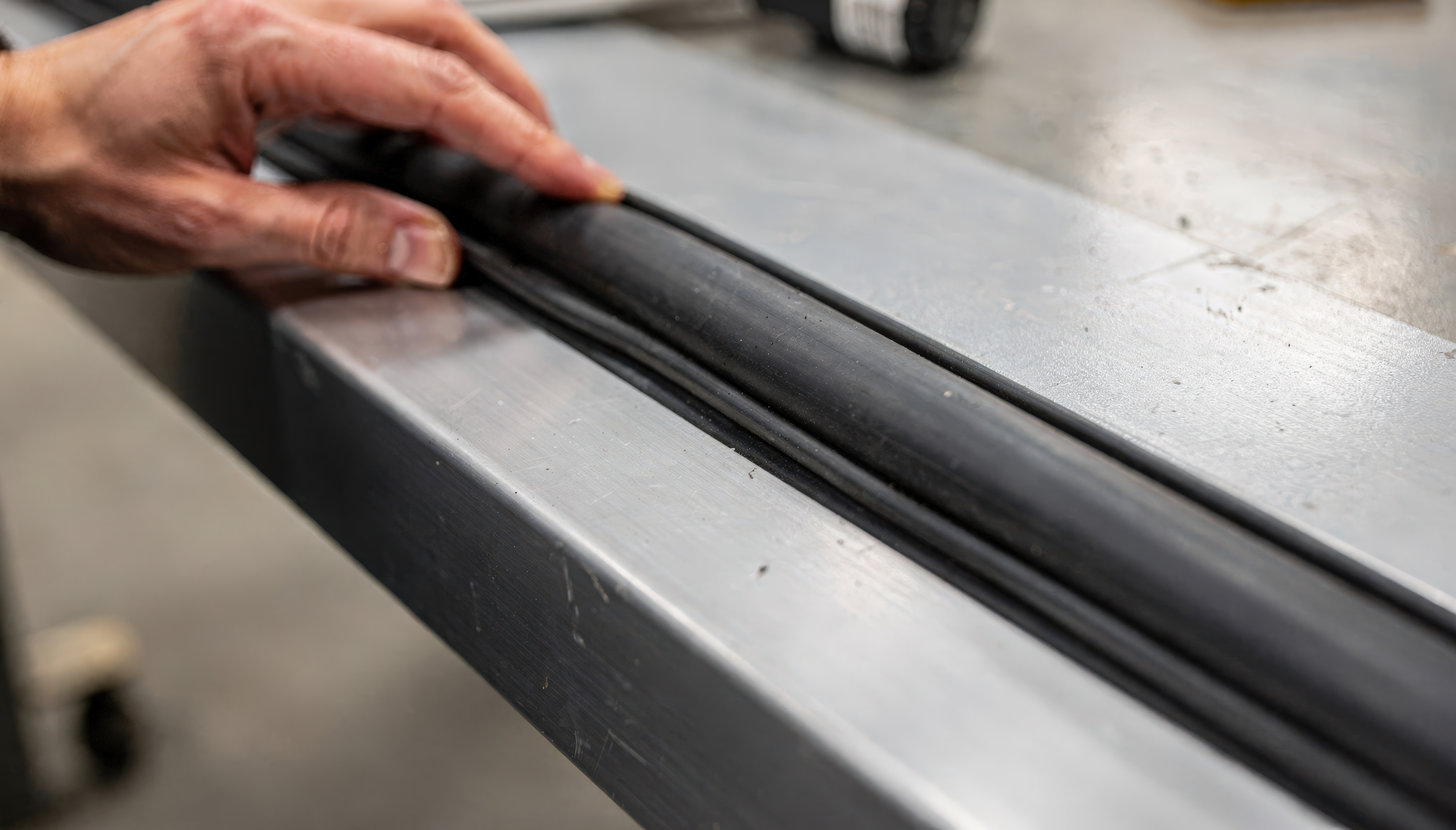
Using Weatherstripping and Gasketing to Reduce Noise and Air Leakage
Sealing systems are often selected primarily to prevent dust, moisture, or air infiltration, but they also make meaningful contributions to vibration control and acoustic performance.
When enclosure doors or removable panels contact bare metal surfaces, even small amounts of vibration can produce noticeable buzzing or rattling. Properly designed weatherstripping and gasketing interrupt these contact points, reducing vibration transmission while helping create a tighter acoustic barrier.
Effective seals also reduce airborne sound leakage by limiting the paths through which noise can escape. While they may not eliminate mechanical vibration on their own, they support broader noise-reduction efforts by containing sound within the enclosure.
Material selection plays an important role in long-term performance. Engineers should consider compression set characteristics, operating temperatures, UV exposure, chemical resistance, and expected service life when choosing sealing materials. Equally important is ensuring that latches provide sufficient and consistent compression for the selected gasket design. An otherwise well-designed seal cannot perform effectively if compression varies across the enclosure.
By coordinating latch selection with weatherstripping and gasket performance, engineers create sealing systems that improve both environmental protection and acoustic performance throughout the equipment's service life.
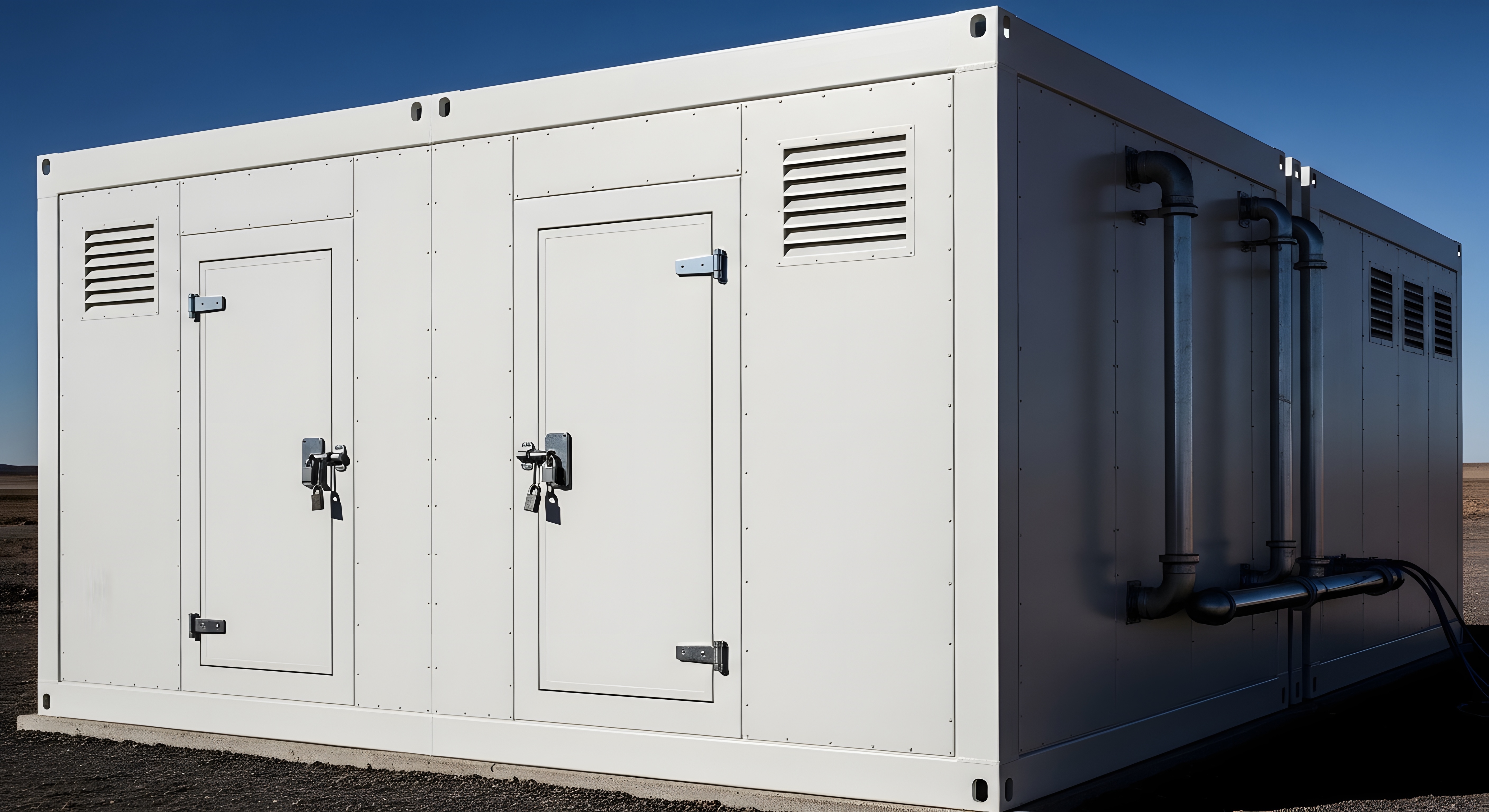
Engineering Quieter HVAC Enclosures Through Integrated Design
Reducing noise and vibration is rarely the result of a single product or design decision. Instead, successful HVAC enclosures are built around a comprehensive engineering strategy that addresses vibration throughout its entire path, from the equipment that generates it to the enclosure surfaces that can amplify it.
Source isolation limits vibration before it enters the structure. Structural reinforcement and damping materials reduce panel resonance. Secure fastening systems maintain enclosure integrity despite years of operation, while properly selected weatherstripping and gasketing help prevent vibration-induced rattles and reduce airborne sound transmission.
Together, these solutions produce benefits that extend well beyond quieter equipment. Engineers can improve occupant comfort, extend equipment life, reduce maintenance requirements, minimize warranty claims, and enhance the overall perception of product quality. In many applications, these improvements also contribute to lower lifecycle costs and greater long-term reliability.
Designing effective HVAC enclosures requires considering how each component functions within the larger system rather than evaluating each product in isolation. By taking this integrated approach, OEMs can develop equipment that performs more reliably while meeting growing expectations for durability, serviceability, and quiet operation.
Because enclosure performance depends on how these components work together, Austin Hardware supports manufacturers with a broad portfolio of enclosure hardware, vibration-isolation components, fasteners, latching solutions, weatherstripping, and other complementary enclosure solutions. Whether developing a new design or refining an existing platform, our team can help identify practical solutions that support quieter, more durable HVAC enclosures.