
Preparing Landscape Equipment for Fall & Winter Work
Posted by Austin Hardware on Oct 5th 2026
Preparing Landscape Equipment for Fall & Winter Work
The demands of landscape work begin to change as summer comes to a close. Crews that spent much of the warmer months mowing and maintaining properties may soon spend more time on cleanup, tree work, and hauling. As temperatures continue to drop, attention turns to preparing equipment for winter operations.
That makes fall more than a transition between seasons. It is an opportunity to prepare the trucks, trailers, and equipment that will support the work through the months ahead.
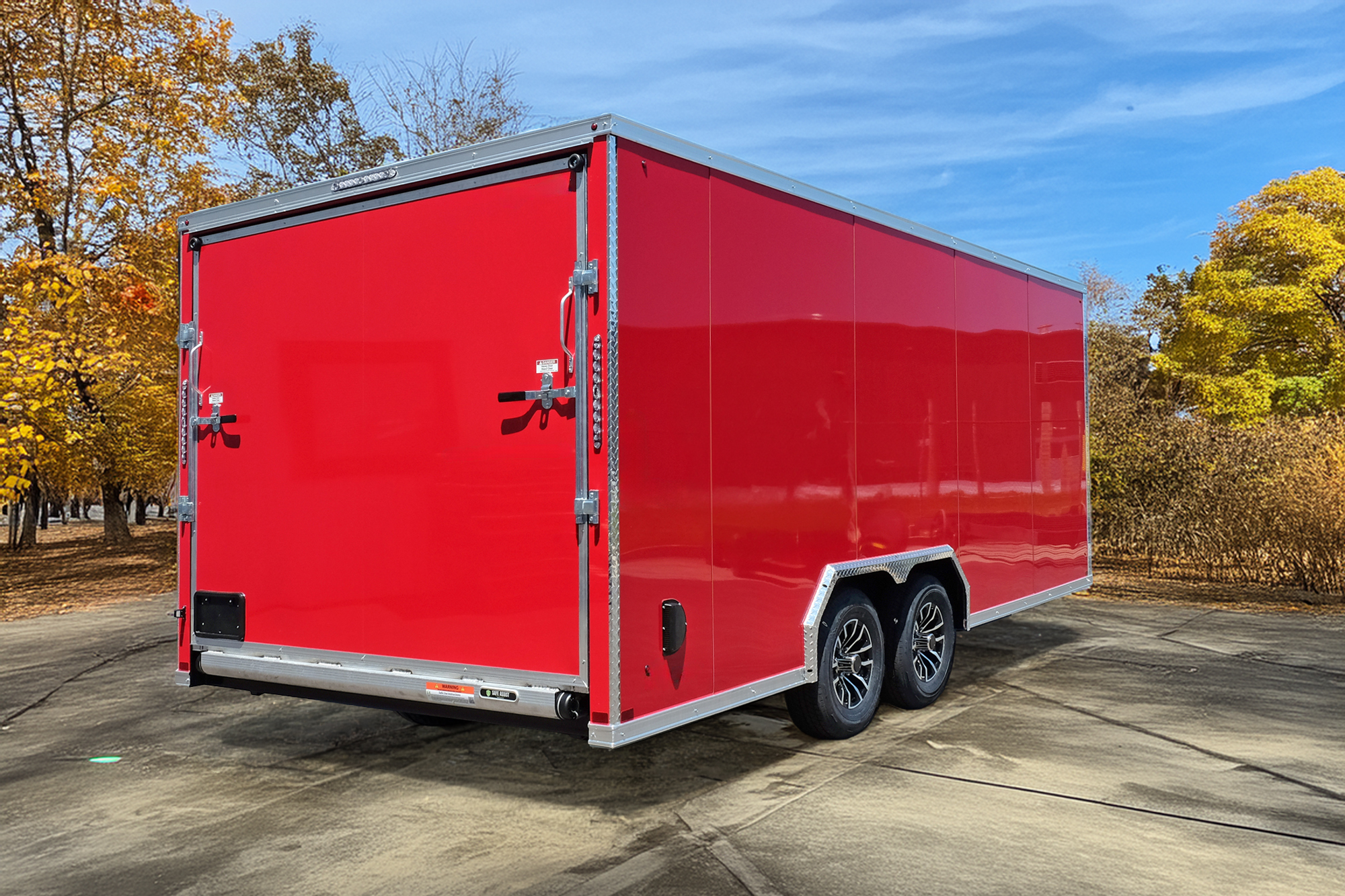
For landscape contractors, that preparation can be especially important when trucks, trailers, and equipment are used heavily throughout the season. A trailer ramp that is difficult to operate or hardware that has developed wear may become a bigger problem when crews are relying on that equipment day after day.
Fall Changes How Landscape Equipment Is Used
The equipment may stay the same, but how crews use it can change considerably.
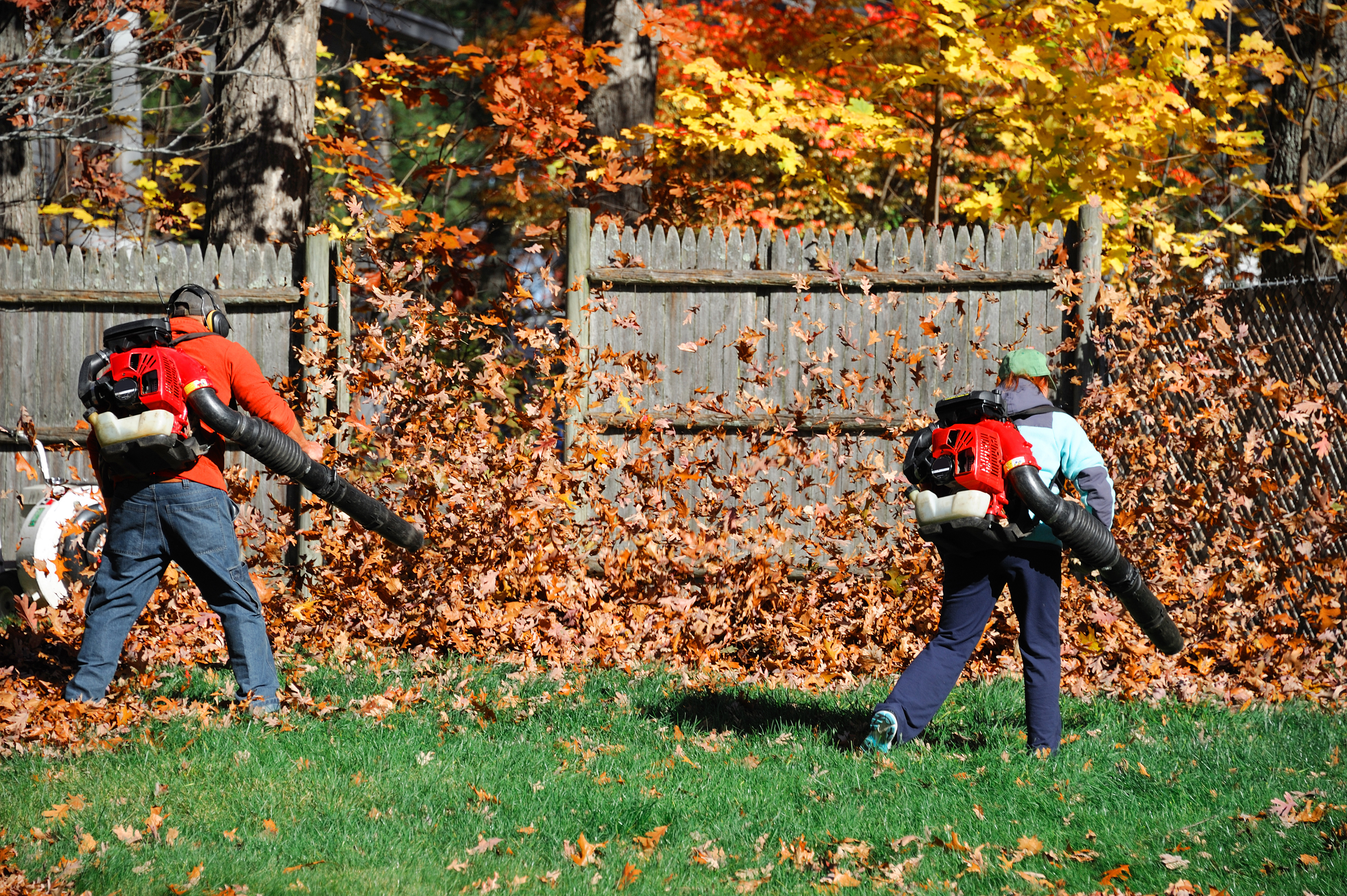
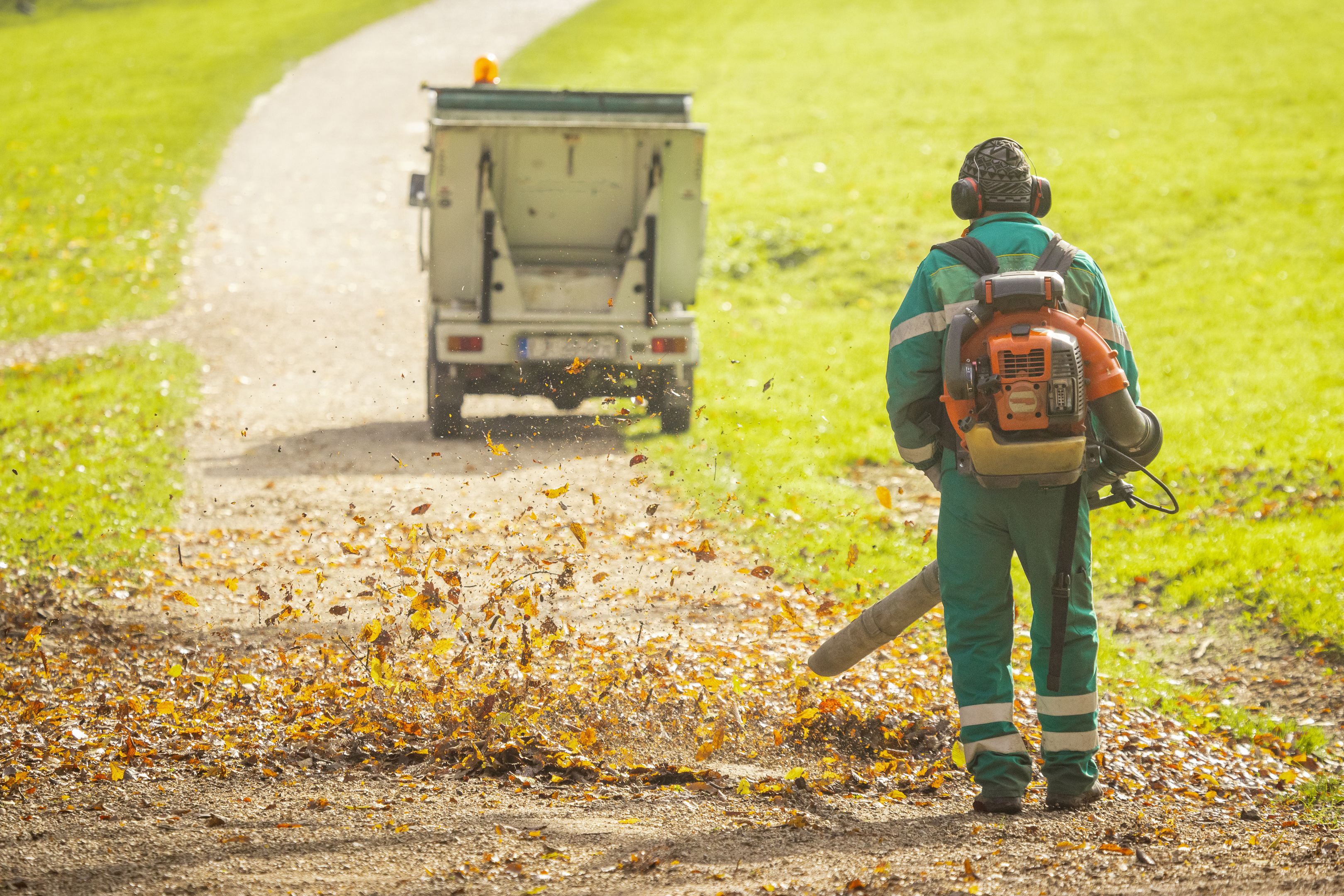
Fall cleanup often means moving more debris and heavier materials than crews encounter during routine maintenance. Tree work can bring additional equipment into the mix, along with brush, logs, and other materials that need to be hauled away. Storm cleanup can create another round of demanding jobs with little notice.
At the same time, contractors are looking ahead. Equipment needed for snow and ice management may need inspection, service, or repositioning before winter arrives.
The common thread is increased reliance on the trucks and trailers that move equipment between the shop, jobsite, and storage. Fall is a good time to make sure those vehicles and the components they depend on can handle the change.
Take a Closer Look at Trucks, Trailers and Hardware
A seasonal equipment check does not have to mean taking everything apart. Start with the components crews use most often and the equipment that will see the greatest change in workload.
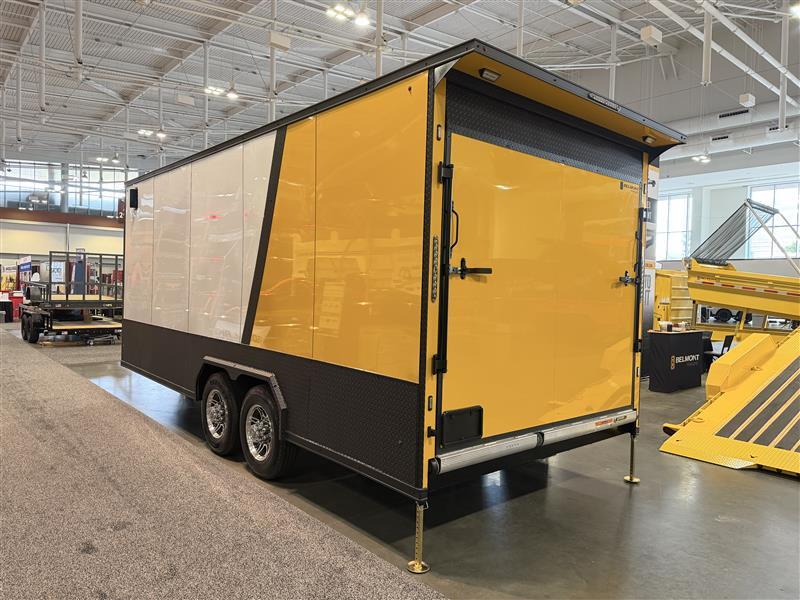
Trailers and loading ramps deserve particular attention. So do truck compartments, storage systems, access doors, and the hardware that keeps them operating properly. Look for visible wear, damage, loose mounting points, or changes in how a component operates.
Watch for anything that takes more effort than it once did. A door that has become difficult to open or a ramp that no longer operates smoothly may not seem urgent during a slower period. That same issue can become more disruptive when crews are working through a busy cleanup schedule or preparing equipment for winter.
Addressing those problems now can help prevent them from becoming disruptions later in the season.
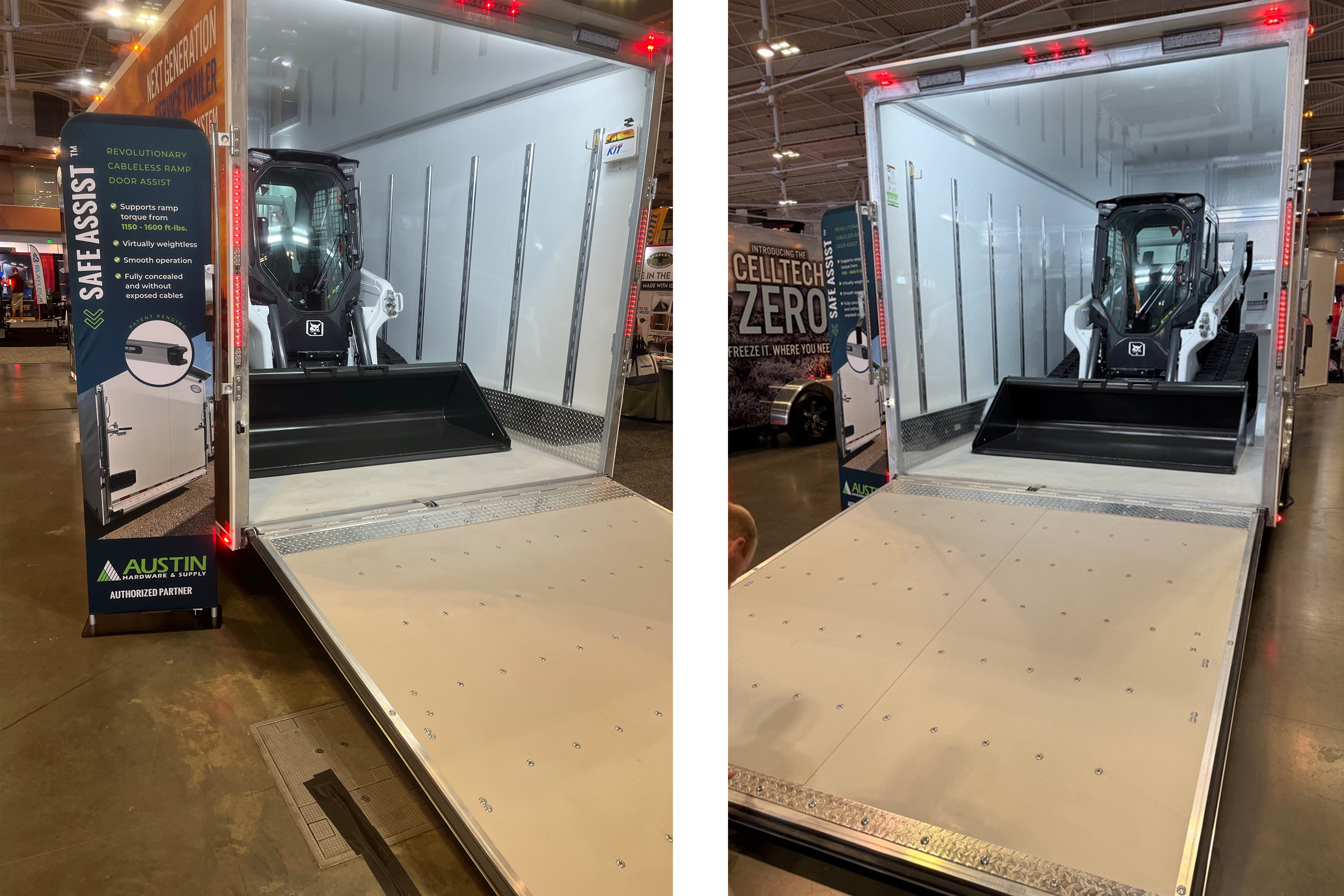
Don't Overlook Ramp Operation
Loading and unloading equipment is part of the daily routine for many landscape crews. When a trailer ramp is used repeatedly, its operation can noticeably affect the people using it.
Consider the equipment that may be moving on and off the trailer as the seasons change. Mowers may give way to chippers and other tree-care equipment during fall cleanup. Later, snow blowers, spreaders, and other winter equipment may become part of the daily load.
That makes ramp operation worth evaluating before those demands increase.
Is the ramp easy to raise and lower? Does it require excessive effort? Does it move smoothly and predictably? Is the ramp-assist system appropriate for the ramp's weight and geometry? Are the mounting points and associated hardware in good condition?
A ramp-assist system should support the actual application, not just provide a generic solution. Ramp weight, geometry, vehicle configuration, and intended use all influence how the system needs to perform. Those considerations are worth discussing when specifying new trailer equipment, particularly for fleets that expect ramps to see heavy, repeated use.
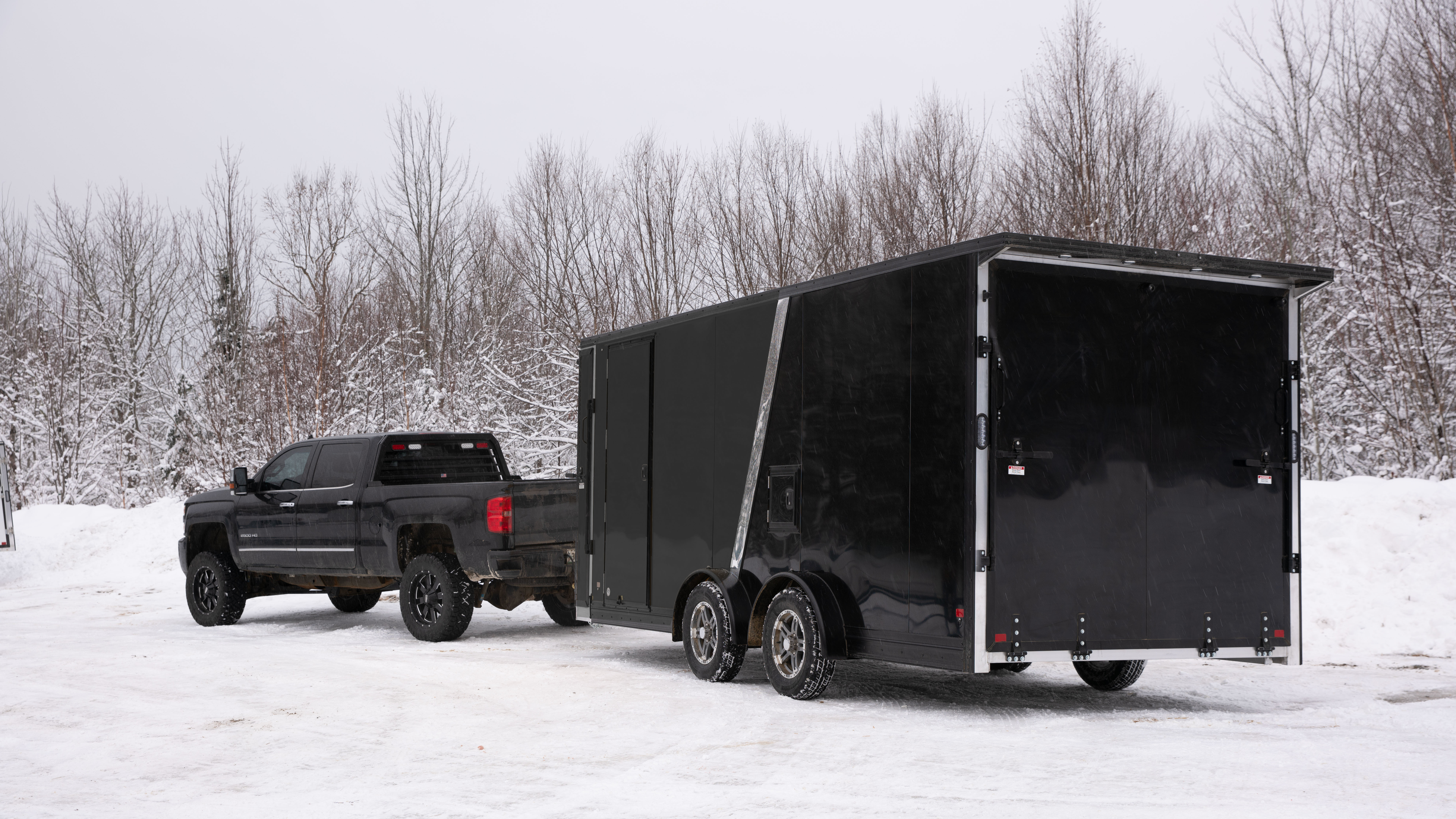
Use the Fall Window to Address Equipment Issues
Once winter arrives, equipment problems become harder to ignore and often harder to address. Crews may have less flexibility to take a trailer out of service, while seasonal demands can make downtime more costly.
That is why fall can be the right time to address issues that have developed during the busy season.
Inspect ramps and frequently used hardware. Pay attention to changes in operation. If a ramp has become difficult or inconsistent to handle, evaluate the condition of the existing assist system and its supporting components.
This is also a good time to consider whether the current setup still matches the application. Changes in equipment, ramp configuration, or trailer use can affect the demands placed on the ramp.
Answering those questions before winter work begins can help contractors start the next phase of the season with equipment in a good position to handle the job.
Safe Assist Ramp Assist Solutions
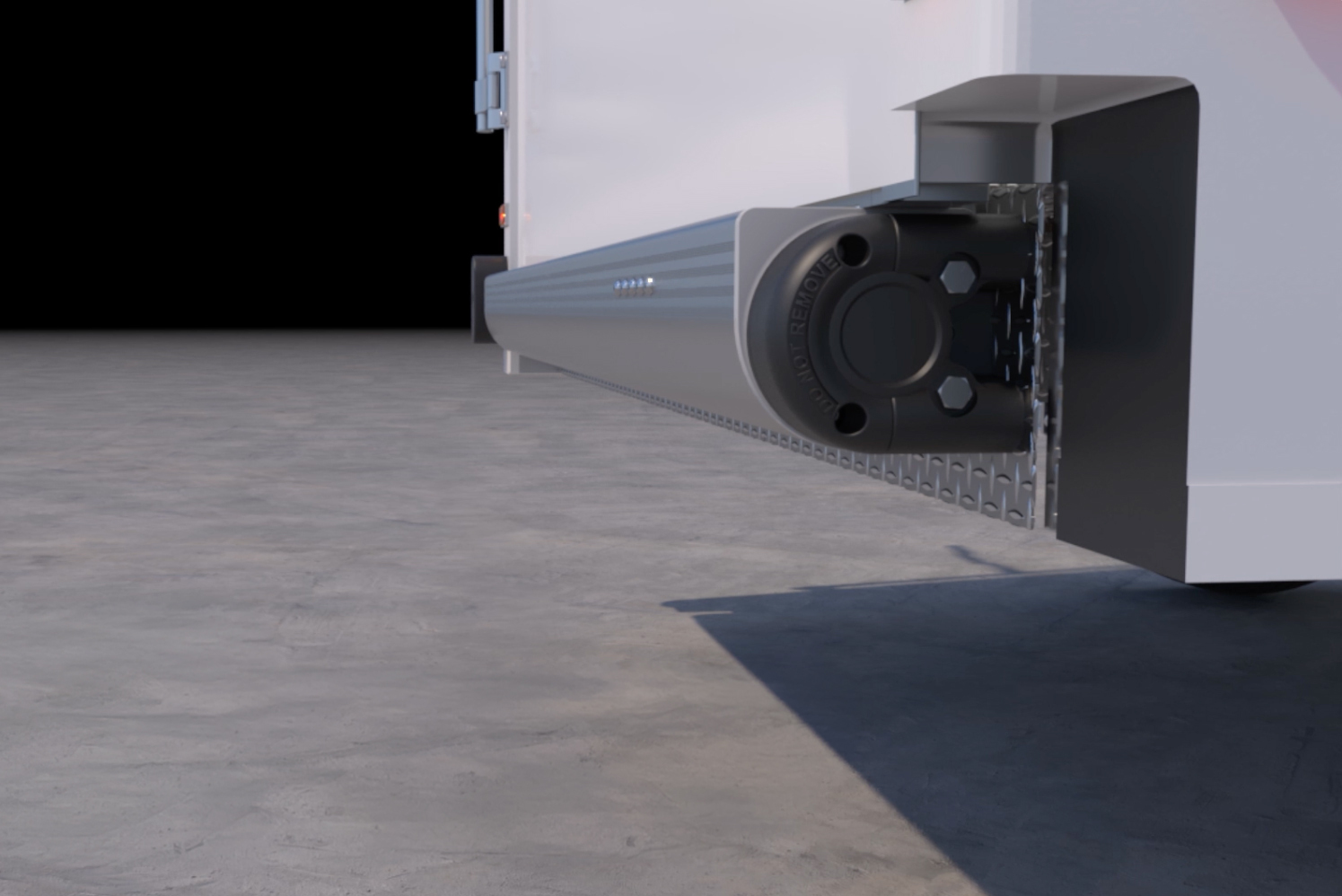
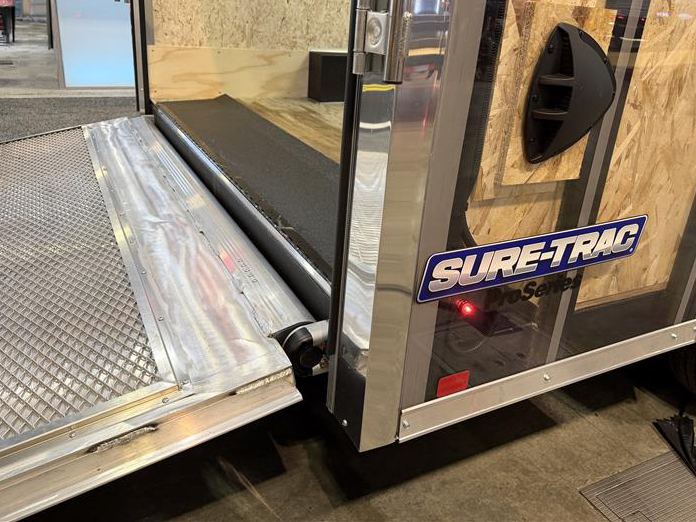
For landscape operations where ramps are opened and closed repeatedly throughout the workday, reducing the effort required to handle a heavy ramp can make a meaningful difference. Safe Assist is designed to make vehicle and trailer ramps easier to operate, helping reduce the physical effort required to raise and lower the ramp.
Unlike traditional cable or torsion-spring systems, Safe Assist uses a concealed aluminum design that keeps the assist mechanism protected and out of the way while helping make heavy ramps feel virtually weightless to the operator. The adjustable system can be configured to the ramp application, helping provide smooth, predictable assistance suited to the ramp's weight and geometry.
The trailer manufacturer installs Safe Assist, so it's best to consider it when specifying a new trailer or replacing equipment as part of a fleet upgrade. If easier, more controlled ramp operation is important to your crews, ask your trailer manufacturer about Safe Assist and the ramp-assist options available for your application. Austin Hardware works with OEMs and equipment manufacturers to help engineer ramp-assist solutions around specific vehicle and trailer requirements.
Prepare for What the Next Season Brings
The transition into fall is a natural time to look beyond today's work and prepare for what comes next.
A trailer ready for fall cleanup should also support the equipment and workload winter may bring. Taking time to inspect ramps, hardware, and other frequently used components can help you identify issues while you still have time to address them.
For contractors adding new trailers or replacing equipment, the seasonal shift is also an opportunity to consider how component choices can affect everyday operation. The right hardware, specified for the application from the start, can help make equipment easier to use and better suited to the work ahead.
From the first fall cleanup job to the demands of winter, properly functioning equipment helps crews stay focused on the work ahead.
If you're planning a new trailer or fleet upgrade and want to explore ramp-assist options for your application, talk with Austin Hardware about Safe Assist.