

ORAFOL® ORABOND® UHB Tapes
Posted by Austin Hardware on Nov 16th 2026
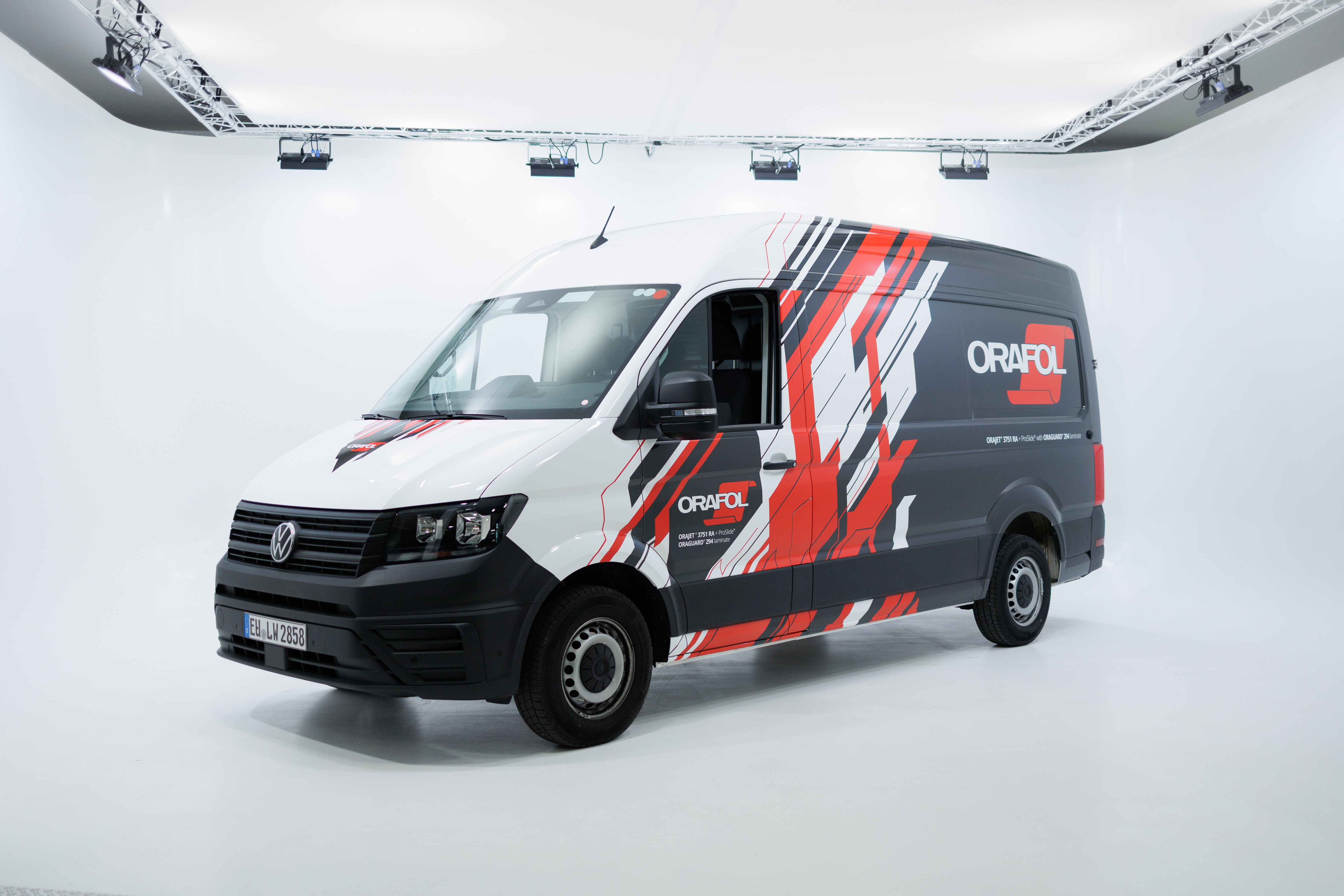
ORAFOL® ORABOND® UHB Tapes for Industrial Bonding and Mounting
When a manufacturer needs to attach a panel, trim piece, or other component, the choice of bonding method affects more than assembly. Material compatibility, joint design, environmental exposure, and service requirements all influence how well a connection performs over time.
For applications suited to adhesive bonding, acrylic foam tape provides an alternative to some conventional fastening methods. Austin Hardware offers ORAFOL® ORABOND® UHB tapes in two thicknesses and five widths, giving manufacturers additional configurations to evaluate for their assemblies.
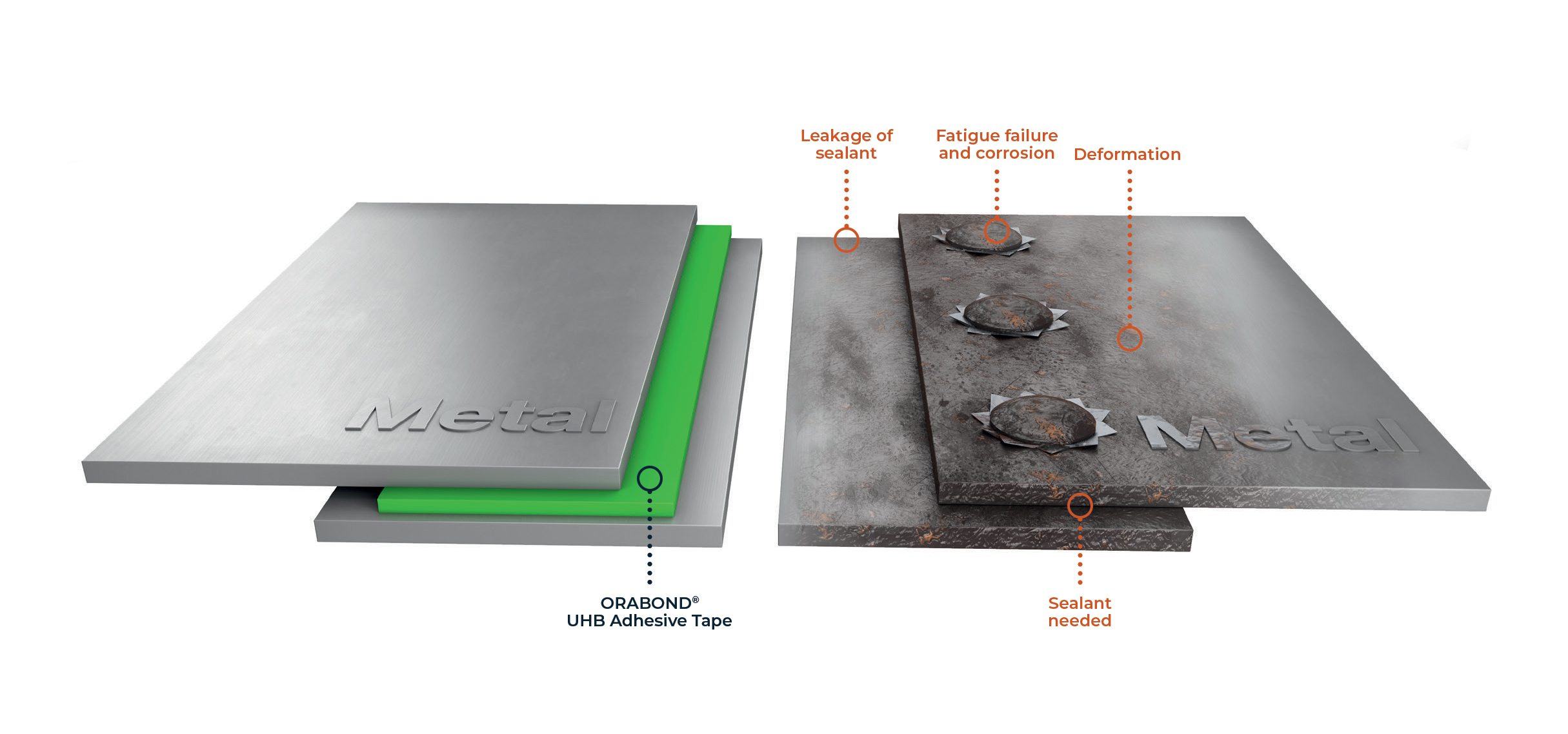
How Acrylic Foam Tape Supports Industrial Bonding
Double-sided acrylic foam tape uses a pressure-sensitive acrylic adhesive to bond two surfaces. Its viscoelastic properties let it conform to surface variations and accommodate stresses caused by differences in thermal expansion between joined materials.
These characteristics make acrylic foam tape a strong option for selected mounting and bonding applications, including body panels, emblems, illuminated displays, and signage. The appropriate product depends on the materials, joint design, and conditions the finished assembly will encounter.
Tape selection also depends on how the bond will be made. Surface condition, available bonding area, application temperature, and assembly process can all affect adhesion. Reviewing these factors early helps manufacturers identify suitable candidates for testing before committing to a production process.
Where ORABOND® UHB Tapes May Fit
ORAFOL identifies body panels, emblems, illuminated displays, and signage among the applications for its ORABOND® UHB tape families. These uses offer a practical starting point for evaluating whether acrylic foam tape could meet a particular assembly requirement.
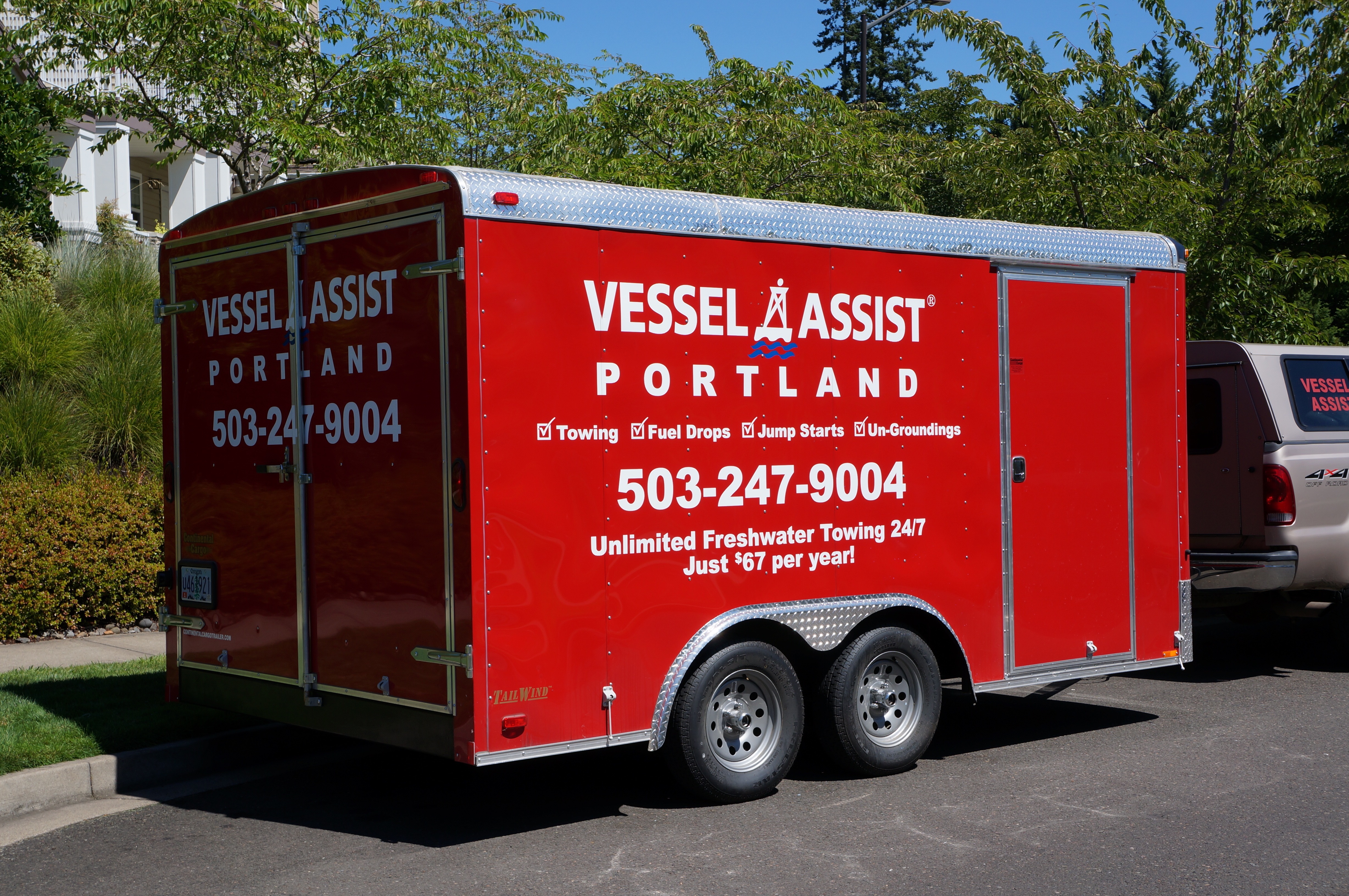
In truck and trailer manufacturing, potential applications may include selected panel attachments, trim, and mounted components. Key questions include whether the tape is compatible with the substrates, whether the joint provides sufficient bonding area, and whether the connection can withstand the loads and service conditions involved.

Sign and display applications may require bonding between different materials while maintaining a clean, finished appearance. Acrylic foam tape can be evaluated for mounting signs, emblems, and display components when the substrate combination and operating conditions align with the product specifications.
Industrial equipment and enclosure manufacturers may also find opportunities to assess adhesive bonding for selected panels and components. Access for assembly, future service requirements, and exposure to temperature or moisture can influence whether tape is a practical choice.
In each case, the application determines the requirements. Manufacturer specifications and application testing should guide the final selection.

What to Evaluate Before Selecting a Tape
A few application details can help narrow options and clarify what to verify before introducing a tape into production.
Substrates and surface condition
Identify both materials being bonded, including relevant coatings and finishes. Different surfaces can react differently to pressure-sensitive adhesives, so confirm compatibility for the actual substrate combination. Contaminants such as oil, grease, dust, or other residues can also interfere with adhesion.
Bonding area and joint design
Consider the size and shape of the bonding surfaces, the space available for the tape and the forces acting on the joint. Peel, shear and tensile loads place different demands on an adhesive connection. Thickness and width are important dimensions, but neither alone establishes whether a tape will perform adequately.
Operating environment
Review the temperature range, moisture exposure, ultraviolet exposure, and other conditions the assembly will face. Compare these requirements with the applicable technical data for the specific tape. Both application conditions and the finished product's service environment matter.
Application process and validation
Follow the manufacturer's surface-preparation and application instructions. Then test the proposed configuration under conditions representative of the finished assembly, including its materials, joint geometry, and expected loads. This step helps determine whether the tape is appropriate for the intended use and production process.
These considerations give engineering and purchasing teams a clearer basis for comparing options and identifying the technical information needed to proceed.
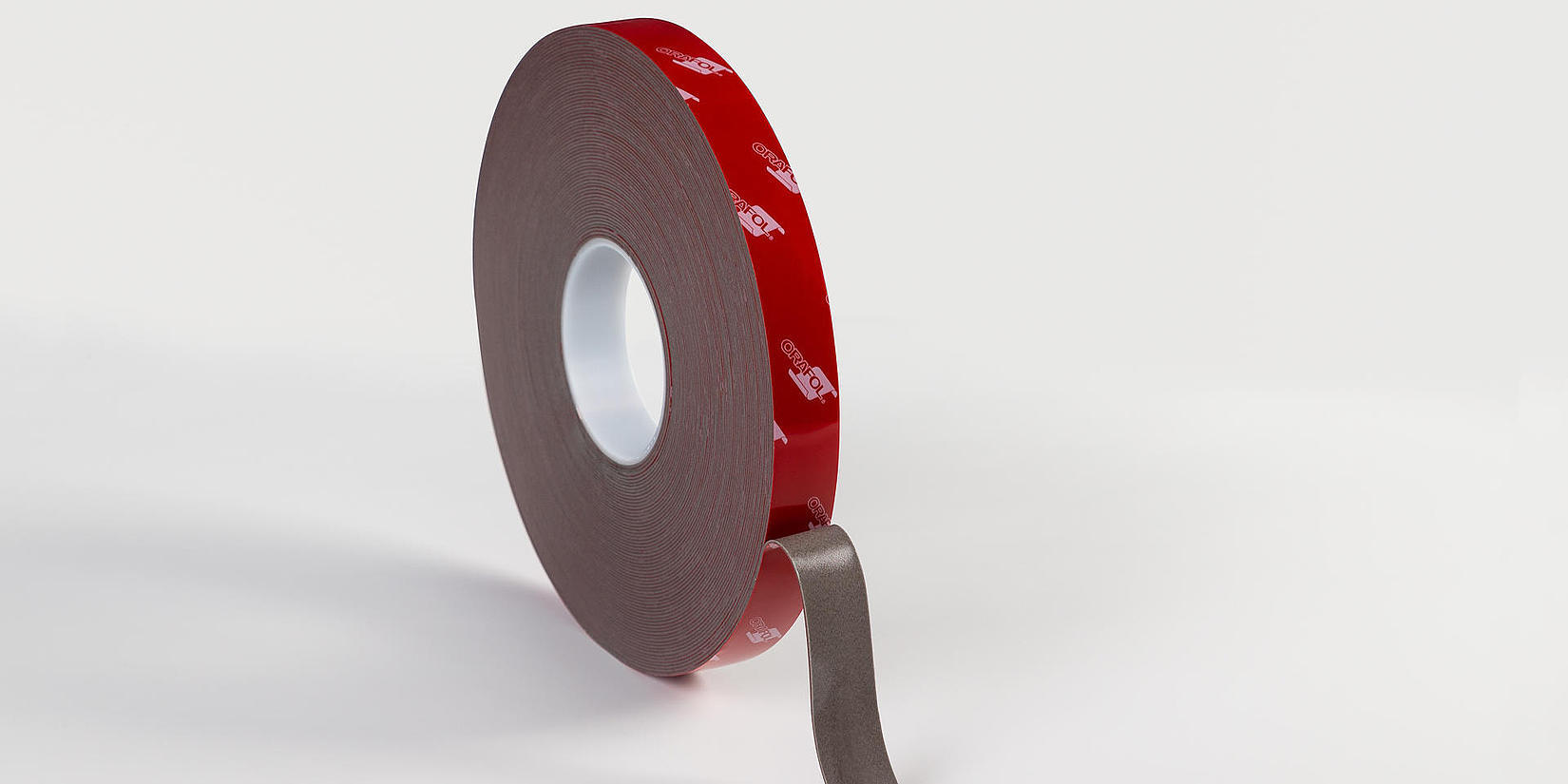
Explore ORAFOL® ORABOND® UHB Tapes from Austin Hardware
Austin Hardware offers two ORAFOL® ORABOND® UHB acrylic foam tape families. Each family is available in five widths to accommodate different assembly dimensions and requirements.
ORABOND® UHB03110G | 0.044-Inch Thick
With a nominal thickness of 1.10 mm (0.044 inch), UHB03110G is an option to evaluate when its adhesive thickness and product characteristics suit the joint design.
Available widths: 0.25, 0.50, 0.75, 1.00, and 2.00 inches
ORABOND® UHB04150G | 0.060-Inch Thick
With a nominal thickness of 1.50 mm (0.060 inch), UHB04150G provides a thicker tape configuration for applications where additional thickness is appropriate to the assembly design.
Available widths: 0.25, 0.50, 0.75, 1.00 and 2.00 inches
Austin Hardware carries both families in 108-foot roll configurations. The appropriate option depends on substrate compatibility, bonding area, joint geometry, and operating conditions. A thicker tape should not automatically be treated as a stronger or more suitable bond.
Explore ORAFOL® ORABOND® UHB tapes at Austin Hardware to review available configurations and product details.
Have a specific bonding application in mind? Contact Austin Hardware to discuss your requirements and determine which product information or testing considerations can help inform your selection.