

MMA vs. Epoxy Structural Adhesives | Choosing the Right Bonding Solution
Posted by Austin Hardware on Jul 10th 2026
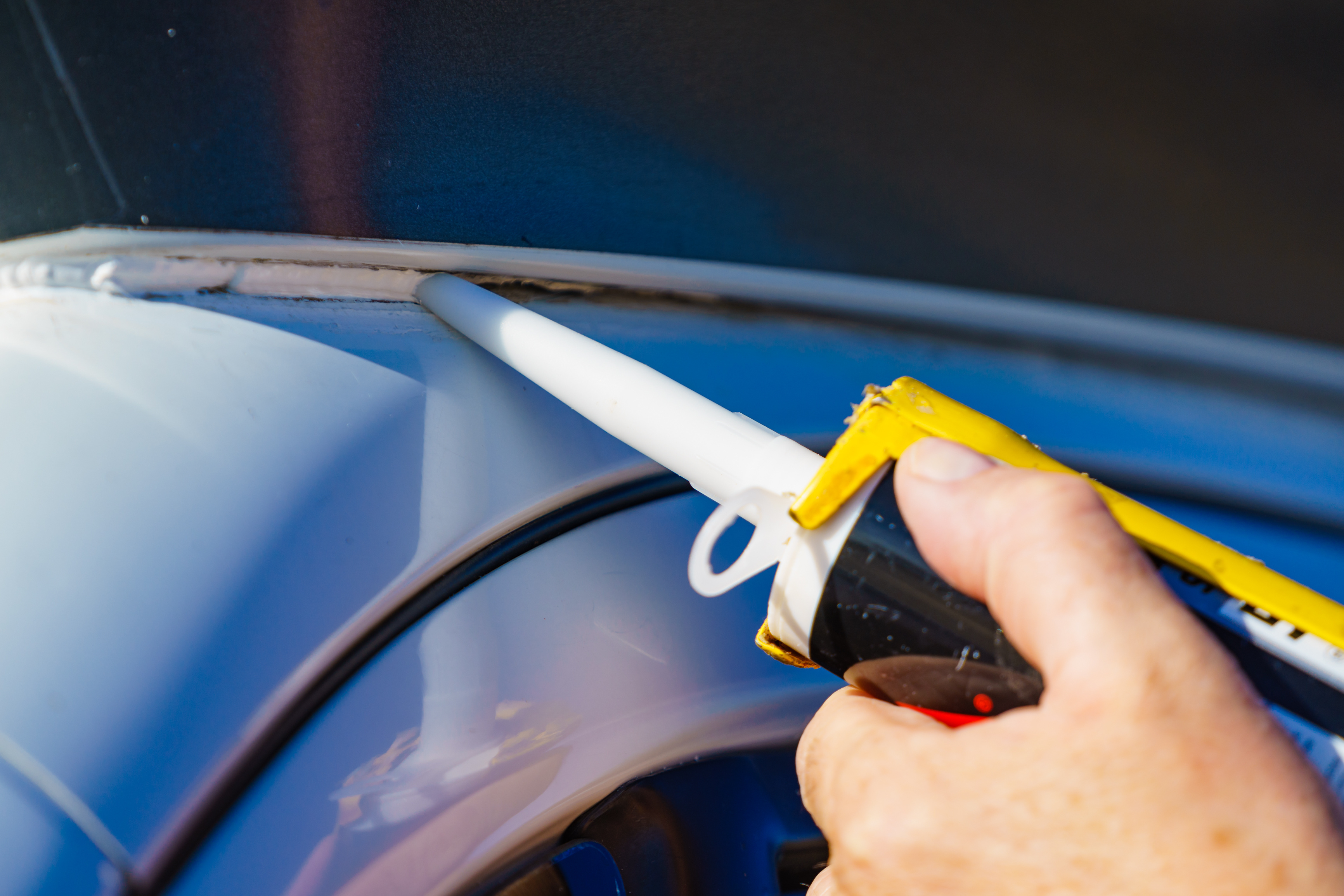
MMA vs. Epoxy Structural Adhesives: How to Choose the Right Bonding Solution
For decades, welding and mechanical fasteners have been the default methods for joining materials across transportation, industrial, and manufacturing applications. While those methods remain valuable, manufacturers today face new challenges that are driving interest in alternative assembly technologies. Lightweighting initiatives, production efficiency goals, labor constraints, and the growing use of composites and mixed-material designs have all contributed to the rise in structural adhesive use.
For many manufacturers, the conversation is no longer adhesive bonding versus welding but rather which adhesive technology is best suited to the application.
Among the many adhesive technologies available, two stand out as the most widely used for structural bonding applications: Methyl Methacrylate (MMA) adhesives and structural epoxy adhesives. Both can create exceptionally strong, durable bonds, but they achieve those results in different ways and excel in different environments.
Selecting the right adhesive is not simply a matter of choosing the strongest product. Factors such as cure speed, substrate compatibility, environmental exposure, production throughput, and long-term performance all influence which technology is best suited for a particular application. Understanding the strengths and limitations of MMA and epoxy adhesives can help manufacturers make more informed decisions and achieve better assembly outcomes.

Why Manufacturers Are Replacing Welds with Structural Adhesives
Manufacturing processes continue to evolve as companies seek to reduce costs, improve product performance, and increase production efficiency. Structural adhesives have emerged as a valuable alternative to welding and mechanical fastening because they offer advantages that extend well beyond simply joining two components together.
Unlike welds or fasteners, adhesives distribute loads across the entire bonded area rather than concentrating stress at specific points. This can improve fatigue performance, reduce stress cracking, and enhance overall durability. Adhesives also eliminate many of the aesthetic concerns associated with visible fasteners and weld marks, creating cleaner finished products.
Another major advantage is material flexibility. As manufacturers increasingly combine metals, composites, plastics, and other advanced materials, traditional joining methods often become less effective. Structural adhesives enable bonding of dissimilar materials without introducing galvanic corrosion, heat distortion, or additional weight.
These benefits have led to widespread adoption across transportation, trailer manufacturing, RV production, marine applications, bus and specialty vehicle construction, industrial equipment manufacturing, sign fabrication, and composite assembly operations.
What Is MMA Adhesive and Why Is It Gaining Popularity in Manufacturing?
Methyl Methacrylate (MMA) adhesives are two-part structural adhesives designed to create strong, durable bonds across a wide range of substrates. They are particularly valued in manufacturing environments where speed, versatility, and impact resistance are critical requirements.
One of MMA's greatest advantages is its ability to combine structural performance with manufacturing efficiency. Unlike many adhesive technologies that require extensive surface preparation, MMA adhesives often achieve excellent bonds with minimal prep. Fast fixture times help manufacturers increase throughput while reducing labor and production bottlenecks.
MMA adhesives also offer exceptional toughness and flexibility. They perform well in applications subjected to vibration, impact loading, thermal cycling, and dynamic stress conditions. These characteristics make them particularly attractive in transportation industries where equipment regularly encounters road shock, vibration, and changing environmental conditions.
Beyond production efficiency, MMA's material compatibility is another reason it has become popular in transportation and composite manufacturing applications. This versatility makes it easier to design lightweight assemblies that combine different materials without relying on mechanical fastening systems.
Because of these characteristics, MMA adhesives are frequently used in trailer manufacturing, RV assembly, bus body construction, composite panel bonding, and other applications where production speed and material flexibility are important considerations.

What Is Epoxy Adhesive and Where Does It Excel?
Structural epoxy adhesives have long been considered the benchmark for high-strength bonding applications. These two-component systems create rigid, durable bonds capable of handling significant loads and demanding operating environments.
Epoxies are known for strong adhesion, excellent mechanical properties, and outstanding resistance to heat and chemicals. While they typically require longer cure times than MMA adhesives, they provide exceptional long-term performance in demanding applications.
One of epoxy's greatest strengths is its ability to maintain performance under severe operating conditions, including exposure to heat, chemicals, moisture, solvents, and other environmental stressors. This durability makes epoxy a preferred choice for industrial equipment, heavy-duty machinery, chemical processing systems, and other applications where long-term reliability is critical.
Epoxies are also commonly selected for highly loaded structural assemblies where maximum stiffness, strength, and dimensional stability are required. Although epoxy systems generally cure more slowly than MMA adhesives, many manufacturers consider that trade-off worthwhile when environmental resistance and ultimate structural performance are top priorities.
Epoxy systems are also available in a wide range of formulations, allowing manufacturers to tailor cure speed, flexibility, and environmental performance to specific applications.
MMA vs. Epoxy: Understanding the Key Differences
Both technologies qualify as structural adhesives, but their performance characteristics differ in ways that can significantly impact manufacturing outcomes.
The table below highlights some of the most important performance differences manufacturers should evaluate when selecting between MMA and epoxy technologies.
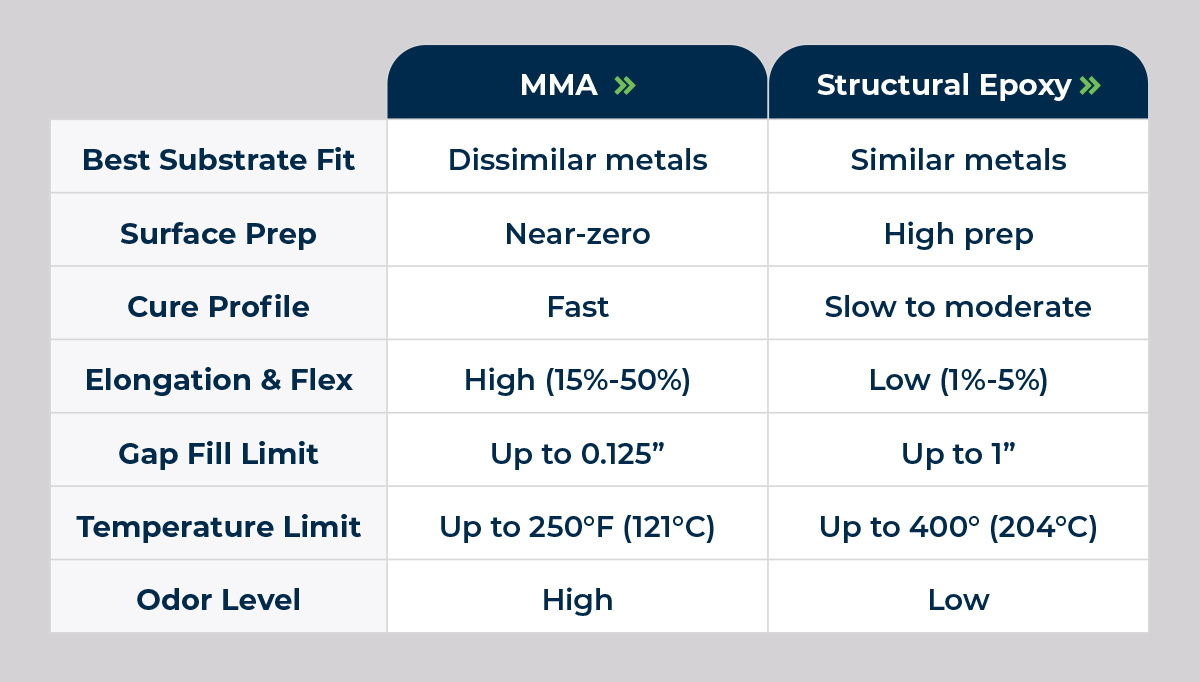
The best choice depends less on which adhesive is "better" and more on which technology aligns with the application's requirements.
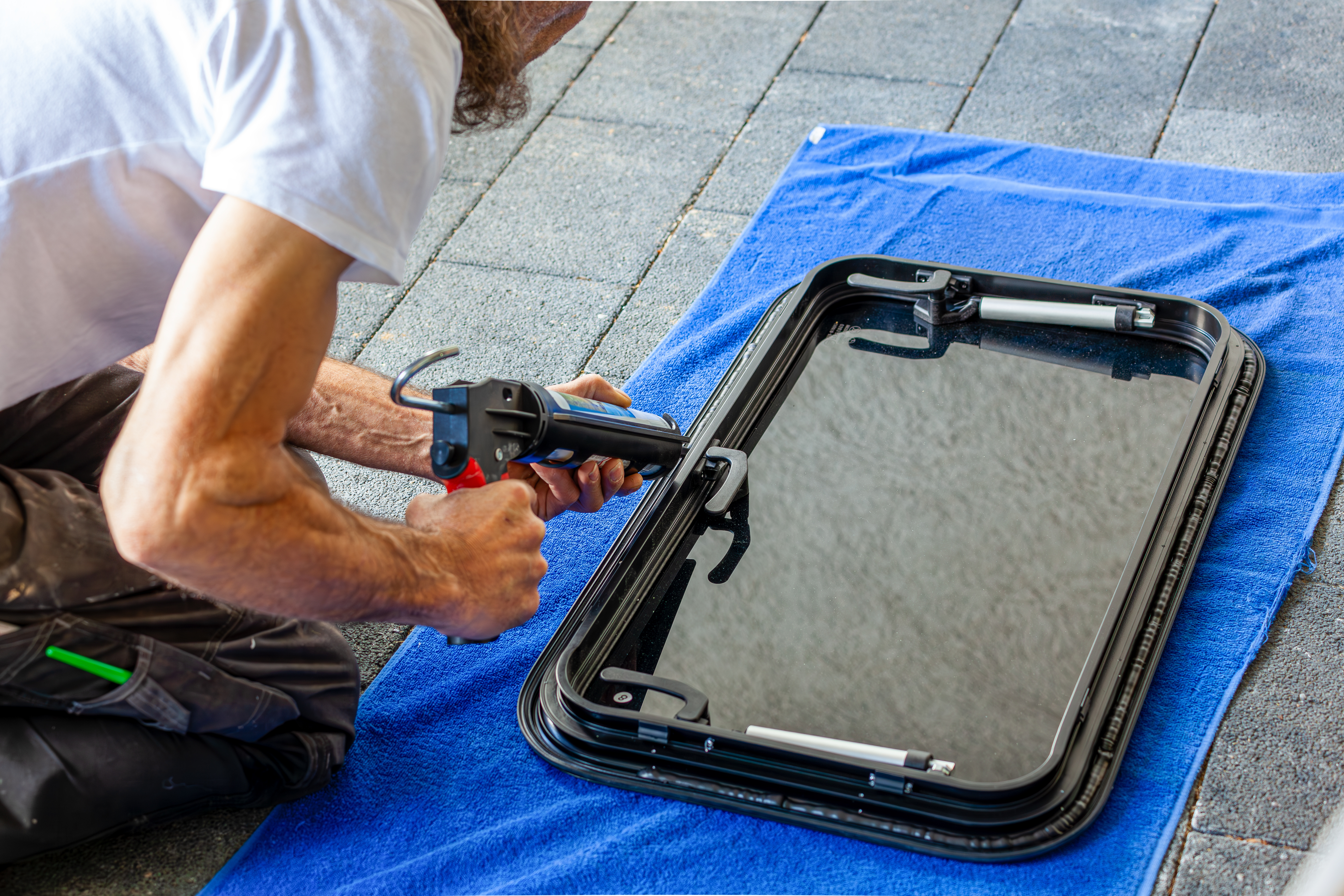
Choose MMA When Speed and Versatility Matter
For many transportation and fabrication applications, MMA adhesives offer a compelling combination of performance and productivity.
Manufacturers frequently select MMA when replacing welds in mixed-material assemblies, bonding composites to metals, or streamlining high-volume production operations. The ability to achieve strong bonds with minimal surface preparation can significantly reduce labor costs and production bottlenecks.
MMA also performs exceptionally well in environments exposed to vibration and impact. Trailers, RVs, buses, specialty vehicles, and other mobile equipment often benefit from MMA's toughness and flexibility because bonded joints can absorb dynamic forces without becoming brittle.
When lightweighting, faster assembly cycles, and material versatility are primary goals, MMA is often the preferred solution.
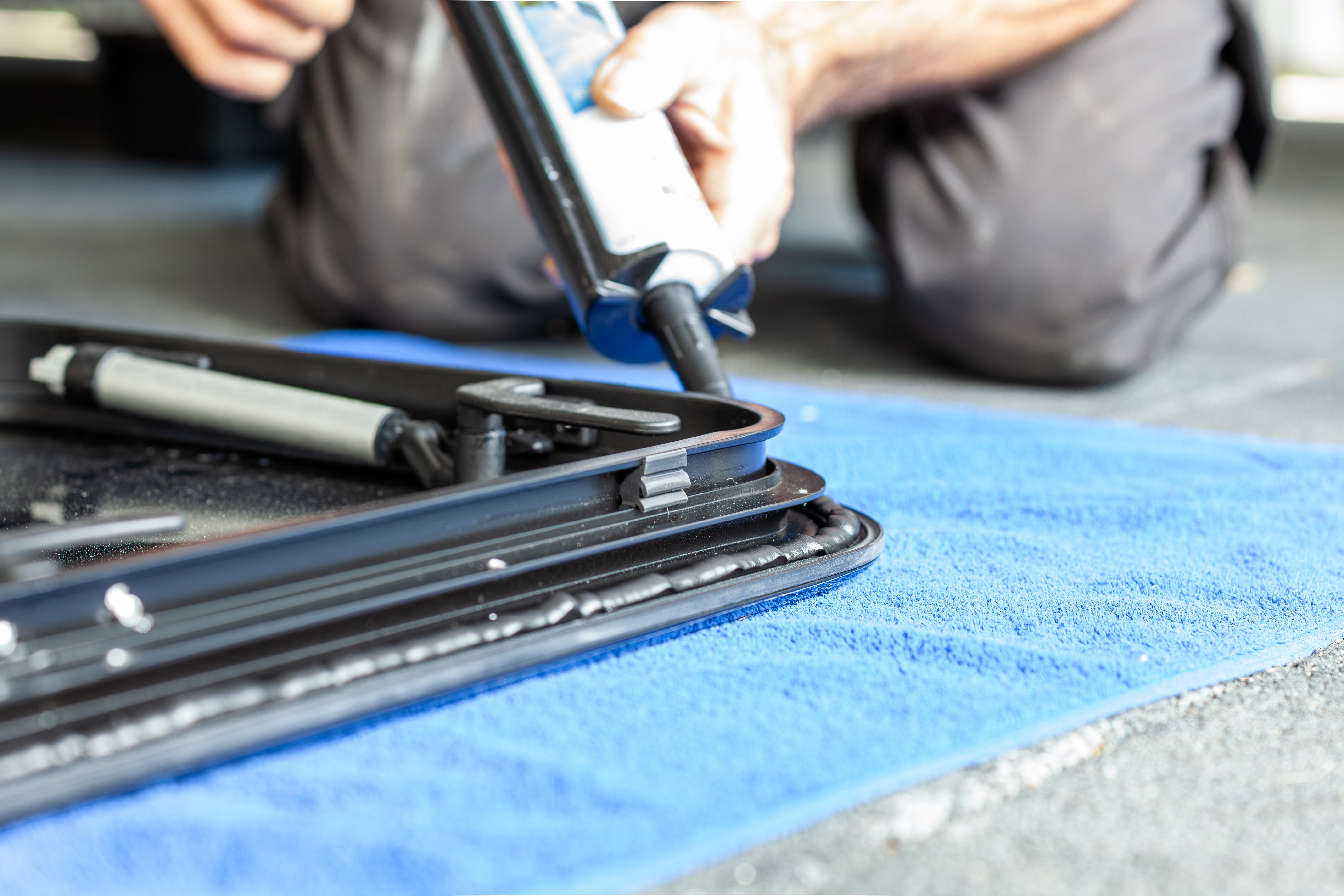
Choose Epoxy When Maximum Performance Is Required
Some applications place greater emphasis on environmental durability than on production speed. In these situations, epoxy adhesives frequently provide the best long-term solution.
Industrial equipment operating near elevated temperatures, chemical processing systems exposed to aggressive substances, and highly loaded structural assemblies often benefit from epoxy's superior resistance characteristics. Many epoxy formulations maintain performance under conditions that would challenge other adhesive technologies.
When environmental resistance, sustained load-bearing performance, and long-term durability outweigh throughput considerations, epoxy is often the stronger candidate.
Beyond the Adhesive: Factors That Impact Bond Performance
Selecting the appropriate adhesive technology is only one part of achieving a successful bond. Bond performance depends on several interconnected factors, including substrate materials, joint design, surface preparation, environmental exposure, cure requirements, production volume, and regulatory considerations.
Even the highest-performing adhesive can underperform if these variables are overlooked during the design process. Successful adhesive bonding requires evaluating the complete application, not simply selecting a product based on strength ratings or cure speed.
For this reason, adhesive selection is most effective when viewed as part of a broader engineering and manufacturing strategy rather than a standalone purchasing decision.
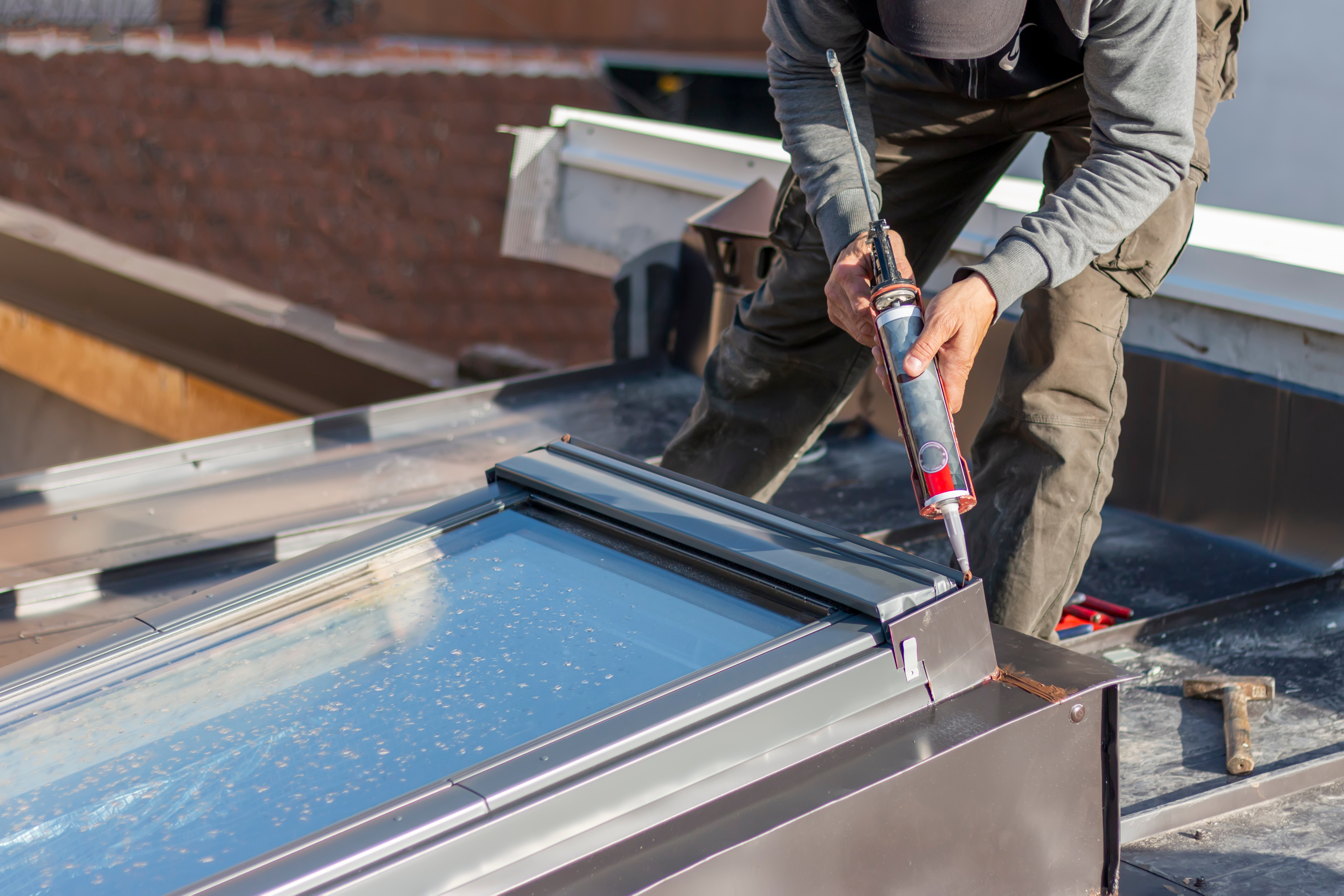
Need Help Choosing Between MMA and Epoxy?
Structural adhesives continue to expand the possibilities for manufacturers seeking stronger, lighter, and more efficient assembly methods. Both MMA and epoxy technologies offer proven performance, but the ideal choice depends on the materials being bonded, environmental conditions, production goals, and long-term performance requirements.
Whether you are replacing welds, bonding composites, joining dissimilar materials, or optimizing a manufacturing process, choosing the right adhesive technology can significantly affect product quality and production efficiency.
Austin Hardware's team of adhesives experts can work alongside you to evaluate your application and recommend the structural bonding solution that best aligns with your engineering and manufacturing objectives.
Contact Austin Hardware today to discuss your bonding and sealing requirements and identify the right solution for your application.