
Truck & Trailer Manufacturing: How OEM Priorities Are Evolving
Posted by Austin Hardware on Sep 14th 2026
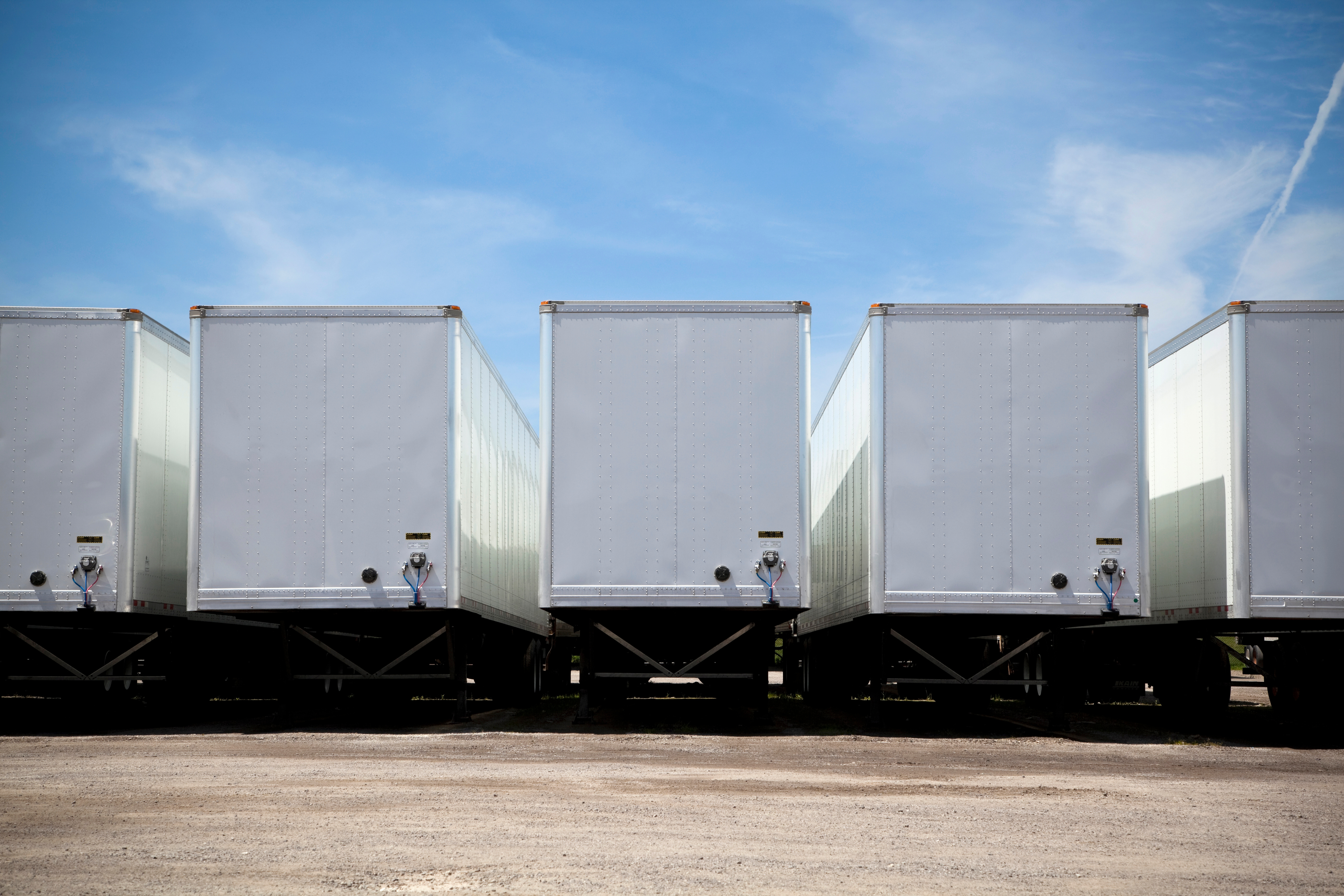
Building Smarter: How Truck & Trailer Manufacturing Is Evolving
In 2024, we examined the forces reshaping the truck and trailer industry, from supply chain challenges and shifting demand to emerging technologies and evolving customer expectations. At the time, manufacturers were still adapting to an environment where availability, lead times, costs, and production planning could change quickly.
Two years later, those forces continue to shape the market, but some of the most meaningful changes are happening closer to the manufacturing floor.
Truck and trailer OEMs are looking at equipment through a broader lens. The question is no longer simply whether a component meets the specification or whether a vehicle can be produced on schedule. Manufacturers are also considering how design decisions affect assembly efficiency, uptime, serviceability, durability, and long-term value.
In other words, the industry is becoming more deliberate about how it builds. That shift is influencing everything from the components selected for a vehicle to the engineering processes used to integrate them.
From Responding to Change to Designing for It
The manufacturing challenges that have become especially visible over the past several years have changed how many OEMs approach production.
- Supply chain disruptions demonstrated the importance of component availability.
- Labor challenges highlighted the value of efficient assembly.
- Rising costs put greater emphasis on productivity and lifecycle value.
- Changing customer expectations pushed manufacturers to think more carefully about durability, serviceability, and the overall ownership experience.
Those lessons are shaping the design process, as OEMs seek ways to build equipment that moves through production efficiently while performing reliably in demanding applications. Initial cost and basic function tell only part of the story.
A latch, hinge, gas spring, seal, fastener, adhesive, or lighting component may represent a small portion of the overall vehicle. Its performance can still affect the assembly line, the service bay, and the equipment's time in the field.
A decision made during product design can eventually show up as an assembly problem, a service issue, or a sourcing headache.
Five Ways Manufacturing Priorities Are Evolving
1. Designing for Uptime Starts at the OEM
For fleet operators, downtime has a direct operational cost. When a fleet vehicle is unavailable, schedules can be disrupted, labor can sit idle, and replacement equipment may have to be found. That makes uptime a consideration that starts well before equipment enters service.
OEMs can influence serviceability through the components they select and how those components are integrated into the vehicle. Durable, corrosion-resistant hardware can withstand repeated use and demanding environments. Standardized components can simplify maintenance and parts management, while components that are easy to access, remove, and replace can reduce service time.
The goal is equipment that keeps working without making routine maintenance harder than it needs to be. That means considering how components will perform over thousands of cycles and years of service, not simply whether they function when the vehicle leaves the assembly line.
2. Engineering Simplicity Can Improve Production
Manufacturers have always looked for ways to build more efficiently. Today, that effort can begin with the design itself.
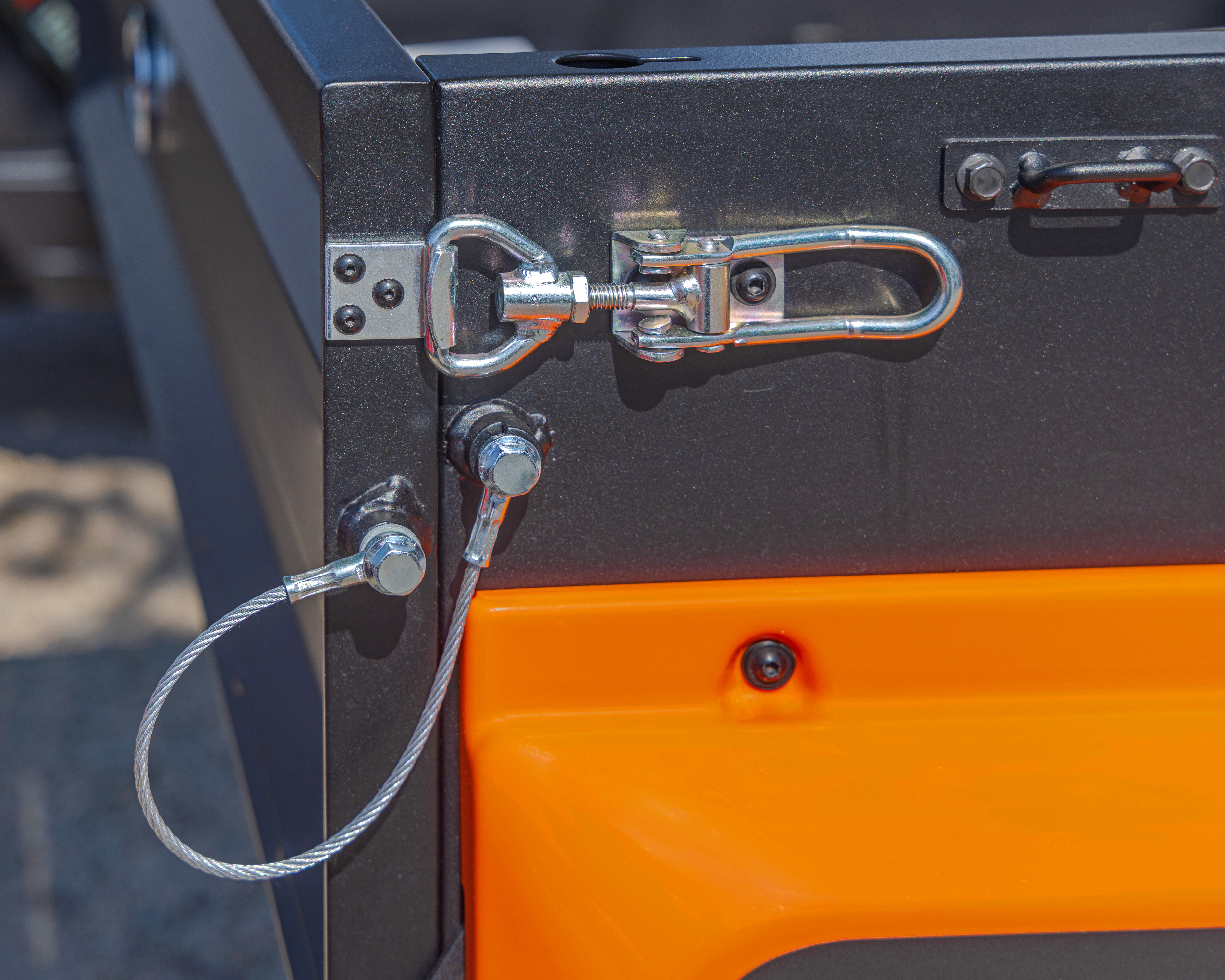
A component that is easier to install saves time at every workstation where it’s used. A modular assembly can simplify production across multiple configurations, and standardized hardware can reduce the number of parts production teams need to manage. An engineered solution can eliminate unnecessary components or assembly steps. A few seconds saved during one installation may seem insignificant, but multiplied across a production run, those savings can become meaningful.
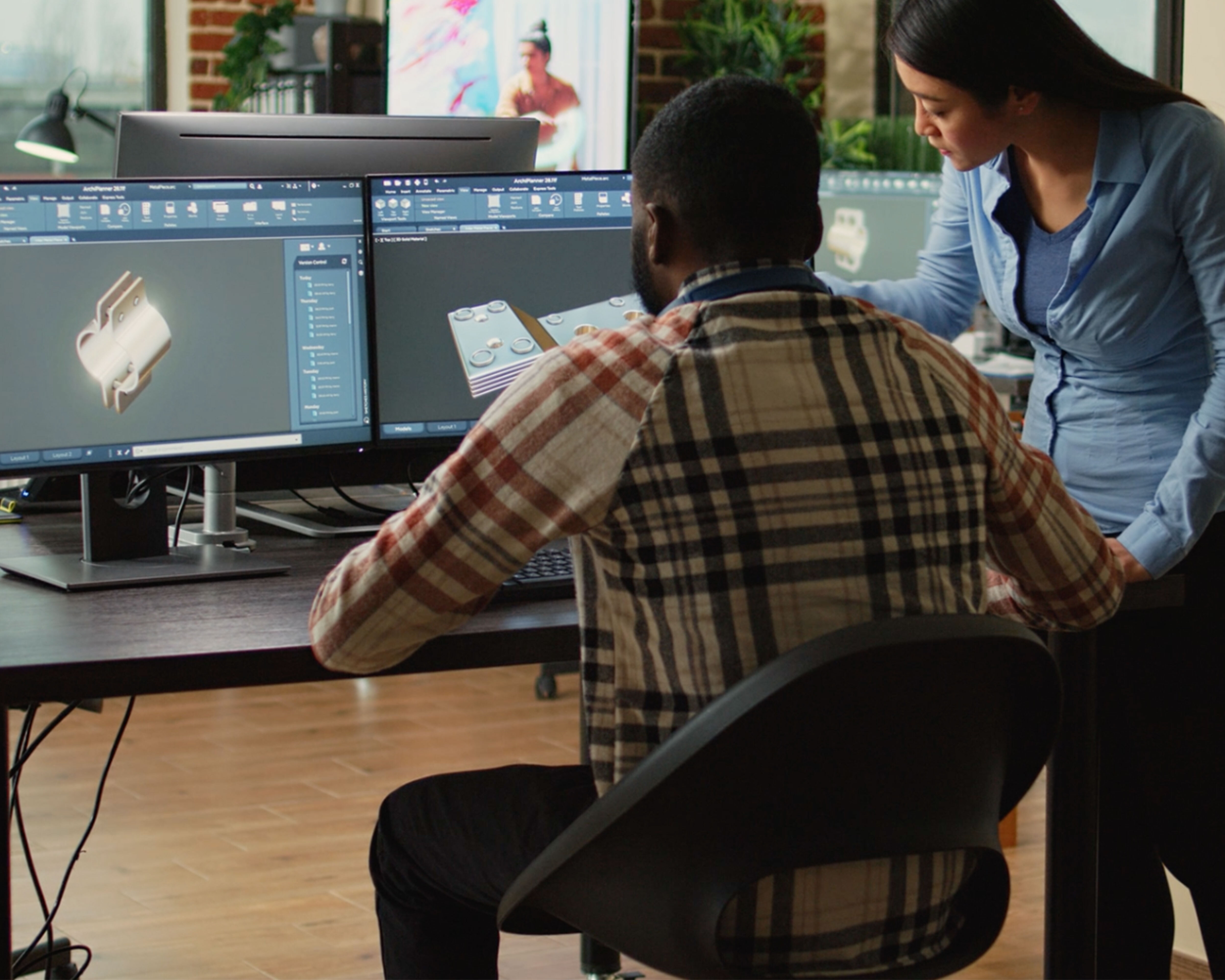
This is where an engineering partner can contribute beyond supplying a specific component. An engineering partner can help OEMs examine how a product is installed, how it interacts with surrounding components, and whether the overall assembly can be made more efficient.
The goal is to solve problems at the design stage whenever possible, rather than asking the production floor to compensate for them later.
3. Vocational Applications Continue to Push Innovation
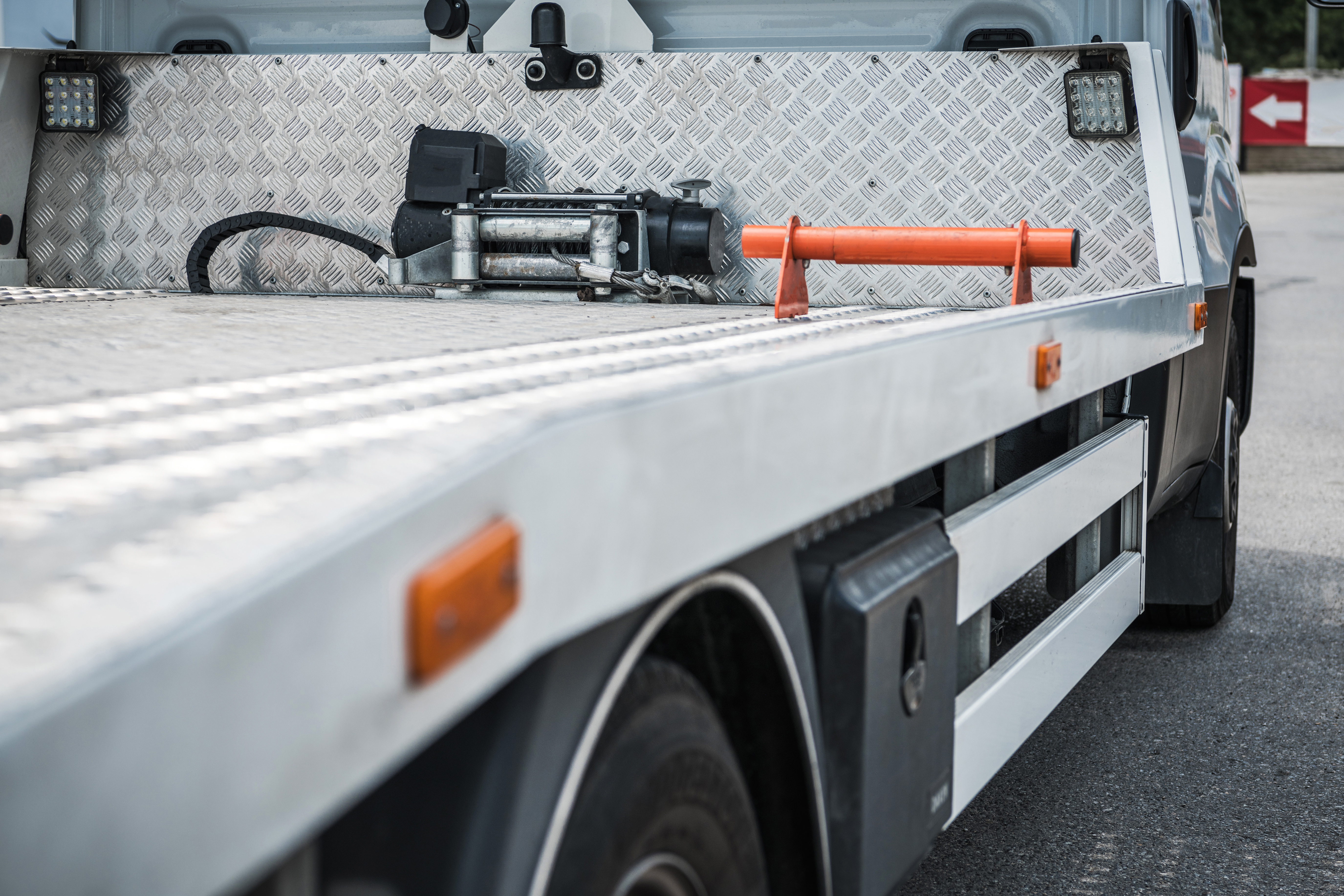
Utility, construction, agricultural, municipal, emergency, and other vocational applications place demanding and often highly specific requirements on the equipment manufacturers build.
Those requirements create opportunities to improve equipment through relatively small design decisions. A more ergonomic access system can make a technician's job easier. A better sealing solution can protect an interior compartment. More durable hardware can reduce maintenance requirements. A thoughtfully designed storage or access system can improve how efficiently operators use the vehicle.
As specialized vehicles continue to support infrastructure, construction, utility, agricultural, municipal, and emergency applications, manufacturers will continue to look for ways to make them more capable, durable, and easier to use.
4. Component Selection Is Becoming a Lifecycle Decision
The initial purchase price of a component is easy to measure. The cost of installing, maintaining, repairing, and eventually replacing that component is more difficult to quantify. For OEMs, the lowest-cost component is not necessarily the lowest-cost choice.
A sealing solution that helps prevent water intrusion can protect surrounding materials and reduce future maintenance. Corrosion-resistant hardware can help extend service life in harsh environments. Durable hinges can withstand repeated operation. Gas springs can improve access and operator ergonomics. LED lighting can provide dependable performance while reducing certain maintenance concerns.
Adhesives offer another example. In applications where bonding is appropriate, an adhesive can reduce the number of mechanical fasteners required, simplify assembly, and distribute loads differently across the joined materials.
The right choice depends on the application. The question extends beyond whether a component meets today's specification to how it affects production, operation, maintenance, and service over the life of the equipment.
5. Supplier Relationships Are Becoming More Strategic
The role of a component supplier has expanded as manufacturing has become more complex.
For an OEM, a component issue rarely stays confined to purchasing. A part that becomes difficult to source can affect inventory, production scheduling, assembly, and ultimately delivery. Manufacturers can gain more value from suppliers that understand those realities and can contribute to sourcing, inventory, and production challenges.
That might mean identifying an alternative component when availability becomes an issue, helping manage recurring inventory needs, or responding quickly when production requirements change.
VMI and CMI programs can help manufacturers manage frequently used components more efficiently, keeping inventory available at the point of use while reducing the administrative burden associated with replenishment. Broad inventory and reliable fulfillment can also provide another layer of protection when production schedules depend on consistent component availability.
A supplier that keeps a production line moving can provide value well beyond the price on a purchase order.
Build Faster, Smarter, and Longer
Manufacturers are looking for ways to build faster without sacrificing what happens after equipment leaves the factory. Simplified installation, fewer unnecessary components, standardized hardware, engineered assemblies, and modular designs can reduce production time and complexity while adding flexibility across product platforms. Durable, corrosion-resistant components and designs that simplify maintenance can then help that equipment deliver greater value throughout its service life.
What Fleet Customers Expect
Ultimately, manufacturing priorities are shaped by what customers expect from the equipment they purchase.
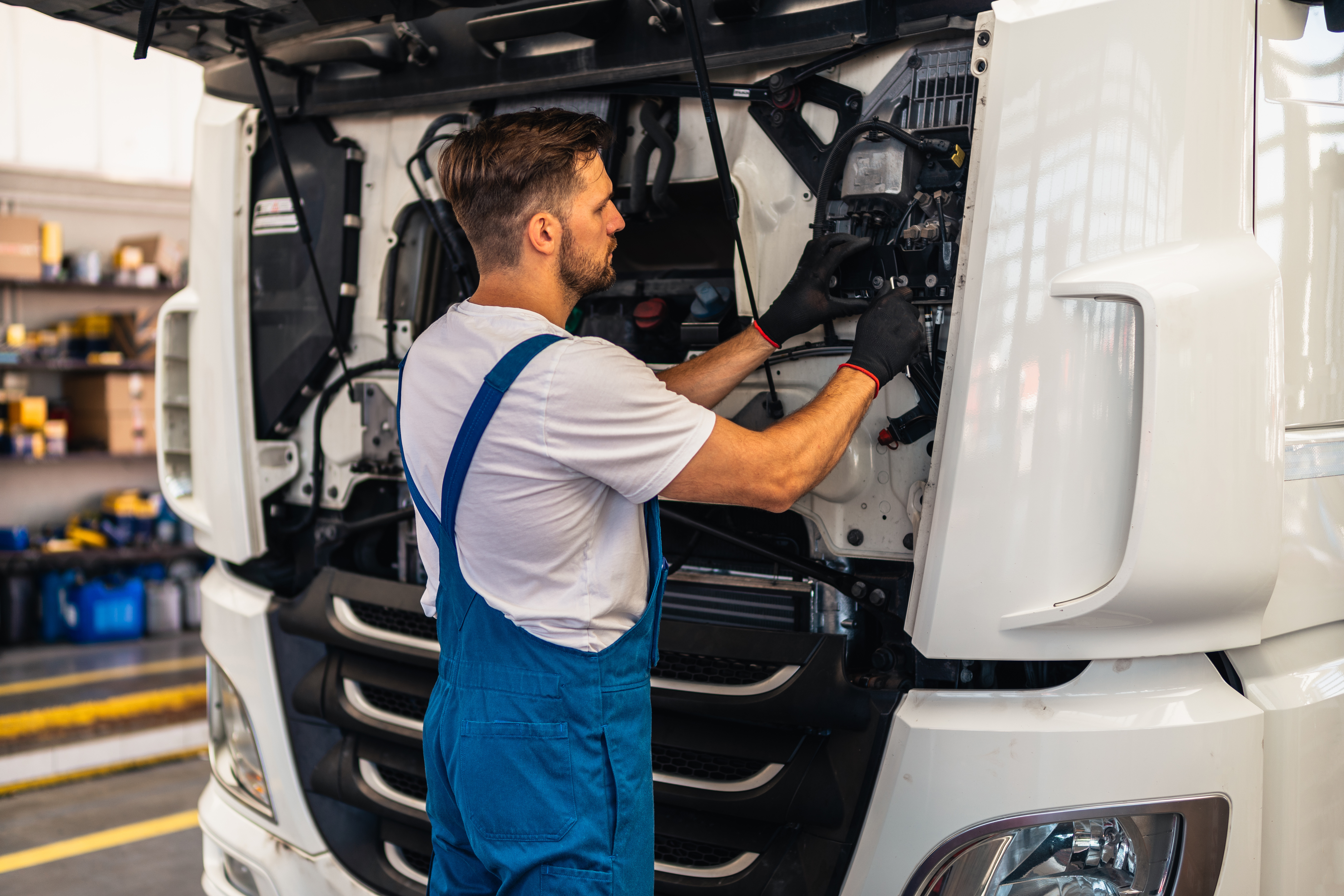
Today's fleet managers want vehicles and trailers that are easy to operate, straightforward to maintain, durable enough for demanding applications, and capable of staying productive over a long service life. Those expectations influence design decisions long before the first vehicle reaches a fleet.
Trends That Will Continue Shaping Truck & Trailer Manufacturing
Several developments are already changing the questions that OEMs must answer during design and production.
Connected diagnostics and predictive maintenance are giving fleets more information about equipment condition and creating opportunities to identify potential problems before they become major service events. Manufacturers will continue looking for ways to make equipment easier to monitor and maintain.
Electrification in vocational applications is changing vehicle architecture and creating new requirements around components, enclosures, access systems, thermal management, and serviceability. The underlying engineering challenge remains the same: integrate new technology without sacrificing reliability or usability.
Lightweight materials and adhesive bonding are creating new opportunities for manufacturers to manage vehicle weight and simplify assembly while maintaining the strength and durability required for commercial applications. New materials can also introduce different requirements for fastening, bonding, sealing, and corrosion protection.
Modular components and platforms can give manufacturers greater flexibility as customers demand more configurations and specialized equipment. Designing common systems that can be adapted across multiple applications can help balance customization with manufacturing efficiency.
Sourcing and inventory resilience will remain important. The supply chain disruptions of recent years reinforced the value of dependable sources, appropriate inventory levels, and supplier relationships that can respond when requirements change.
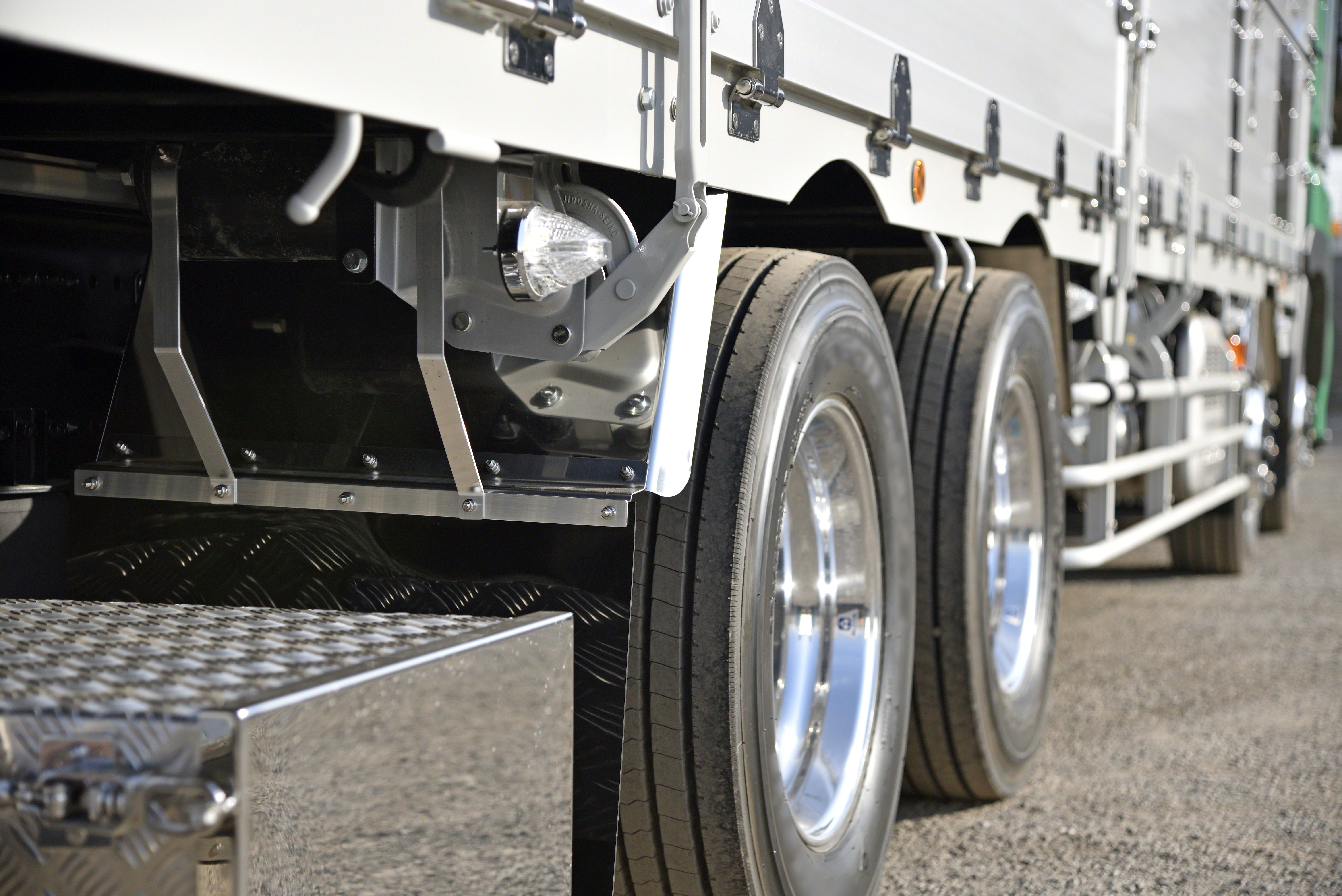
Building for What Comes Next
The challenges of the past several years have made OEMs more conscious of the relationship between efficient production, readily available components, the performance of equipment, and lifecycle cost.
A latch that is easier to install. A seal that provides better environmental protection. An adhesive that simplifies an assembly. Hardware that withstands years of exposure. An engineered solution that eliminates several production steps. An inventory program that keeps critical components available.
Austin Hardware supports truck and trailer OEMs with a broad portfolio of hardware, fasteners, lighting, gas springs, seals, adhesives, access hardware, and other components, along with engineering and inventory solutions designed around specific manufacturing needs. From individual components to custom engineered solutions and VMI/CMI programs, Austin works with manufacturers to address the practical challenges that affect production and equipment performance.
The truck and trailer industry will continue to evolve. For manufacturers, building smarter means ensuring that the components, engineering decisions, and supplier relationships supporting that evolution work toward the same goal: equipment that is efficient to build, dependable in the field, and valuable throughout its service life.