
First Responder Vehicle Storage & Organization
Posted by Austin Hardware on Oct 12th 2026
Keeping Emergency Vehicles Ready: The Importance of Organized Equipment Storage
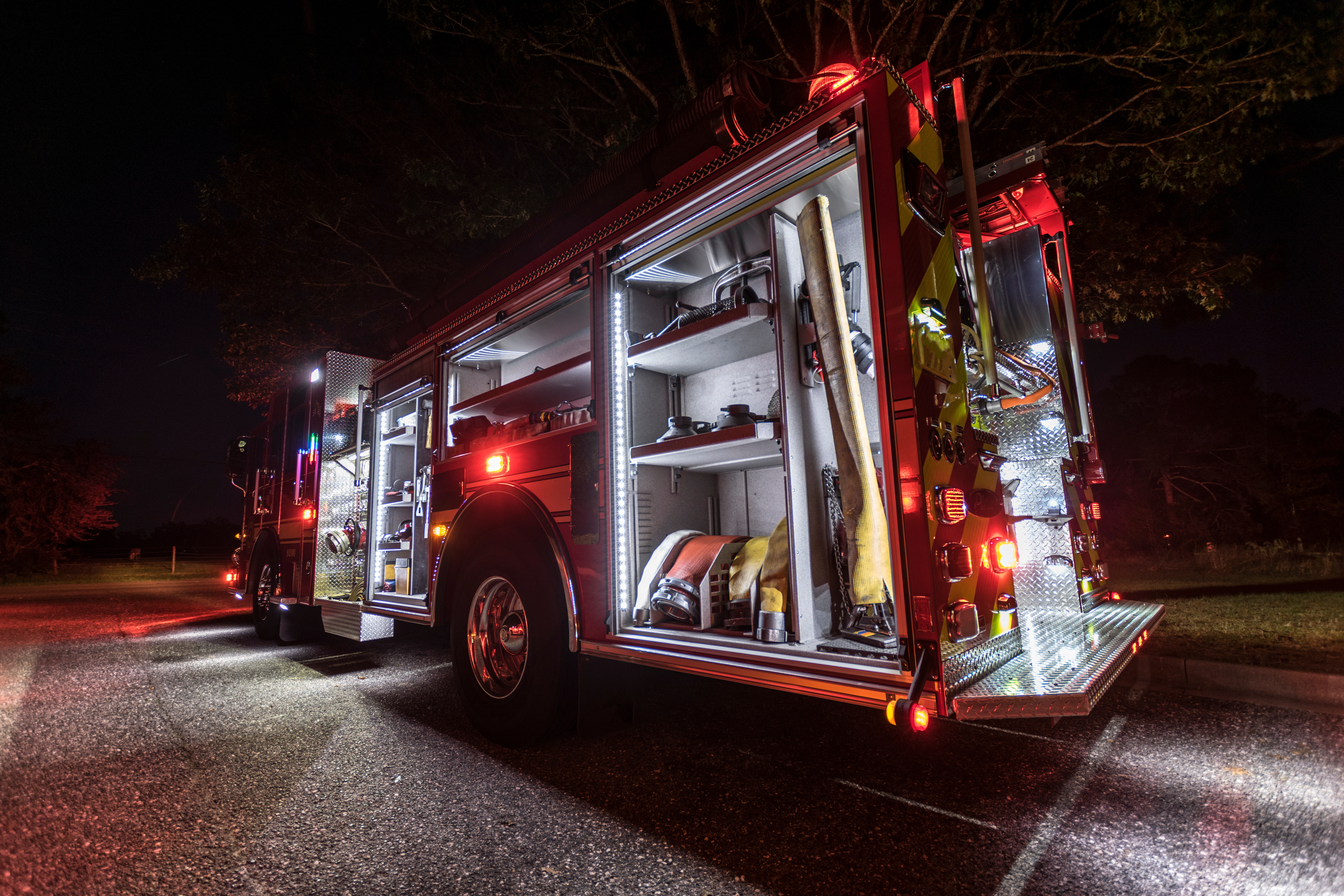
Emergency vehicles carry a wide range of equipment in limited space. Fire apparatus, ambulances, rescue vehicles, and other response vehicles must accommodate medical supplies, rescue tools, protective equipment, communication gear, and specialized equipment while keeping critical items accessible to the crews who use them.
When an emergency call comes in, there is little time to search for equipment or work around a poorly arranged compartment. Knowing where something is and being able to reach it quickly helps crews respond more efficiently, provide patients with the care they need, and, in critical situations, save lives.
That makes equipment organization part of the overall vehicle design. It is one of many details that can contribute to readiness, functionality, and a crew's ability to focus on the emergency in front of them.
National First Responders Day, observed October 28, provides an opportunity to recognize the firefighters, EMTs, paramedics, rescue personnel, and other professionals who depend on these vehicles and their equipment every day. It also offers a natural reminder of how thoughtful vehicle design can support their work.
Every Inch of Vehicle Storage Matters
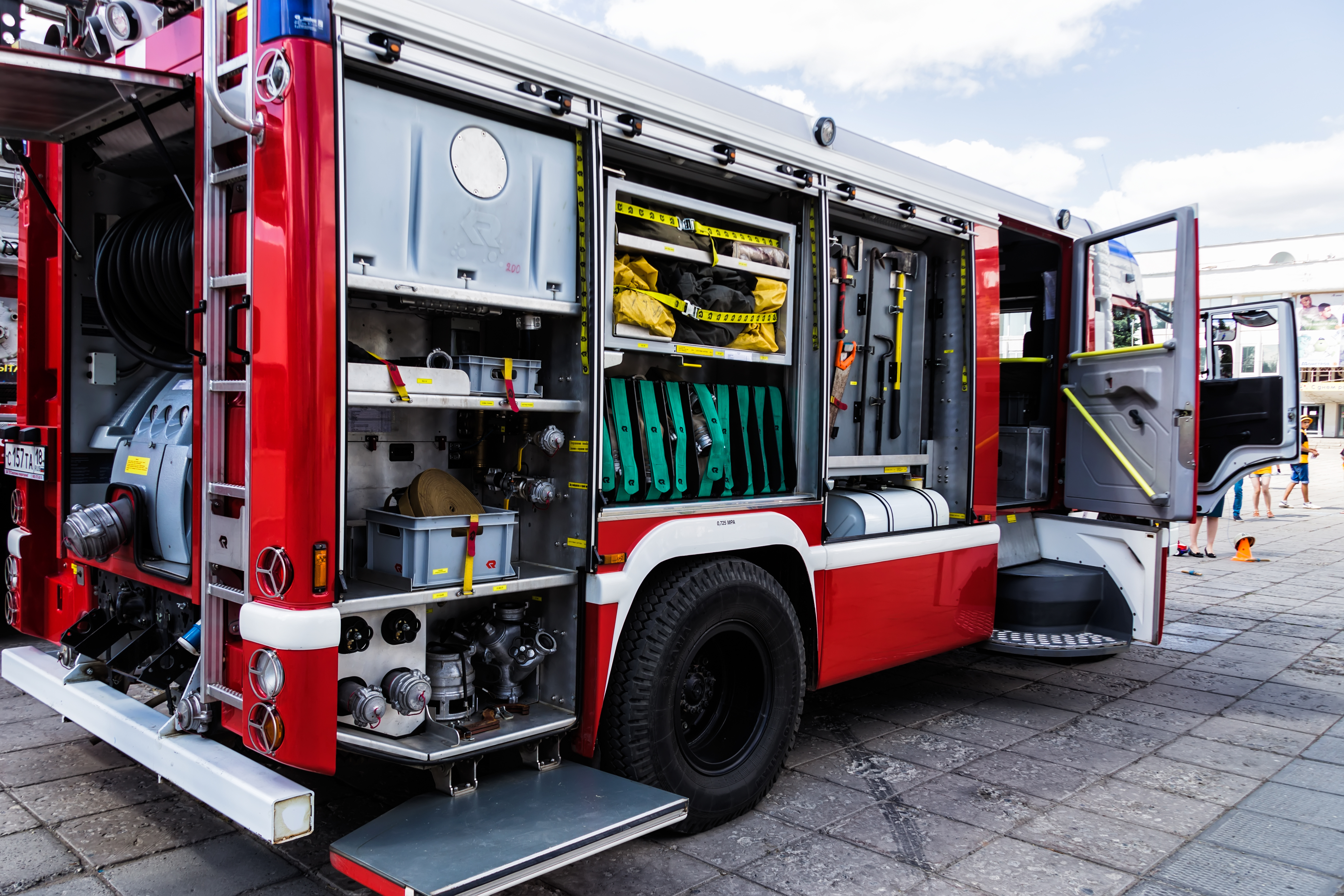
Space is at a premium in emergency vehicles. The equipment carried can vary considerably by vehicle, department, and response type, so available compartments must accommodate different combinations of tools and supplies.
That makes the way storage space is used just as important as the amount of space available.
Loose equipment can shift while a vehicle is moving. Smaller items can become difficult to locate when they are grouped together without a defined place. Items stored behind other equipment may also be harder to reach when time matters.
Effective storage works within the vehicle's existing layout and considers how the available space will actually be used. The objective is to make each compartment more functional without simply adding more places to put things.
Organization Starts with Accessibility
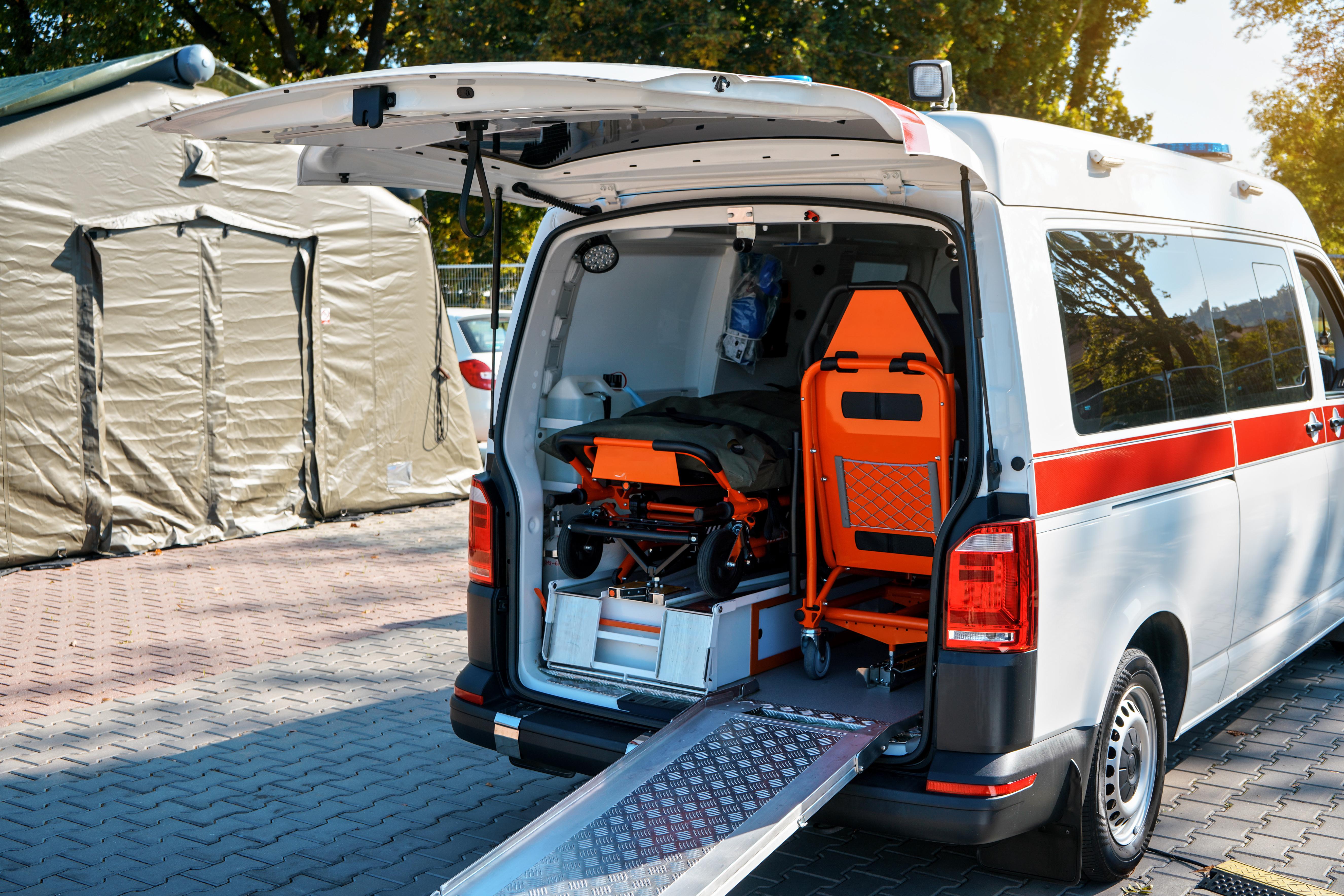
A well-organized compartment should make it easy to answer two questions: Where is the equipment, and how do I get to it?
Frequently used items should have logical locations based on how and when they are needed. Equipment should remain contained during transit, while the arrangement should still allow crews to retrieve individual items without unnecessarily disturbing everything around them.
This becomes particularly useful when multiple people operate the same vehicle. A consistent layout gives crews a familiar reference point and can reduce the need to search through compartments for commonly used supplies.
Small organizational improvements can also make previously overlooked areas more useful. Compartments don't need to be larger to be more functional. Sometimes the difference comes from using the available space more deliberately.
The result is a vehicle that can help crews spend less time looking for equipment and more time doing what they are there to do.
Designed for Emergency Vehicle Applications
For OEMs and vehicle upfitters, storage organization can be considered during the design process rather than addressed after the vehicle is built.
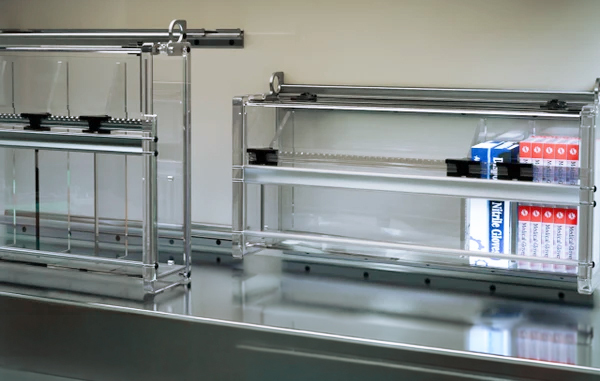
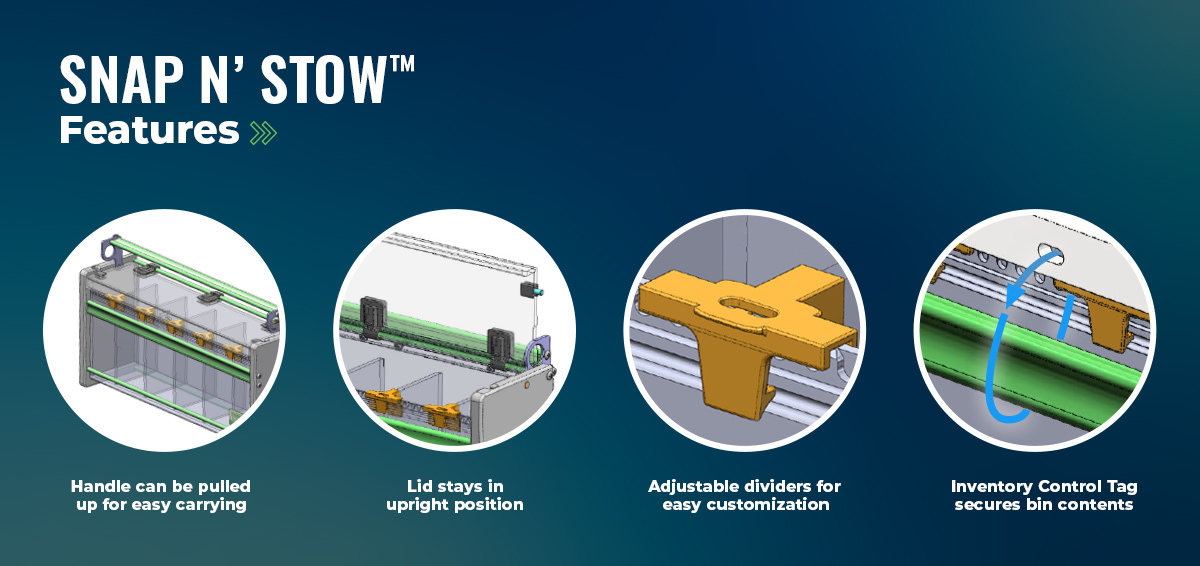
The LifeDefender™ Snap N Stow™ bin organizing system from Austin Hardware provides a practical way to organize equipment and supplies within existing vehicle compartments. In emergency vehicles, it can create accessible, contained storage while making practical use of available space.
The value comes from how the solution fits into the overall layout. Equipment can be arranged by purpose and frequency of use, creating a more consistent approach to compartment organization.
Snap N Stow can also be incorporated into Austin Hardware's LifeDefender™ cabinet security frames. Together, these solutions can contribute to a more organized and secure vehicle interior. Snap N Stow helps organize equipment, while LifeDefender cabinet security frames help protect equipment and the people inside the vehicle in the event of an accident.
Storage Design Should Start with the Equipment
Good storage design begins with the equipment itself. When designing or outfitting an emergency vehicle, OEMs and upfitters should consider several practical questions:
- What equipment needs to be stored?
- How frequently is each item accessed?
- Who needs to access it?
- Where is usable space available?
- Does the storage solution need to accommodate different equipment configurations?
- Can the layout be standardized across multiple vehicles?
The answers can help determine what type of storage makes sense and where it should be located. Equipment accessed constantly may require a different approach than supplies used less often. A vehicle carrying specialized rescue equipment may also have very different requirements from one primarily configured for medical response.
Standardization can be valuable as well. When equipment has a familiar location across multiple vehicles, crews can develop a consistent understanding of where items are kept. For OEMs and upfitters, building that consistency into the vehicle can create a more intuitive finished layout.
Ultimately, storage should support the way the vehicle operates. The best solution is one that considers the equipment, the available space, and the people who will rely on it.
Supporting the People Who Respond
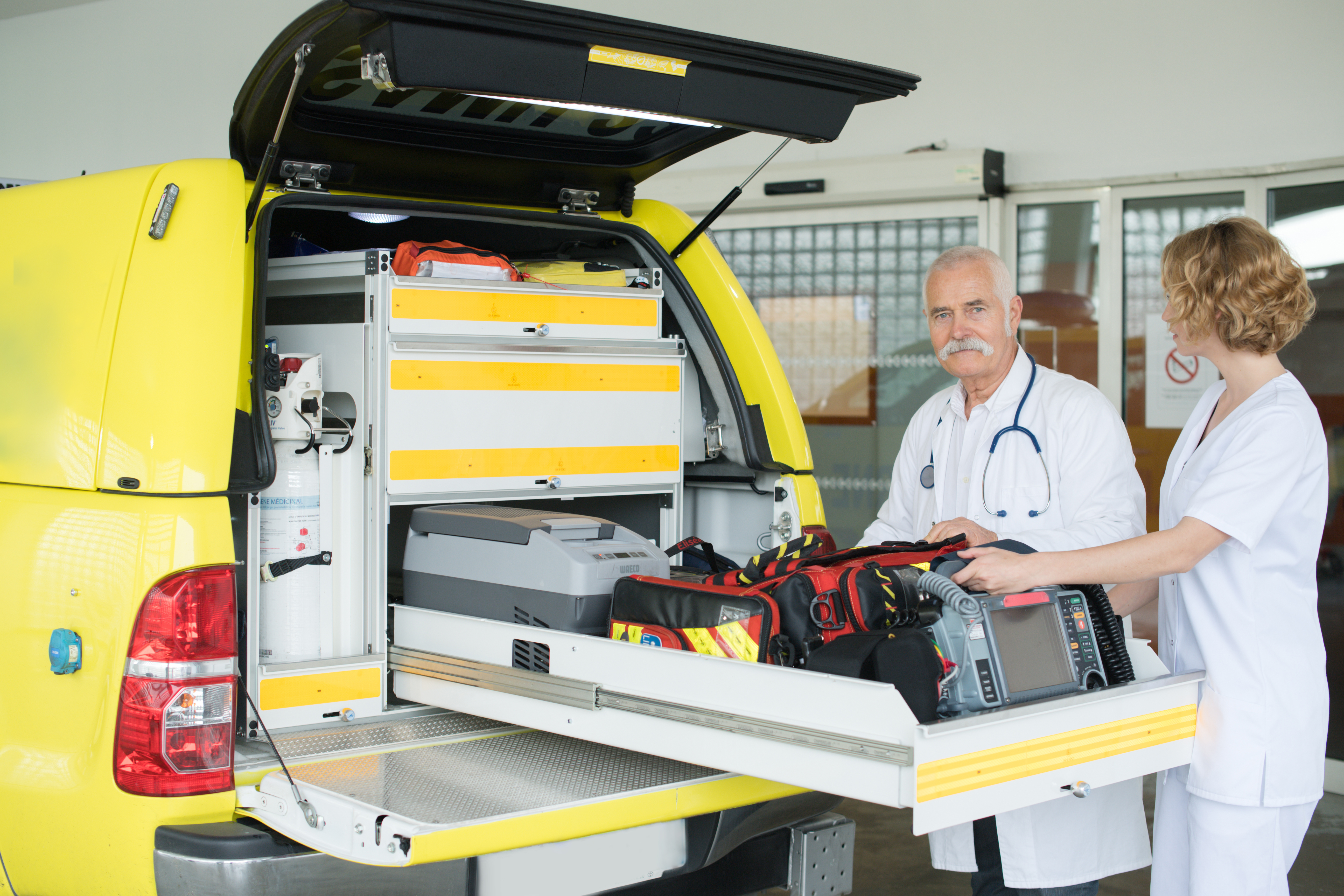
Every emergency vehicle is built around a purpose, and every piece of equipment carried inside it has a role to play. The people operating those vehicles need to rely on both.
Storage may seem like a small part of the overall design, but thoughtful organization can help make a vehicle easier to use, easier to maintain, and better prepared for the demands of emergency response. When those details help crews access the right equipment at the right time, they can ultimately support better patient care when it matters most.
National First Responders Day on October 28 is a fitting time to recognize the people who put these vehicles and their equipment to work every day. It also reminds us that readiness often comes down to many individual design decisions working together.
The right storage solution starts with understanding the equipment, the application, and the people who rely on it. Austin Hardware can help OEMs and vehicle upfitters develop practical solutions for organizing, securing, and protecting equipment in emergency vehicles.
Explore Snap N Stow™ and Austin Hardware's emergency vehicle solutions.