
Engineered Solutions vs. Off-the-Shelf Parts
Posted by Austin Hardware on Sep 21st 2026
What Differentiates an Engineered Solution from an Off-the-Shelf Part?
For many applications, an off-the-shelf component is exactly the right choice. Standard hardware can help manufacturers control costs, simplify sourcing, and keep production moving.
But what happens when a standard product creates extra assembly work, requires modifications, or doesn't quite meet the application's demands?
That's where engineered solutions can make a difference.
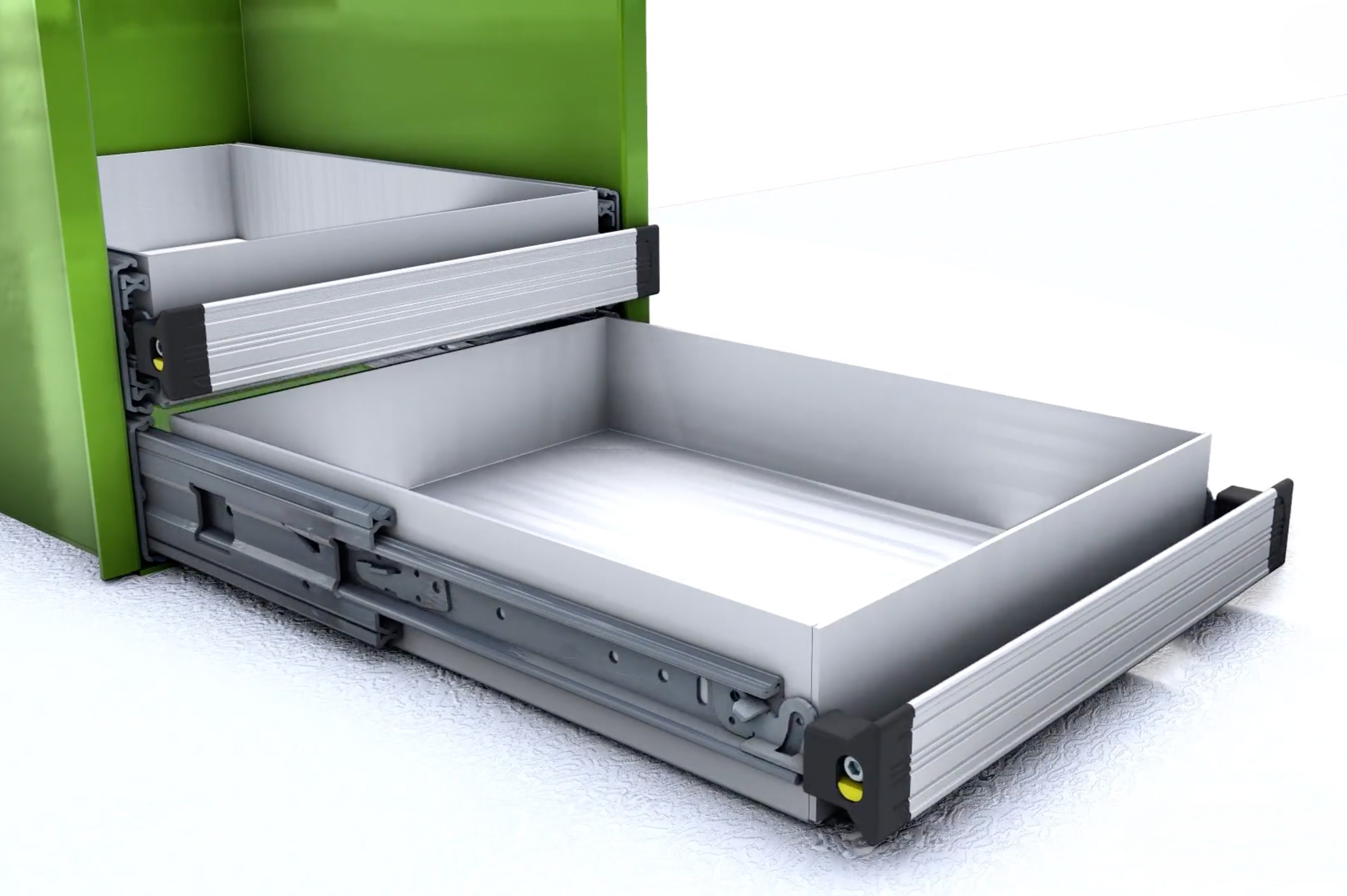
An engineered solution isn't simply a custom part. It is a product designed around a specific manufacturing, operational, or performance challenge. The goal may be to improve safety, simplify installation, make better use of available space, or increase long-term durability.
The key difference is simple: instead of adapting the application to an existing product, the solution is developed around the application.

Standard Parts Are Designed for General Applications
Off-the-shelf products are designed to serve a broad range of industries and applications. That makes them practical for many manufacturing environments.
They offer several advantages, including:
- Immediate availability
- Proven performance
- Lower upfront cost
- Standardized specifications
- Easy replacement
For many builds, those benefits make a standard component the best choice.
Austin Hardware has supported manufacturers with proven off-the-shelf products for more than six decades, building long-standing relationships with key supplier partners along the way. Those relationships give customers access to established products from manufacturers with proven capabilities and performance.
The limitation is that a product designed for many applications may not fully optimize any one of them. As an application becomes more specialized, those compromises can become more noticeable.
When Standard Components Reach Their Limits
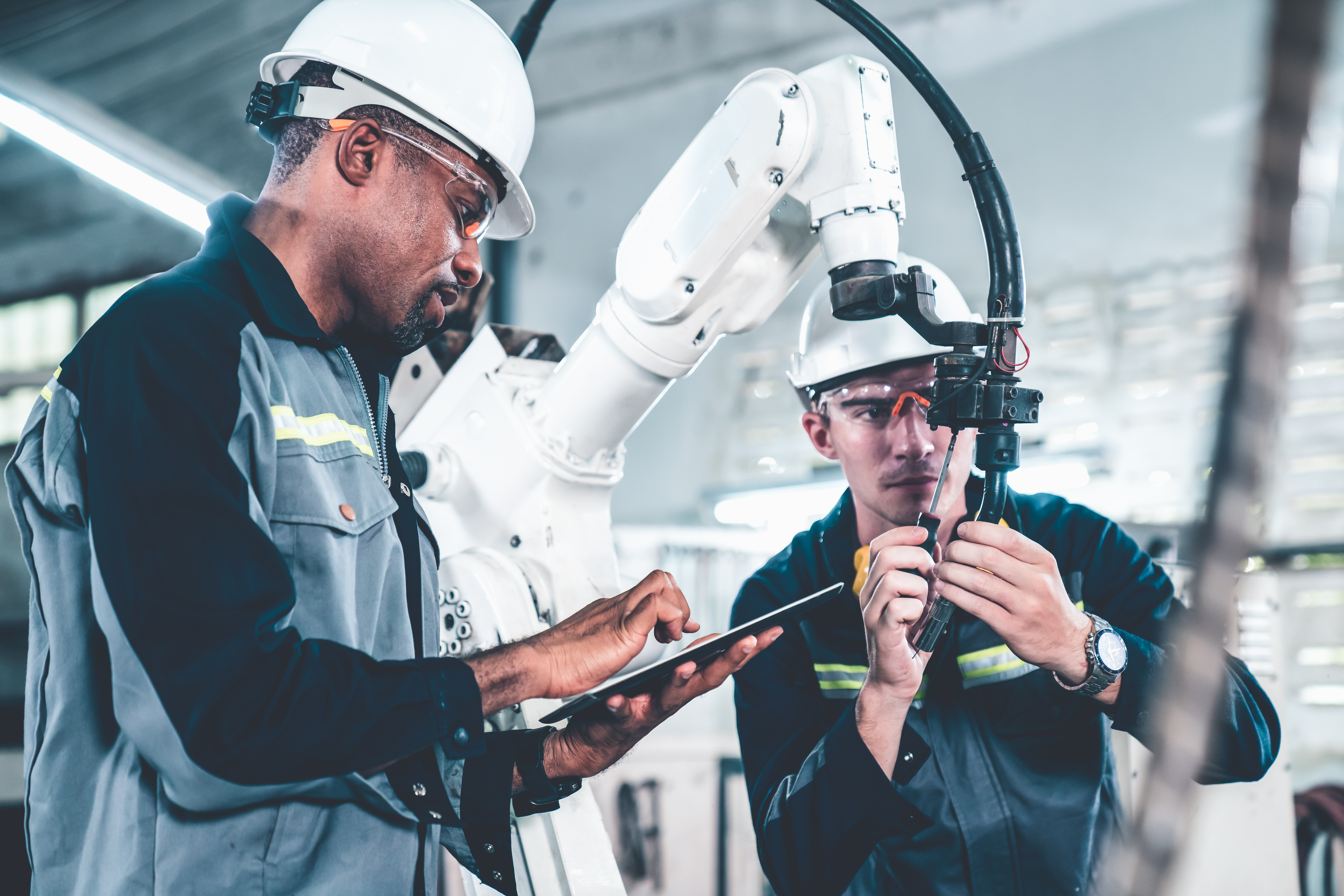
A standard component can meet the basic requirements of an application and still create challenges elsewhere in the manufacturing or operating process.
- Assembly: If installers need to drill holes, fabricate brackets, modify components, or complete additional steps, production time and labor costs can increase.
- Space: Vehicle interiors, equipment compartments, and other compact applications often leave little room for components designed around more general requirements.
- Safety: Applications involving frequent operator interaction, emergency equipment, or cargo management may require greater attention to ergonomics and controlled operation.
- Durability: Vibration, moisture, road salt, chemicals, and heavy daily use can place demands on components that general-purpose products were never designed to withstand.
When these issues begin affecting production or product performance, an engineered solution may make more sense.
What Makes an Engineered Solution Different?
Engineered solutions begin with the application rather than the product.
Instead of asking, "Which existing part can we make work?" the engineering process starts by defining the problem and understanding the requirements.
That means asking practical questions:
- How can this be easier to install?
- How will it be used?
- How can it perform longer?
- How can operators use it more safely?
- How can production time be reduced?
Engineering teams may evaluate available space, weight, materials, environmental exposure, manufacturing processes, maintenance requirements, and expected service life as part of that process.
That doesn't necessarily mean designing an entirely new product. Engineering may involve modifying a proven component, combining existing products, changing materials or interfaces, or developing something entirely new.
In many cases, the most effective solution builds on an already proven component with an application-specific revision. What matters is developing the most practical solution for the specific application and the people who will build, maintain, and use it.

What Makes Engineering Successful?
A well-designed engineered solution does more than make a component fit. It addresses the underlying problem and considers how the solution will function within the larger system.
That means looking beyond the individual part. How does it affect assembly? How will it interact with surrounding components? What will maintenance look like? How will it perform over time? And what will the end user experience?
This broader perspective can help engineers identify opportunities to solve multiple challenges with one design. A change intended to improve ergonomics, for example, may also simplify installation. A material change may reduce weight while improving durability.
Good engineering also considers the product's life cycle. Reliability, maintenance, wear, environmental exposure, and replacement requirements can all influence whether a solution delivers value over time.
The goal isn't to make a product more complicated. It is to develop a solution that works better within the application without complicating the manufacturing process.
Real-World Examples from Austin Engineered Solutions®
Austin Hardware's Austin Engineered Solutions® portfolio includes products developed around specific challenges faced by OEMs and end users.
Safe Assist™ Ramp Assist: Designed to reduce the effort required to operate heavy trailer ramp doors, with an emphasis on ergonomics, safety, and controlled operation.
LifeDefender™ Cabinet Security Frames: Developed to help secure critical equipment within emergency vehicles while helping minimize movement during operation.
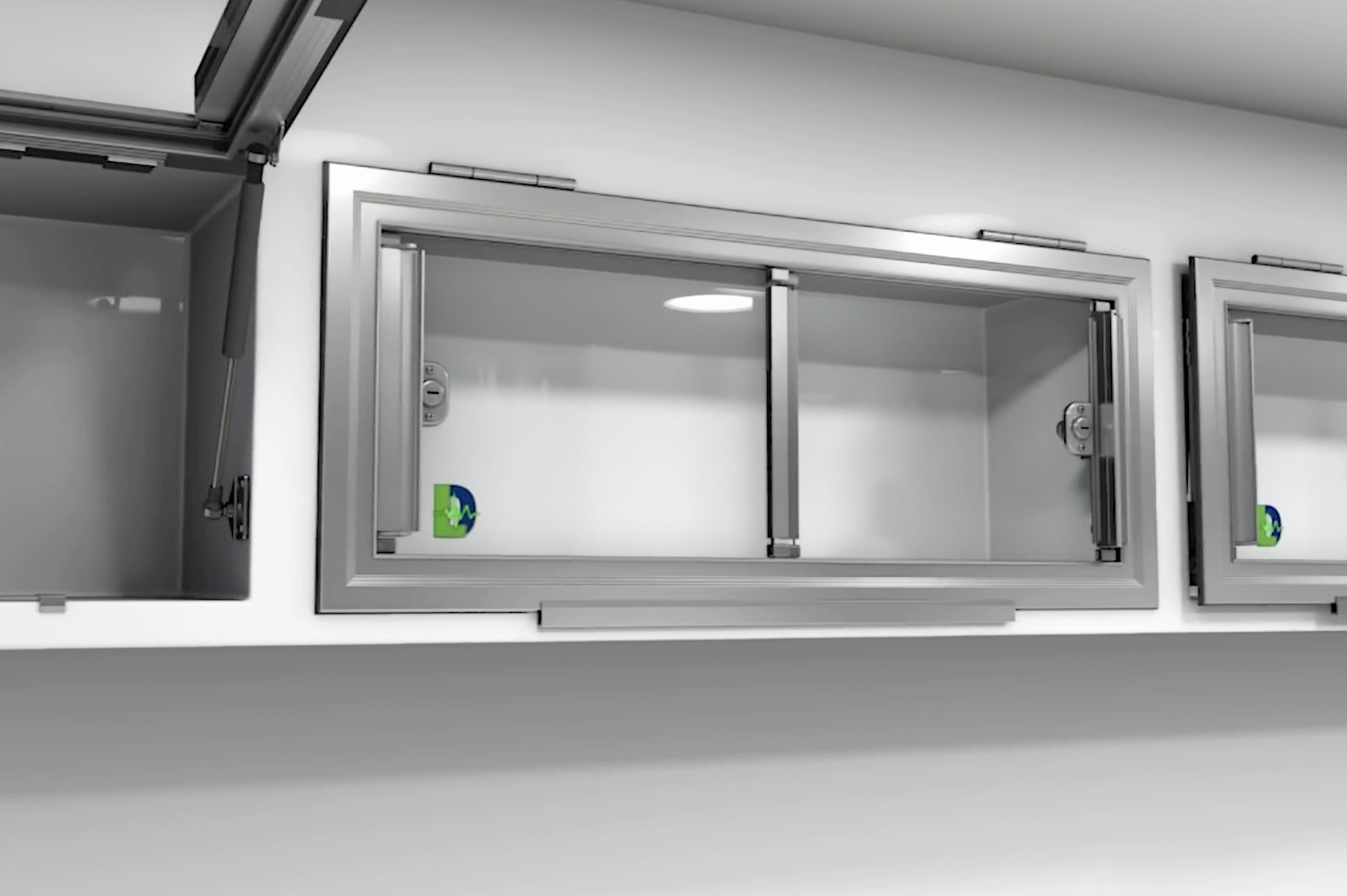
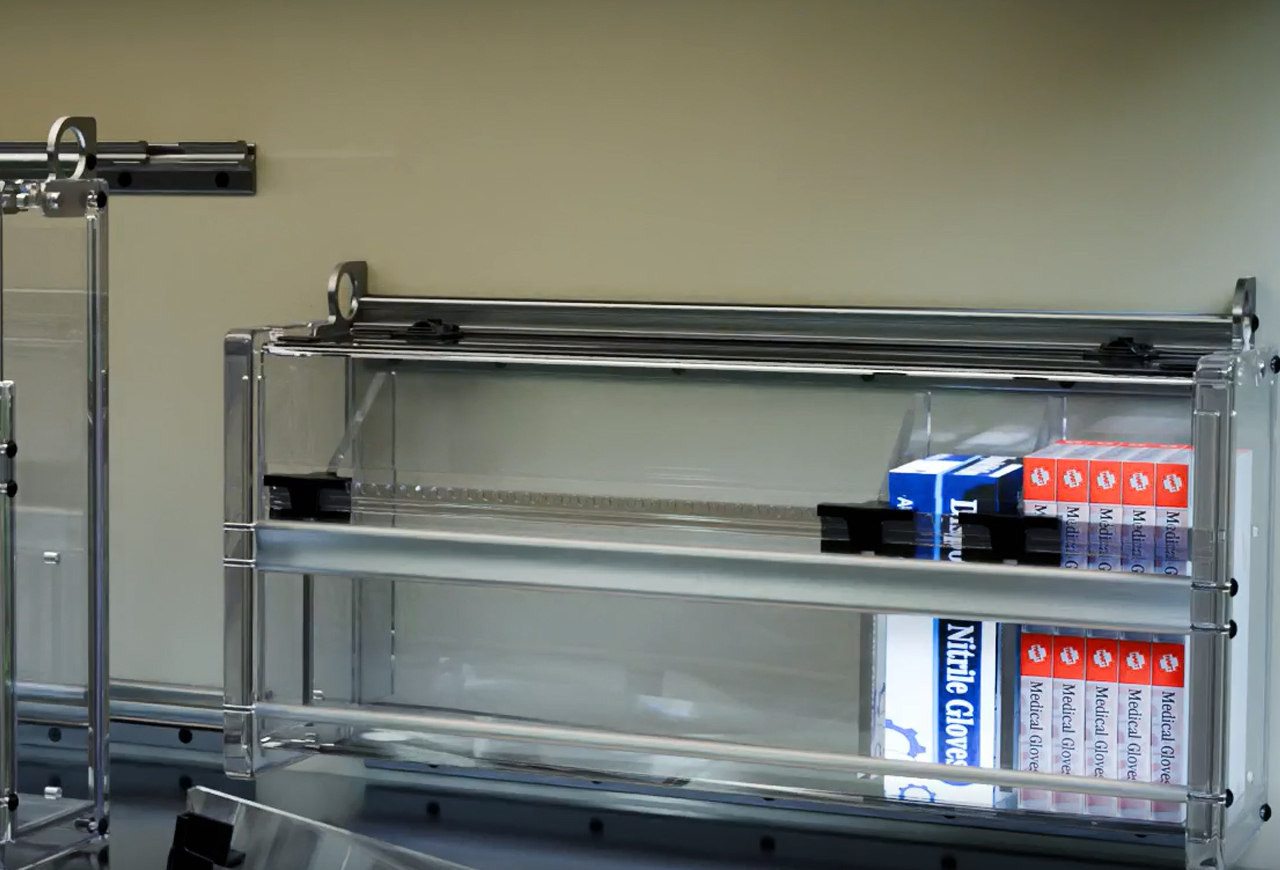
LifeDefender™ Snap N' Stow™ Bin Organizers: Designed for emergency vehicles where equipment organization, accessibility, and efficient use of limited space are important.
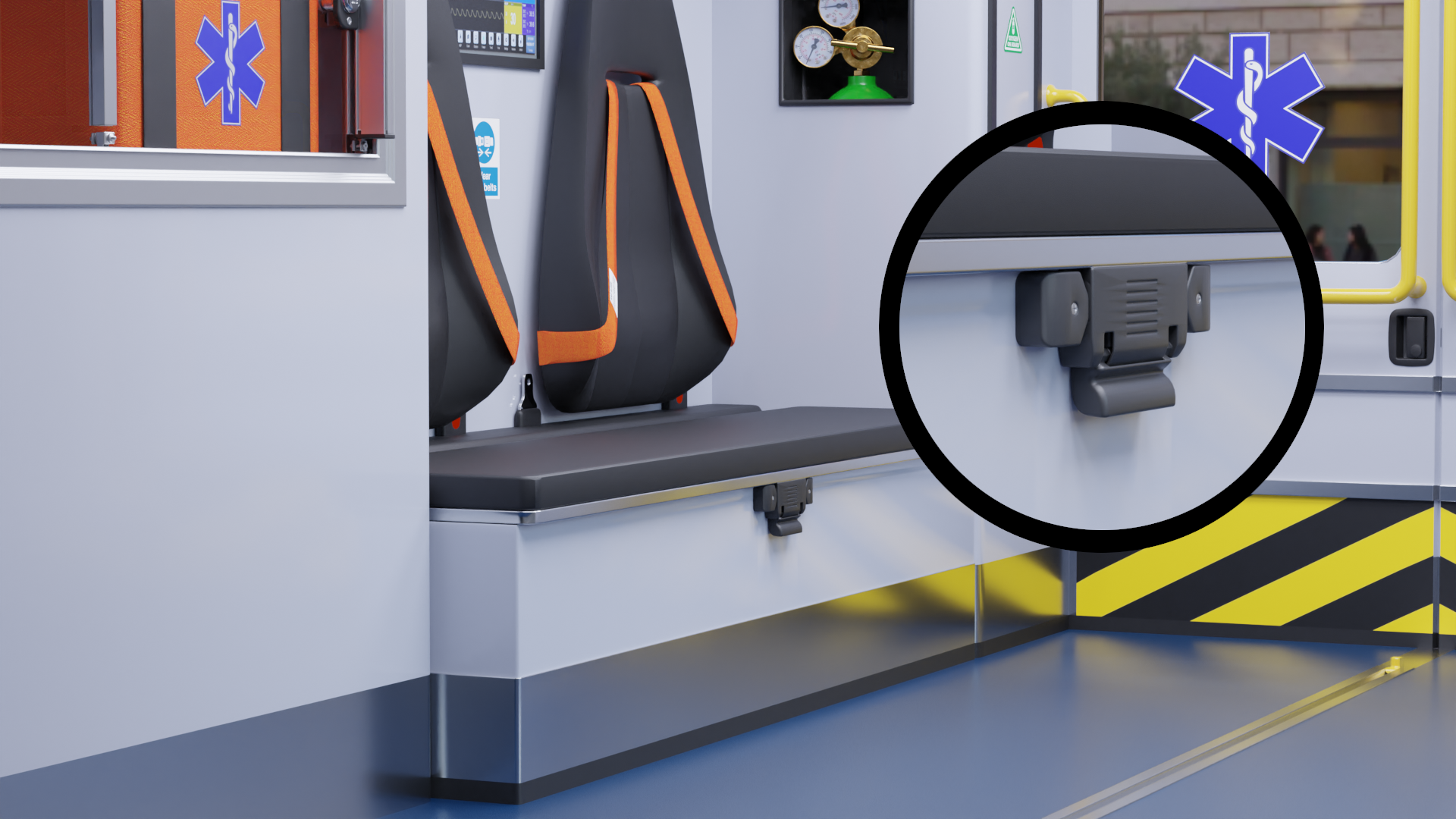
Squad Bench Latch: Designed for ambulances and emergency vehicles to allow easy installation and safe, convenient one-hand operation while the vehicle is in motion.
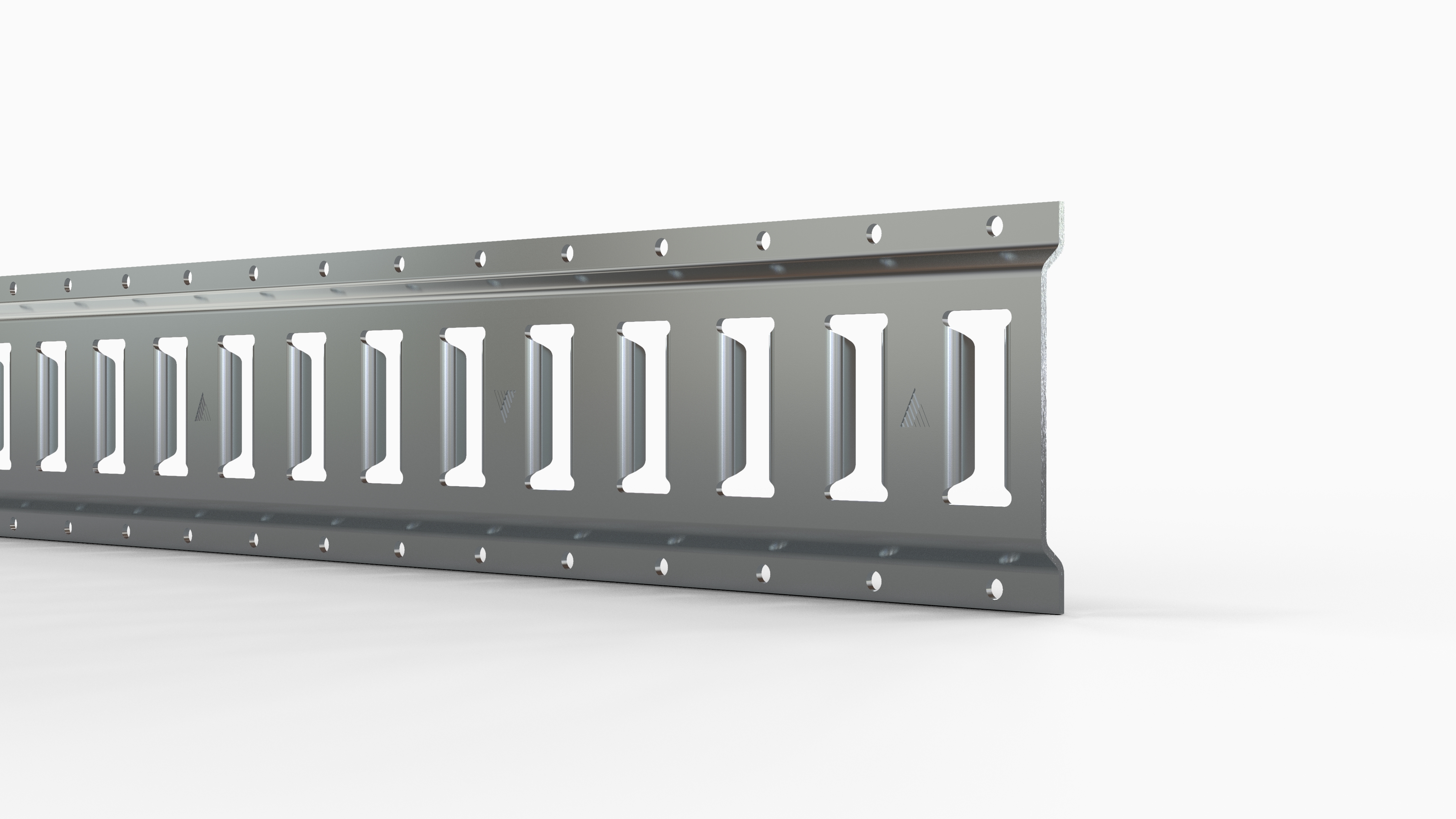
Austin Cargo Track Systems: Engineered cargo securement solutions designed to provide flexibility for changing load configurations.
Each addresses a different application challenge, but the underlying approach is the same: understand the need and develop the product around it.
At Austin Hardware, that engineering capability complements our role as a trusted supplier of standard hardware and components. Our long-standing supplier relationships give customers access to proven products when an off-the-shelf solution is the right fit. When a standard component leaves a gap, our engineering capabilities provide another path forward.
That process can begin with an existing product, a manufacturing challenge, or a new concept. By working alongside customers from concept through production, Austin Hardware can help identify opportunities to improve both manufacturing efficiency and product performance.
Facing a Unique Design or Manufacturing Challenge?
Austin Hardware's engineering team develops practical solutions that help OEMs improve safety, simplify assembly, optimize performance, and solve application-specific challenges.
Contact our team to learn how Austin Engineered Solutions® can support your next project.