
Designing Industrial Access Panels
Posted by Austin Hardware on Oct 21st 2026
Designing Industrial Access Panels for Manufacturing, Maintenance and Service
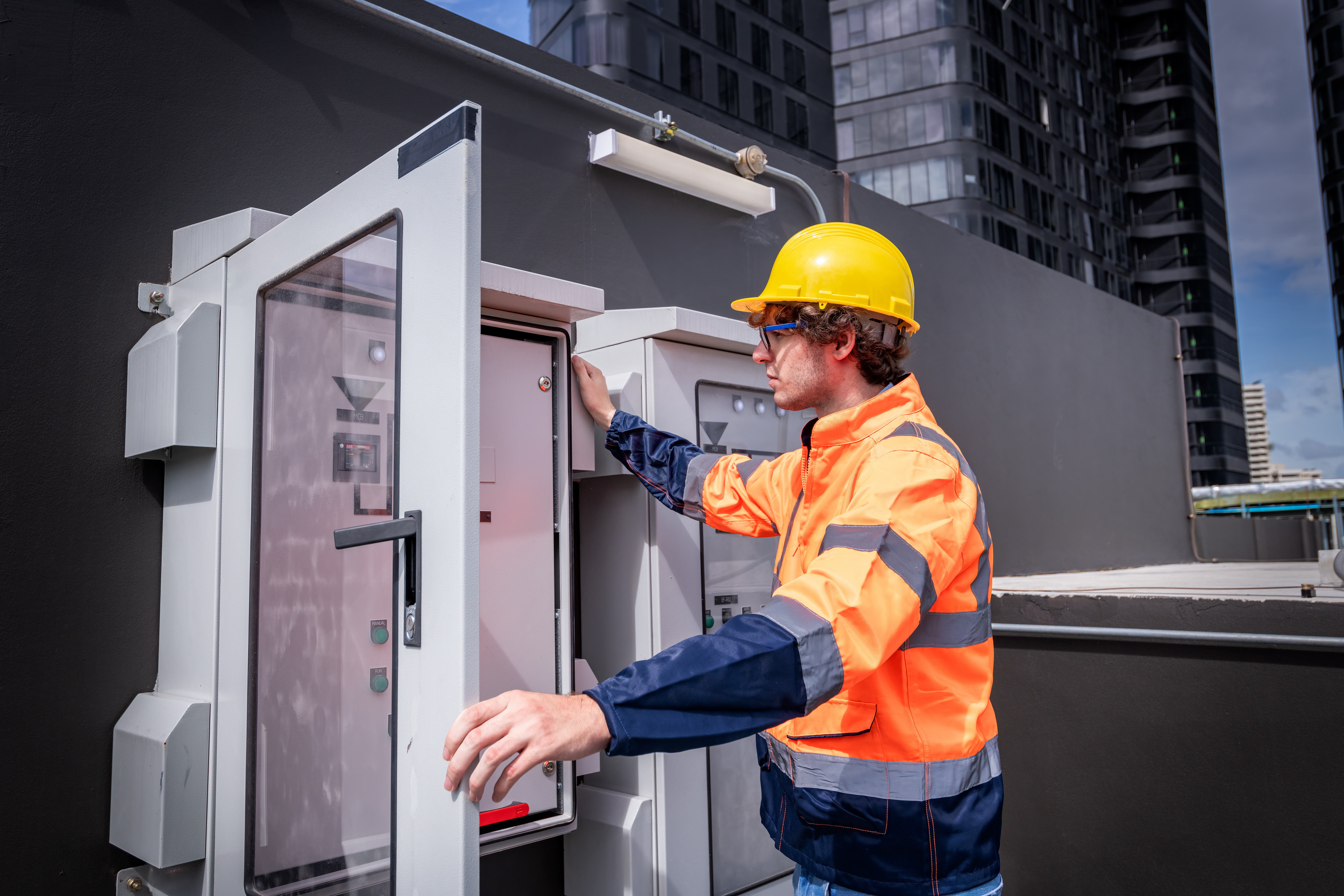
Industrial access panels are a common feature on manufacturing equipment, industrial enclosures and fabricated assemblies. They provide the means for reaching components for inspection, adjustment, maintenance, and repair without requiring access to the entire machine or enclosure.
For the person using the equipment, a well-designed panel should be straightforward. Find the handle, operate the latch, open the panel, and get to work. The components behind that simple interaction are more involved. Hinges control movement and alignment. Gas springs or door holders can support the panel. Gaskets and seals help protect the equipment inside.
Good access-panel design brings all of these elements together around the job the panel needs to perform. That means considering the user first, then designing the hardware, manufacturing process, and service requirements around that experience.
Start With the Access Experience
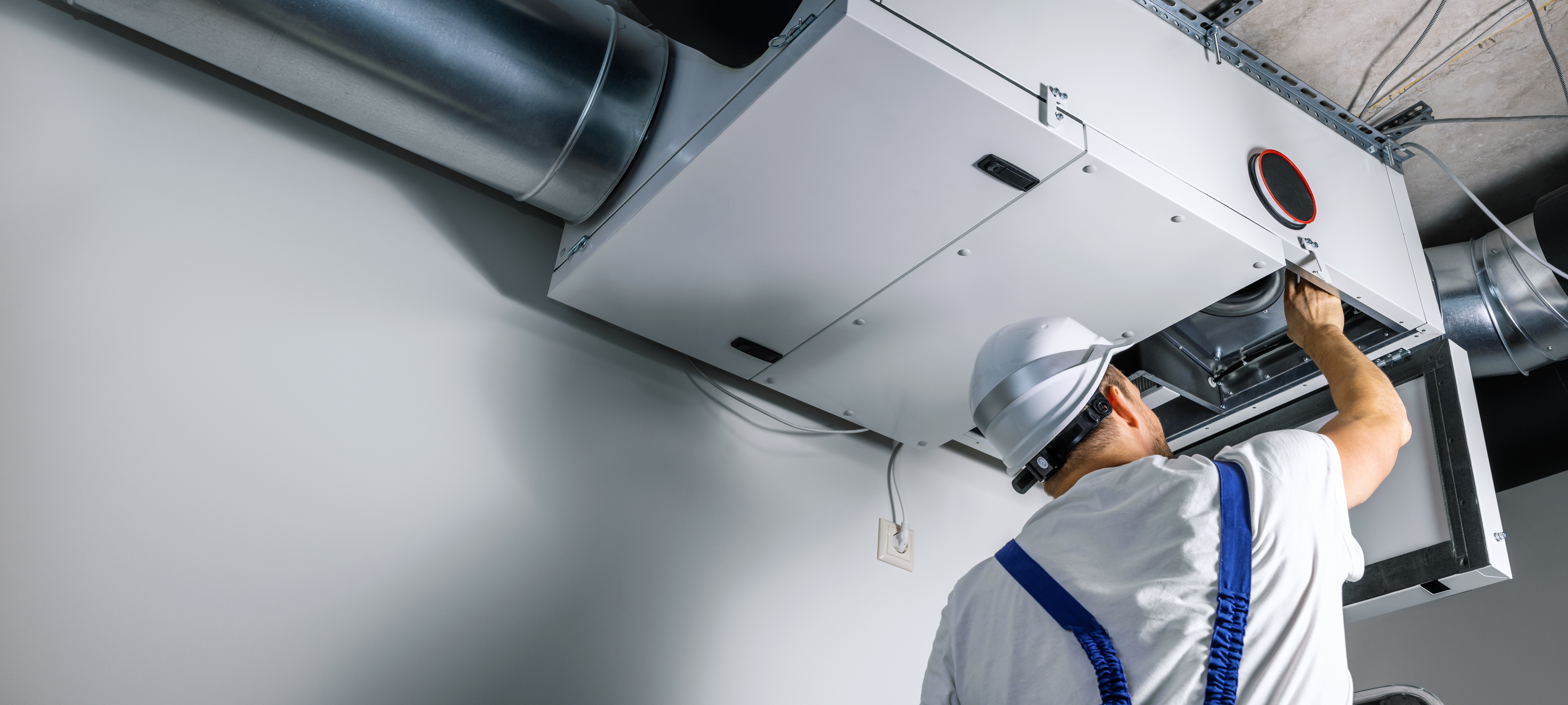
The first question when designing an access panel should be simple: What does the person using this panel need to accomplish?
A panel an operator uses several times a day may require different hardware than one a maintenance technician opens occasionally. The operating environment, required access, and available space can also change the design.
Think about who will use the panel, how often they will open it, and what they will need to do once it is open. A technician working in a tight enclosure may need a larger opening and more clearance than an operator performing a quick adjustment. If gloves are common, the handle and latch should be easy to operate with them. If the equipment is subject to vibration, the closed panel needs reliable retention.
These requirements establish the foundation for the rest of the access-panel design.
Make Opening the Panel Simple and Predictable
The handle and latch are the hardware the user interacts with most directly. Their job is to make the panel easy to open when access is needed and secure when it is closed.
The handle should provide a comfortable, reliable grip and be positioned where the user can reach it without interference from surrounding equipment. Operating force, available clearance, and gloved operation may all influence the appropriate configuration.
The latch has to provide dependable retention while remaining practical to operate. Some applications also require compression to maintain contact with a gasket or seal, while others may require locking or controlled access to internal components.
These decisions should be considered together. A handle that is easy to grip does little good if the latch requires excessive force, and a latch that provides excellent retention may still be a poor choice if the intended user finds it difficult to operate.

Design What Happens After the Panel Opens
Once the latch is released, the panel needs to move predictably and provide adequate access to the equipment behind it.
Hinges play an important role in that process, even though the user may rarely think about them. The panel size and weight, required opening angle, available clearance, and mounting configuration all influence hinge selection. Depending on the application, lift-off, continuous, concealed, or other hinge configurations may be appropriate.
Heavier panels may also benefit from gas springs or other support hardware. These components can reduce the effort required to open a panel and help control its movement. Door holders can keep the panel securely open when technicians need both hands free to work.
The objective is a panel that opens far enough to provide useful access, moves in a controlled manner, and stays safely out of the technician's way.
Protect the Equipment When the Panel Is Closed
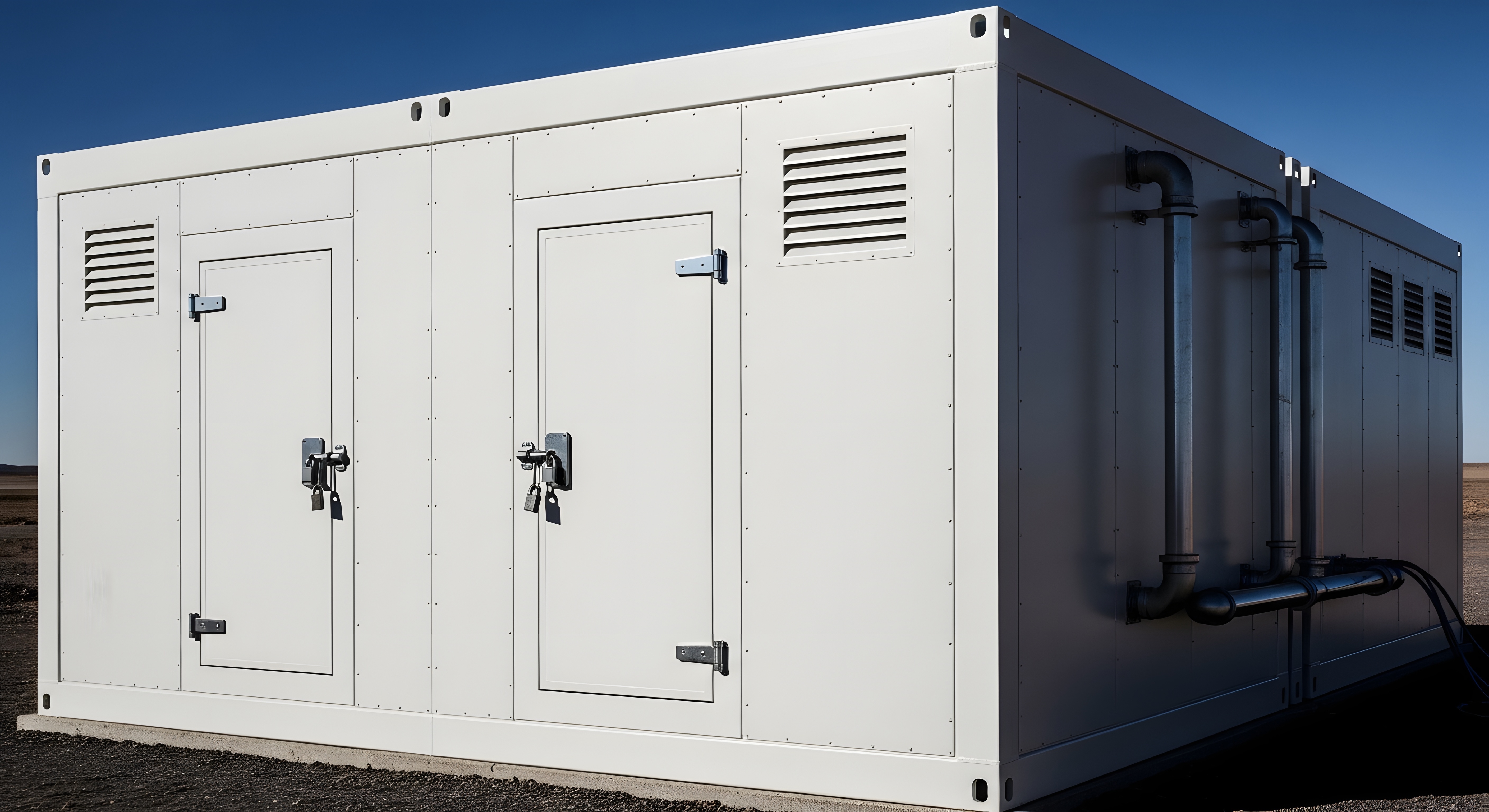
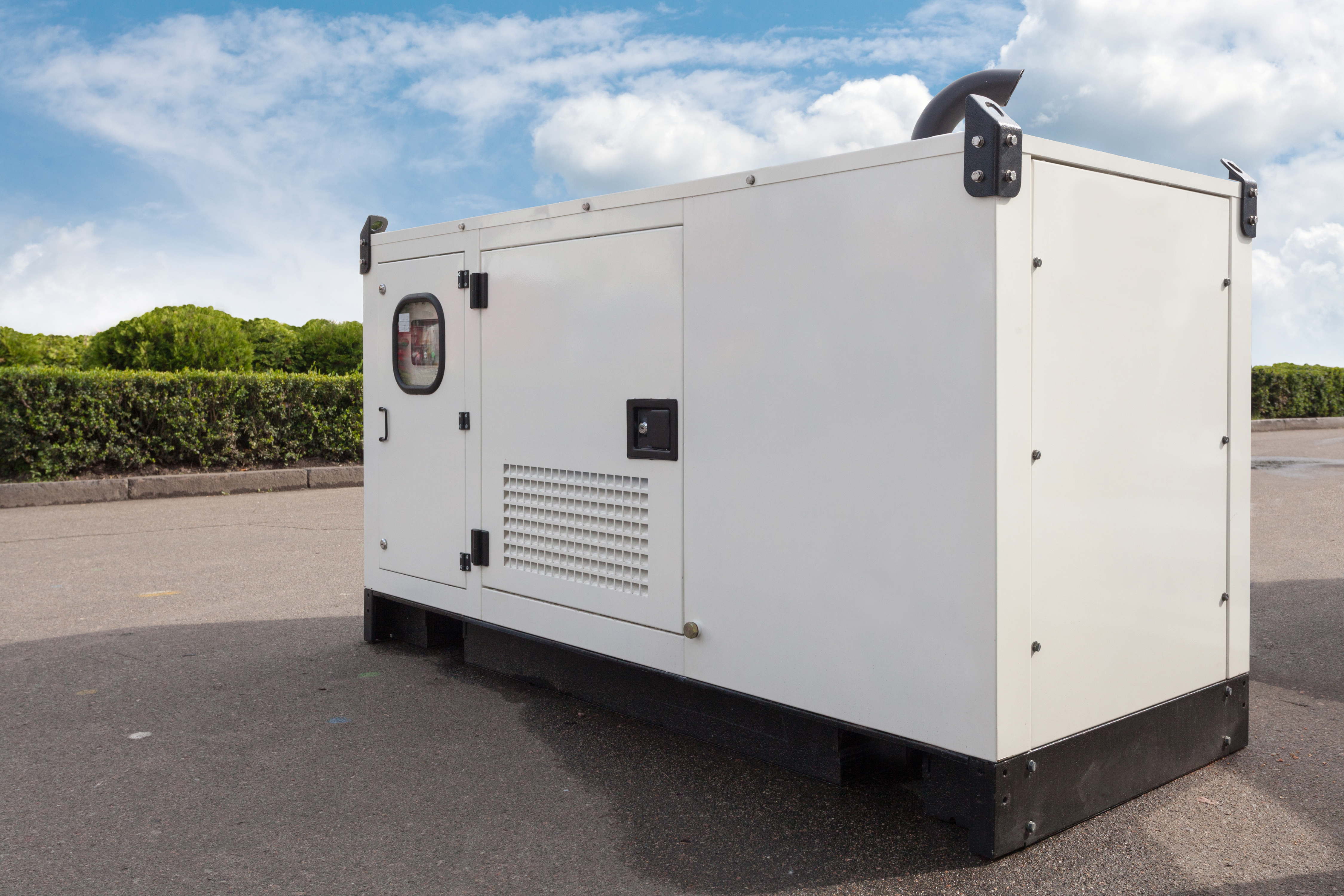
When the panel is closed, the hardware takes on a different role. The goal shifts from providing access to maintaining the enclosure or equipment's intended level of protection.
Gaskets and seals help keep water, dust, and other contaminants out of internal components. Achieving consistent sealing depends on more than simply selecting a gasket. Panel construction, latch placement, hinge location, and perimeter compression all contribute to the result.
This is another reason to approach industrial access panel hardware as a system. The latch, hinge, and seal need to work together to maintain consistent closure and compression throughout the panel's service life.
Design for the Service Event
An access panel exists because someone will eventually need to get inside. Designing for serviceability means thinking beyond whether the panel can physically be opened.
Consider the actual maintenance task by asking questions such as:
- Is the opening large enough for the technician and the tools required?
- Can the necessary components be reached without removing unrelated parts?
- Does the panel stay securely open while work is being performed? If the panel needs to be removed completely, can a technician do so without an unnecessarily complicated procedure?
Long-term serviceability also matters. Hardware will eventually wear, and components may need replacement. Consider access to mounting points, expected opening cycles, and the availability of replacement components during initial equipment design.
A few minutes spent evaluating these questions during design can prevent much larger frustrations once the equipment is in the field.
Build Manufacturing Requirements Into the Design
The best access panel design also has to work on the production floor.
Evaluate hardware installation as part of the overall assembly process. Consider whether assemblers can reach the mounting points, whether tools can be used in the available space, and whether components require adjustments after installation.
Standardization can also simplify production. Where application requirements allow, using common hardware across equipment models can reduce the number of unique components that purchasing, assembly, and service teams need to manage.
The objective is a design that can be assembled consistently and efficiently without sacrificing the performance expected in the field.
When Standard Hardware Doesn't Fit the Application
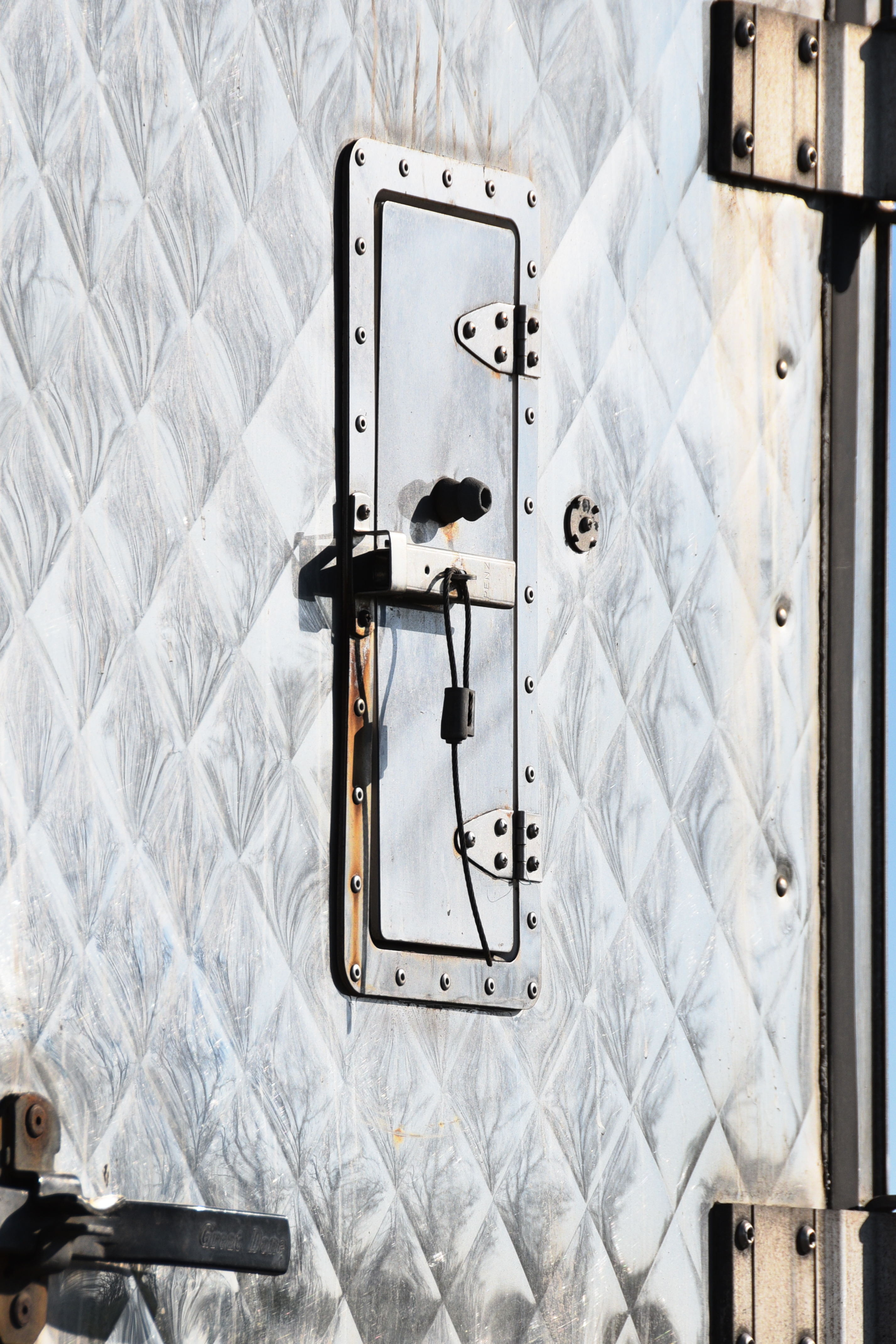
Most access-panel requirements can be addressed with standard industrial hardware, but some equipment designs create challenges that require a different approach.
Limited mounting space, unusual panel geometry, higher loads, demanding environmental conditions, sealing requirements, or production constraints may make a standard configuration difficult to use effectively.
In these situations, standard hardware can often serve as a starting point for a modified or engineered solution. Involving an experienced hardware supplier early in the design process can help identify alternatives before the panel design becomes difficult or expensive to change.
Design the Panel Around the Person Who Uses It
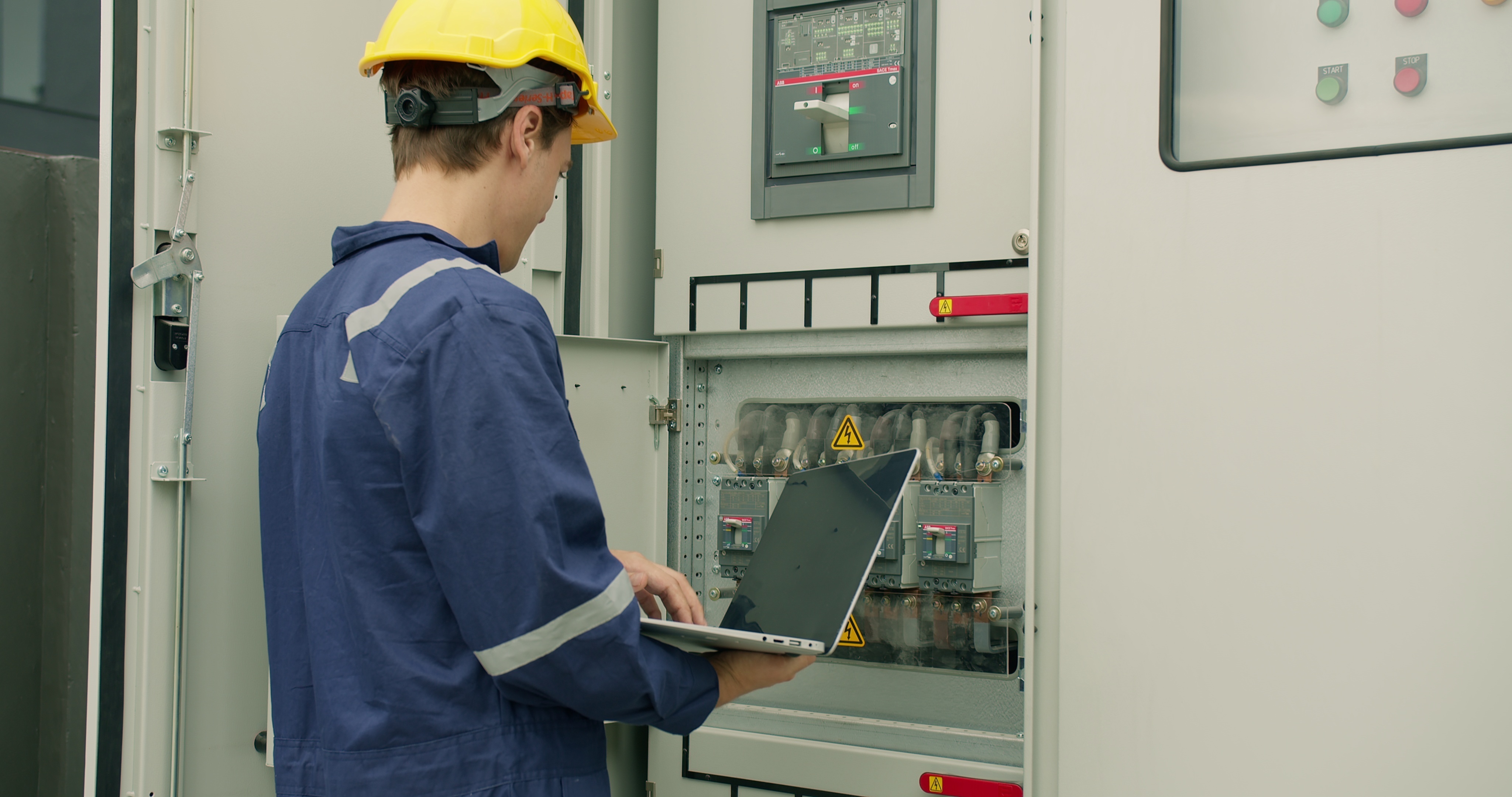
The best industrial access panels make their complexity disappear for the person using them.
The handle and latch should make access intuitive. The hinges should allow the panel to move as intended. Gas springs or door holders should support it when necessary. Gaskets and seals should protect the equipment without requiring the user to think about them. The entire assembly should also be designed so maintenance personnel can reach what they need when service is required.
That balance between operation, protection, manufacturing, and serviceability is what turns a simple panel into a well-designed access system.
Making those decisions early can help OEMs avoid unnecessary production challenges, difficult service procedures, and hardware compromises later.
Need help selecting hardware for an industrial access panel? Austin Hardware provides industrial hardware, components, and engineered solutions for OEM design and production applications. Our team can help evaluate application requirements and identify components for your equipment or enclosure.