
Designing Food Trucks for Faster Service and Better Workflow
Posted by Austin Hardware on Jun 30th 2026
Designing Food Trucks for Faster Service and Better Workflow
The most successful food trucks aren't just known for great food. They're known for consistently serving high-quality meals quickly, even during the busiest lunch rushes and festival crowds.
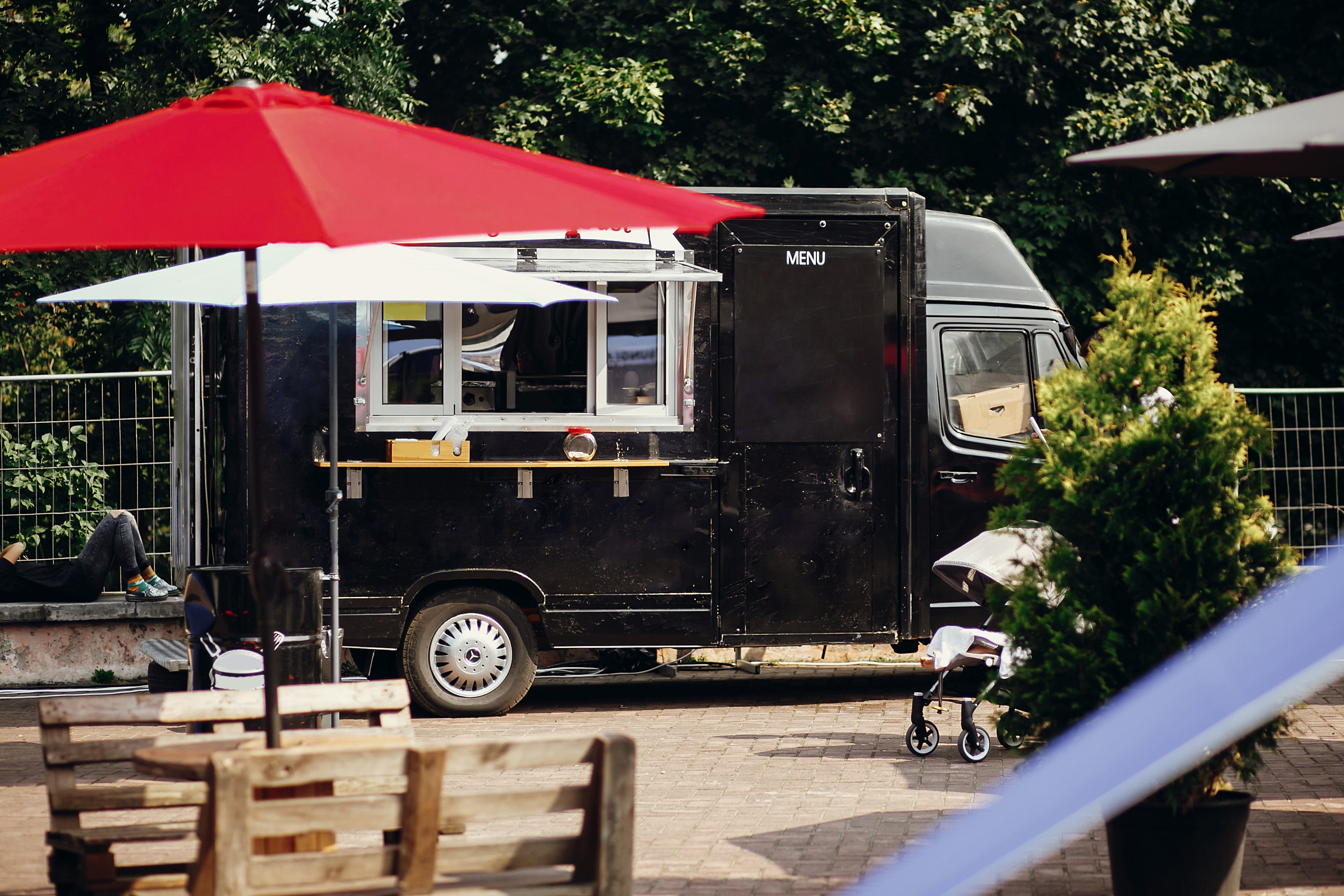
Whether serving lunch crowds downtown, operating at festivals, or handling high-volume catering events, food truck operators face the common challenge of maximizing productivity within a very limited workspace. Every movement matters. Every extra step costs time. Every awkward reach or difficult-to-access storage compartment can slow service down, making customers think twice about returning.
While menu design and staffing get the lion’s share of a food truck owner’s attention, the mobile kitchen design plays a major role in efficiency, which in turn directly impacts success. Thoughtful layouts, ergonomic hardware, and well-planned access solutions help kitchen staff work faster and reduce fatigue. Food truck builders who prioritize these design elements create a better experience for employees and customers alike.
For food truck manufacturers and owners alike, designing with workflow in mind can significantly impact everyday performance.

Why Workflow Matters More Than Most Builders Realize
A food truck is essentially a commercial kitchen compressed into a tiny space, leaving little room for inefficiency.
During a food truck’s busiest times, employees may move between prep stations, cooking equipment, storage compartments, refrigerators, and serving windows hundreds of times. Small obstacles that seem insignificant when the truck is being designed often turn out to be major frustrations once the truck is actually in use.
A poorly positioned drawer, a difficult-to-open service window, or frequently used food truck equipment stored just out of reach can create frustration and slow things down during a busy workday.
The most effective food trucks are designed to reduce wasted motion and support a natural workflow. Team members can access what they need quickly, allowing them to focus on preparing food and serving customers. This is why efficient design is so important.
Every second saved during food preparation and service creates an opportunity to serve another customer. Over the course of a busy lunch rush or weekend festival, improving workflow can increase throughput, reduce customer wait times, and ultimately contribute to higher daily revenue. Smart design decisions aren't simply conveniences—they're investments in operational performance.
Storage Accessibility Can Make or Break Service Speed
Storage is often viewed simply as a matter of capacity, but accessibility is just as important.
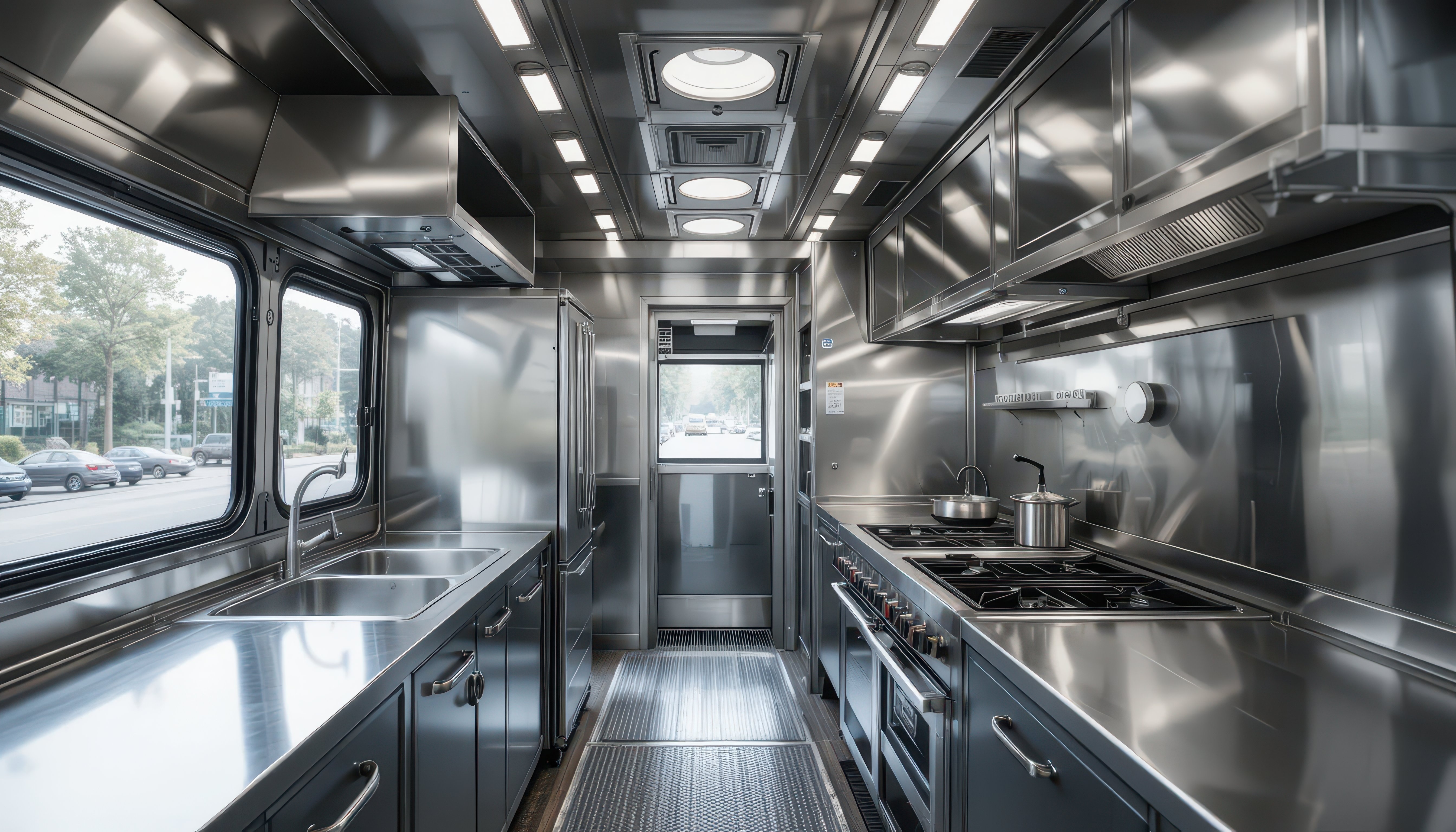
In a busy mobile kitchen, employees need immediate access to utensils, containers, condiments, cleaning supplies, packaging materials, and countless other items. When those items are difficult to reach, service becomes less efficient.
This is why storage systems must be designed with efficiency in mind, and why selecting the right food truck hardware is so important. A great example is the use of full-extension or over-travel drawer slides to allow operators easy access without having to dig around. Strategic placement of frequently used supplies keeps essential tools within easy reach while reducing repetitive bending, stretching, and searching.
For manufacturers, drawer slides must also withstand constant vibration, heavy loads, and thousands of opening and closing cycles throughout their service life.
Austin Hardware offers a wide selection of heavy-duty drawer slides for mobile applications, helping food truck OEMs create durable, efficient storage systems.
Service Windows Should Support Speed, Not Slow It Down
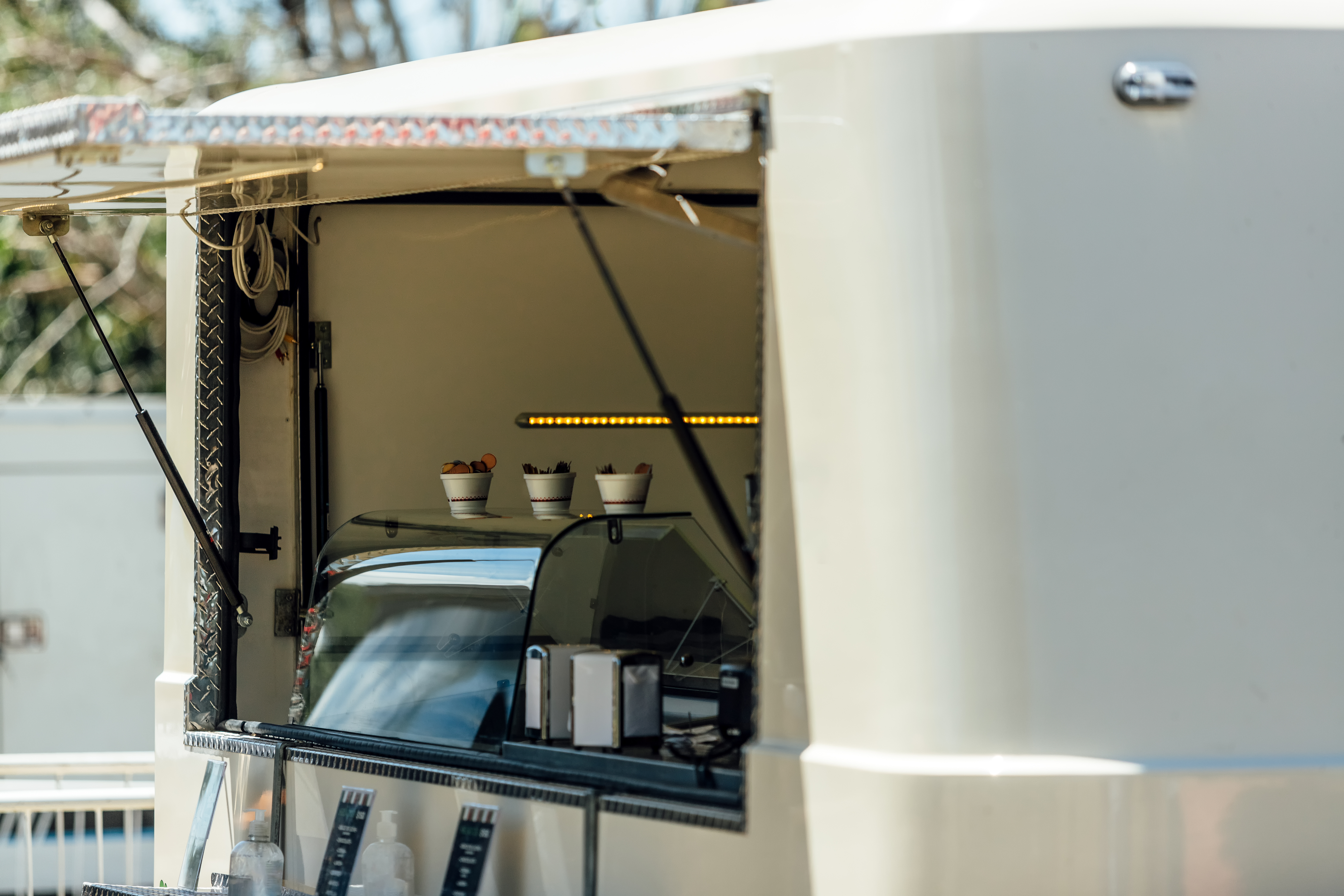
The service window is one of the most frequently used components on any commercial food truck. As the primary point of interaction between staff and customers, it must function smoothly all day, every day.
Yet builders often underestimate the importance of proper service window design.
A window that is difficult to open, hold in position, or close creates unnecessary strain for staff and can become a source of frustration over time. Properly specified gas springs help address these challenges by providing controlled opening and closing while reducing the force required to operate the window.
When correctly sized and positioned, gas springs improve usability, enhance safety, and create a more professional customer-facing experience.
Because food truck service windows vary significantly in size and weight, selecting the appropriate gas spring configuration requires more than simply choosing one off the shelf. Austin Hardware's gas spring specialists work directly with manufacturers to specify the proper force, mounting geometry, and operating characteristics for each application, ensuring smooth, reliable performance throughout the life of the vehicle.
Ergonomic Hardware Helps Reduce Employee Fatigue
Another area that is critical for food truck crew members is ergonomics. Because they repeat the same motions over and over again … opening compartments, accessing storage, securing doors … they need ergonomically friendly hardware to ensure staff can perform these repetitive tasks in comfort and reduce the risk of repetitive-use injury.
Well-designed handles, latches, and access hardware improve grip, reduce strain, and make daily tasks for kitchen staff easier. During a long shift in a compact environment, even small ergonomic improvements enhance comfort and productivity.
Reducing physical strain isn't simply about employee wellness, but also helps employees maintain consistent performance throughout busy service periods. Less fatigue allows employees to maintain a faster pace, work more comfortably through long shifts, and provide a better customer experience during the periods that matter most.
Food truck owners often work long hours but have only brief windows of peak demand to maximize daily sales.
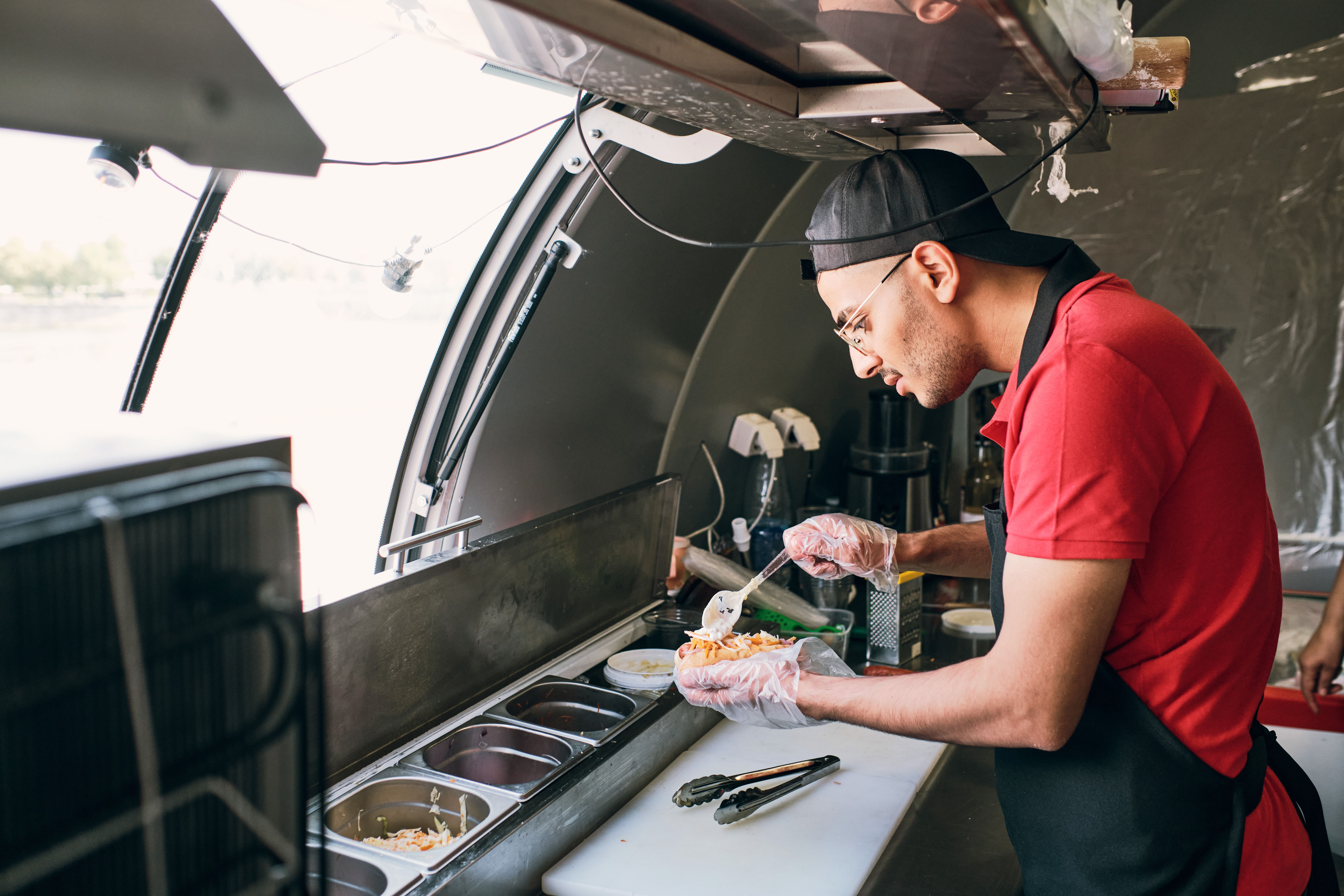
The Best Food Truck Designs Focus on the Details
Many food truck builders invest significant effort into selecting cooking equipment, refrigeration systems, and exterior graphics. While these elements are important, the smaller details often have an outsized impact on day-to-day operations.
A well-designed mobile kitchen feels intuitive. Storage is easy to access. Service windows operate smoothly. Hardware functions reliably. Employees can move efficiently through their workspace without unnecessary obstacles.
Achieving this level of performance requires more than quality equipment—it requires thoughtful integration of the hardware systems that support daily operations.
The right drawer slides, gas springs, handles, latches, hinges, and access solutions help transform a functional food truck into a highly efficient workspace that handles demanding service environments and allows food truck owner/operators to maximize profits.
Build for Performance with Austin Hardware
Efficient food truck design starts with components that are built to perform in real-world conditions.
For decades, Austin Hardware has supplied food truck manufacturers, specialty vehicle builders, and mobile equipment OEMs with hardware solutions designed for durability, accessibility, and long-term reliability. From heavy-duty drawer slides and gas springs to handles, latches, hinges, and access hardware, Austin Hardware helps builders create mobile workspaces that support faster service and better workflow.
Whether you're designing a new food truck or improving an existing platform, the right hardware can make a meaningful difference in productivity, employee comfort, and overall performance. When every square foot and every second count, choosing the right hardware can help transform a functional food truck into a more productive and profitable business.
Whether you're designing a new food truck platform or refining an existing one, Austin Hardware can help you select the drawer slides, gas springs, latches, handles, hinges, and access hardware that support faster service, better ergonomics, and long-term durability. Contact our team to discuss the right hardware solutions for your next build.