
Common Causes of Marine Hardware Failure and How to Prevent Them
Posted by Austin Hardware on Jul 17th 2026
Common Causes of Marine Hardware Failure—and How to Prevent Them
Marine environments place extraordinary demands on hardware. Saltwater, humidity, sunlight, vibration, and constant exposure to the elements create conditions that can shorten the life of even well-designed components. Whether you're building new vessels, maintaining commercial fleets, or repairing recreational boats, the performance of your hardware directly affects reliability, safety, and long-term maintenance costs.
The good news is that most hardware failures don't happen without warning. Corrosion, wear, and seal failures typically develop over time, creating opportunities to identify problems early and prevent costly repairs.
Why Small Hardware Problems Escalate Quickly on the Water
Unlike many industrial environments, marine equipment is exposed to multiple stressors at once. Saltwater accelerates corrosion, UV radiation degrades plastics and rubber, constant vibration gradually loosens fasteners, and persistent moisture prevents components from fully drying. Rather than causing isolated failures, these conditions often compound one another. A loose fastener allows water intrusion, moisture accelerates corrosion, and corrosion eventually affects the surrounding hardware.
Understanding how these failures develop makes it easier to recognize warning signs early and take corrective action before minor issues become major repairs.
Six Common Marine Hardware Failures—and How to Prevent Them
Rusted Latches
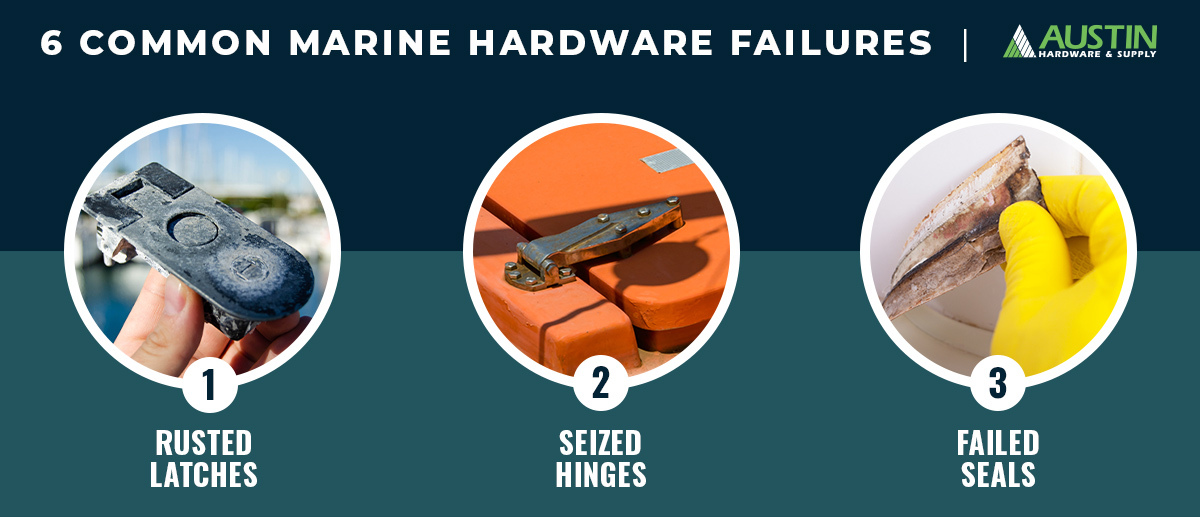
Latches are among the most frequently used hardware components on any marine vessel, making them especially vulnerable to corrosion. Salt deposits, standing water, and prolonged exposure to moisture gradually attack metal surfaces, particularly when standard hardware is used in place of marine-grade components.
Early warning signs include surface rust, pitting, or latches that require more force to open and close. Selecting marine-grade materials, designing for proper drainage, rinsing hardware after saltwater exposure, and applying appropriate lubricants can significantly extend latch life.
Seized Hinges
A hinge that begins to bind or squeak is often signaling corrosion inside the hinge barrel or the buildup of salt and debris. As movement becomes more restricted, routine operation places additional strain on the hardware.
Regular cleaning, periodic lubrication with marine-appropriate products, and the selection of corrosion-resistant hinges designed for marine service help keep access doors, hatches, and compartments operating smoothly.
Water Intrusion Starts with Failed Seals
Water intrusion often begins around hardware where aging sealants, deteriorated gaskets, loose fasteners, or improper installation allow moisture to enter.
Because leaks frequently develop behind panels or inside structural cavities, damage may go unnoticed until rot, corrosion, or mold has already taken hold. Regularly inspecting seals, replacing worn gaskets, and maintaining properly fastened hardware are simple preventive measures that can help avoid much larger repair projects.
UV Degradation
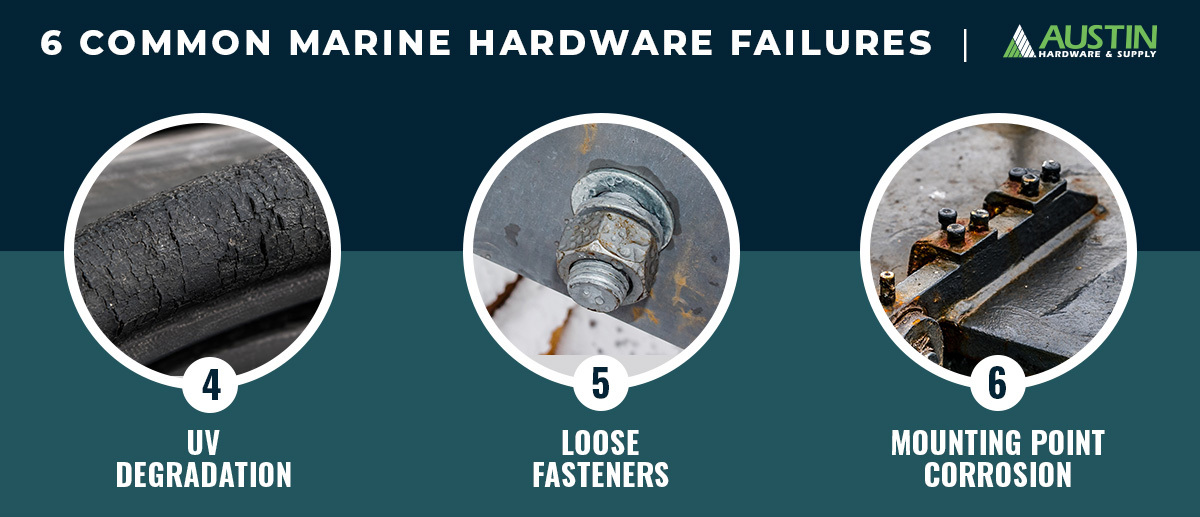
While metal components often receive the most attention, prolonged sun exposure can quietly shorten the life of many marine hardware systems. Plastic latch handles, rubber gaskets, polymer covers, and protective trim gradually lose flexibility after years of UV exposure. As these components become brittle or crack, they can compromise the performance of the surrounding hardware—even if the metal latch or hinge remains in good condition.
Selecting UV-stabilized materials and replacing weathered components before they fail helps preserve both appearance and long-term reliability.
Loose Fasteners
Marine equipment experiences constant vibration from engines, wave impact, towing, and normal vessel operation. Over time, these repeated forces can gradually loosen threaded fasteners.
Even slight movement can create alignment issues, increase wear, or open pathways for water intrusion. Proper installation, correct torque specifications, and periodic inspection help keep assemblies secure throughout their service life.
Corrosion Around Mounting Points
Corrosion frequently begins where hardware attaches to the vessel. Moisture can become trapped around mounting points, and when dissimilar metals come into contact, galvanic corrosion may accelerate deterioration.
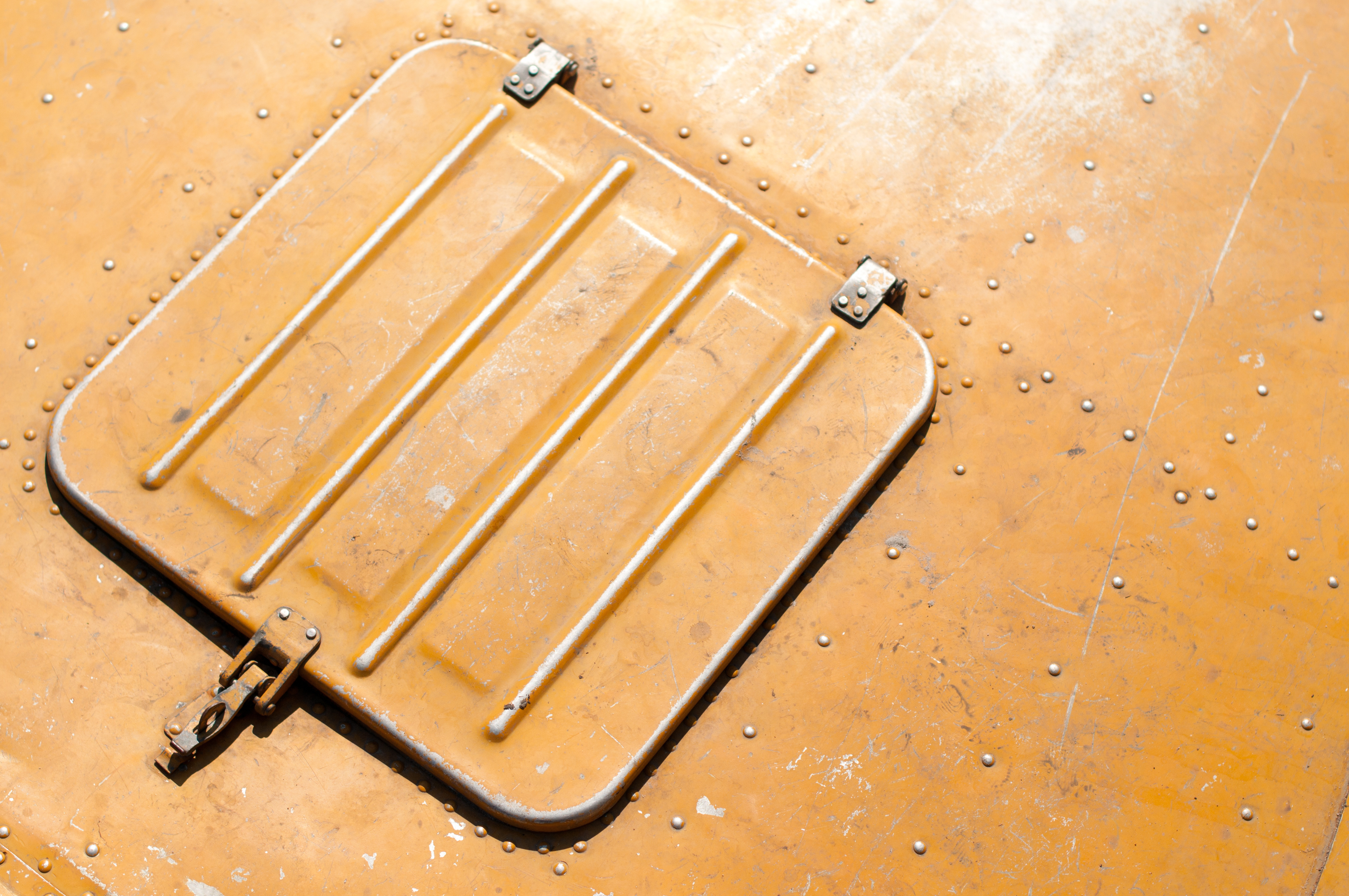
Galvanic corrosion occurs when two different metals are electrically connected in the presence of saltwater. Over time, one metal corrodes more rapidly, weakening the connection and potentially damaging surrounding components.
Where dissimilar metals must be used together, applying a corrosion barrier during assembly can provide an added layer of protection. Austin Hardware's ECK Complete Corrosion Protection creates a protective barrier between metals while sealing out moisture, helping reduce galvanic corrosion in demanding marine environments. It's one of several solutions Austin Hardware offers to help manufacturers improve durability and extend the service life of marine hardware installations.
Using compatible materials, isolation methods where appropriate, quality marine sealants, and routine inspections further help extend the service life of mounting hardware.
Preventive Maintenance Pays Off
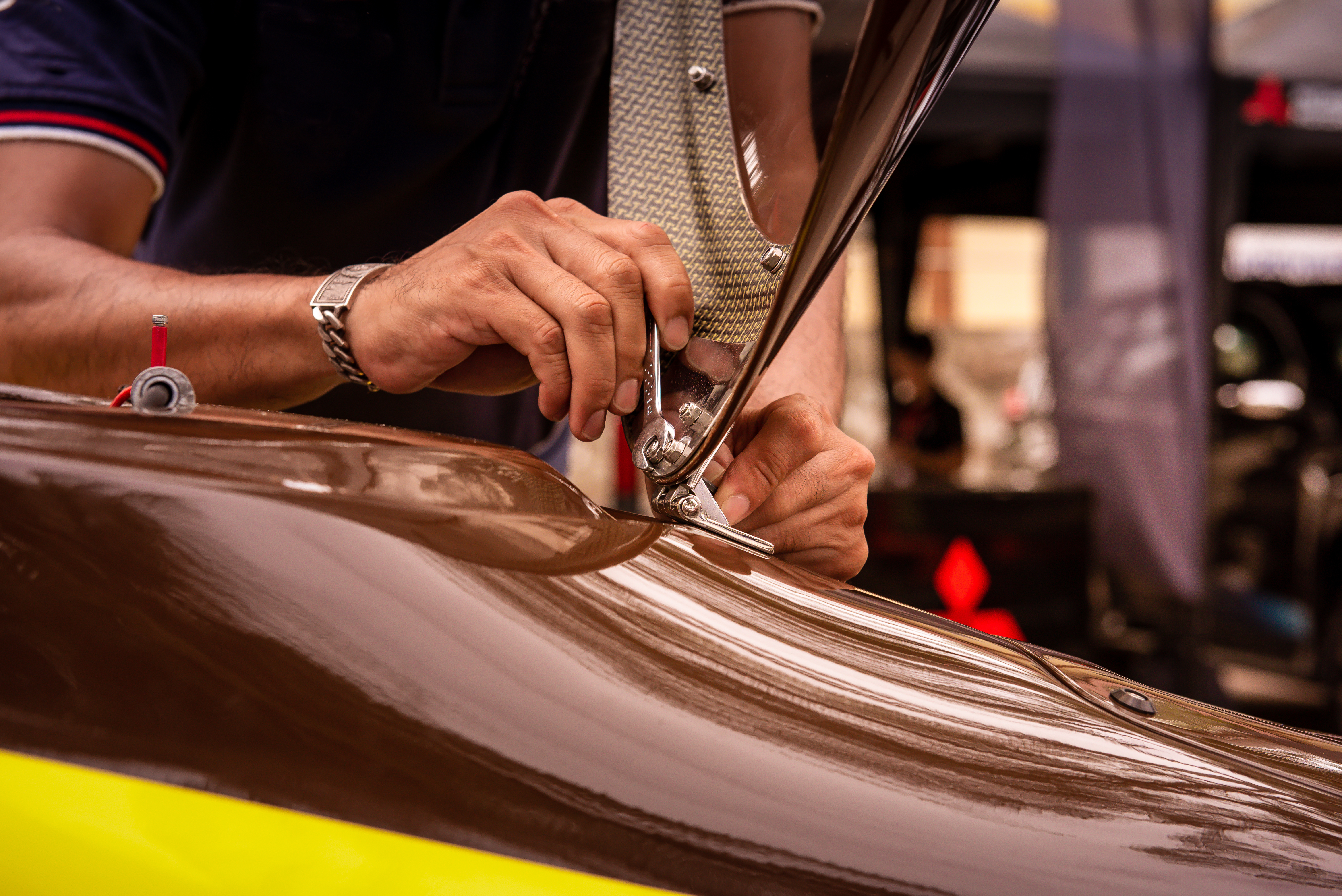
When corrosion is visible or a hatch fails to close properly, the underlying issue has usually been developing for months. Regular inspections help maintenance teams catch early signs of wear, replace cost-effective parts, and reseal mounting points, preventing damage from affecting nearby structures.
A proactive maintenance program not only extends hardware life but also helps reduce unexpected downtime, emergency repairs, and long-term costs.
Selecting Hardware Built for Marine Environments
Not all hardware is designed to withstand the challenges of marine service. When evaluating marine hardware, look for corrosion-resistant materials, UV-stable components, durable sealing systems, and designs engineered for repeated exposure to moisture, vibration, and the elements.
Equally important is selecting components that work together as a complete system. Latches, hinges, handles, gas springs, weatherstripping, sealants, lighting, and related hardware all contribute to the long-term performance of a vessel. Choosing compatible, marine-ready components engineered to work together can improve durability, simplify maintenance, and reduce the likelihood of premature failure.
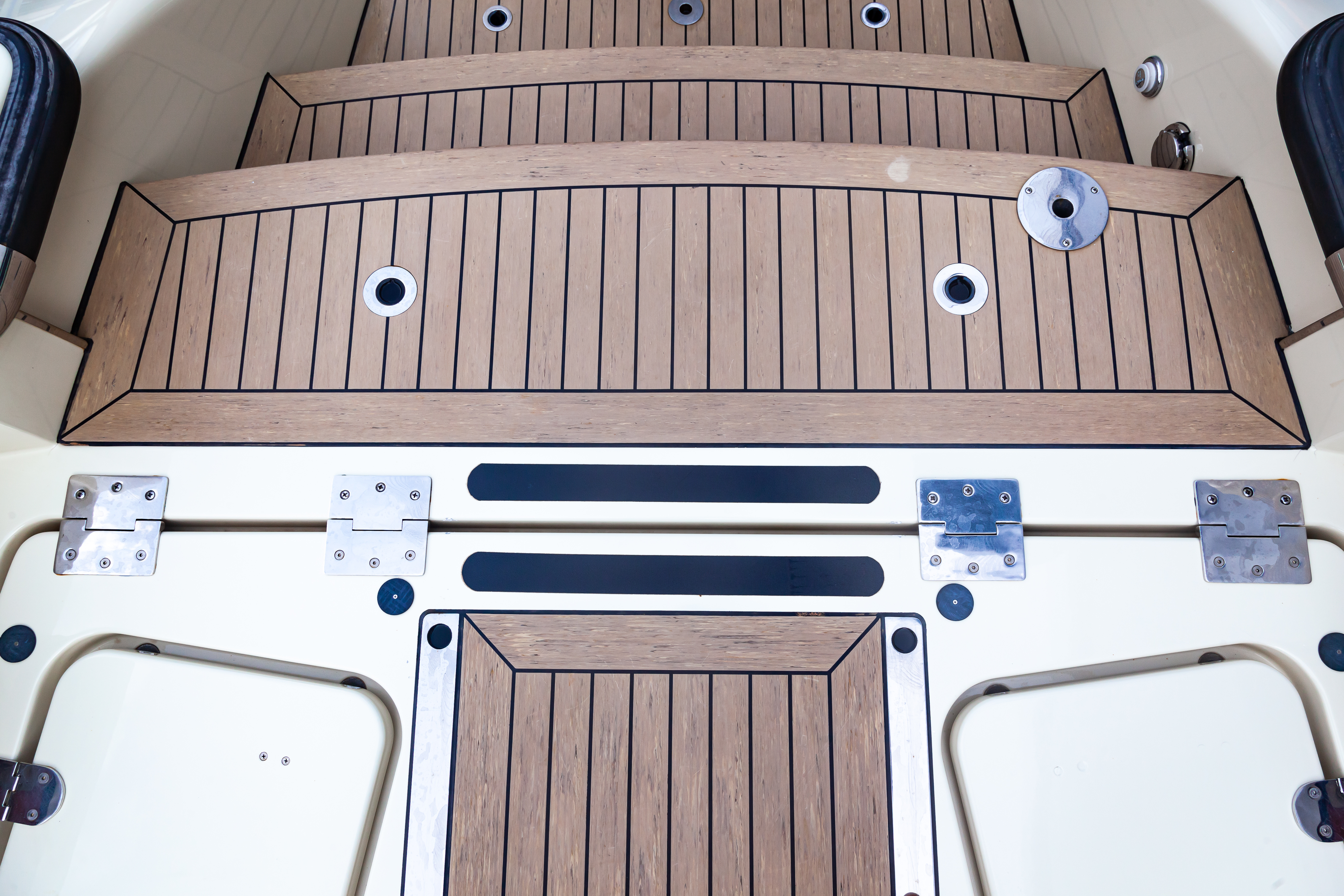
Austin Hardware offers a broad range of hardware and chemical solutions engineered for demanding marine applications, including access hardware, weather-tight sealing solutions, structural adhesives, corrosion protection products, and other components designed to withstand harsh marine environments. To learn more about our marine capabilities and product offerings, visit our Marine Solutions page.
Marine hardware is constantly challenged by salt, moisture, sunlight, vibration, and heavy use, but failures rarely occur without warning. Recognizing the early signs of corrosion, water intrusion, UV damage, loose fasteners, and worn components allows maintenance teams and builders to address problems before they become costly repairs.
Selecting quality hardware, following sound installation practices, and performing routine inspections are some of the most effective ways to extend equipment life and improve reliability. Whether you're designing a new vessel or maintaining an existing fleet, Austin Hardware can help you select application-specific hardware solutions that improve long-term reliability and performance in demanding marine environments.