
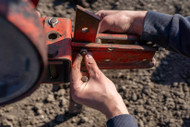
Ag Equipment Maintenance Tips Before Peak Harvest
Posted by Austin Hardware on Sep 2nd 2026
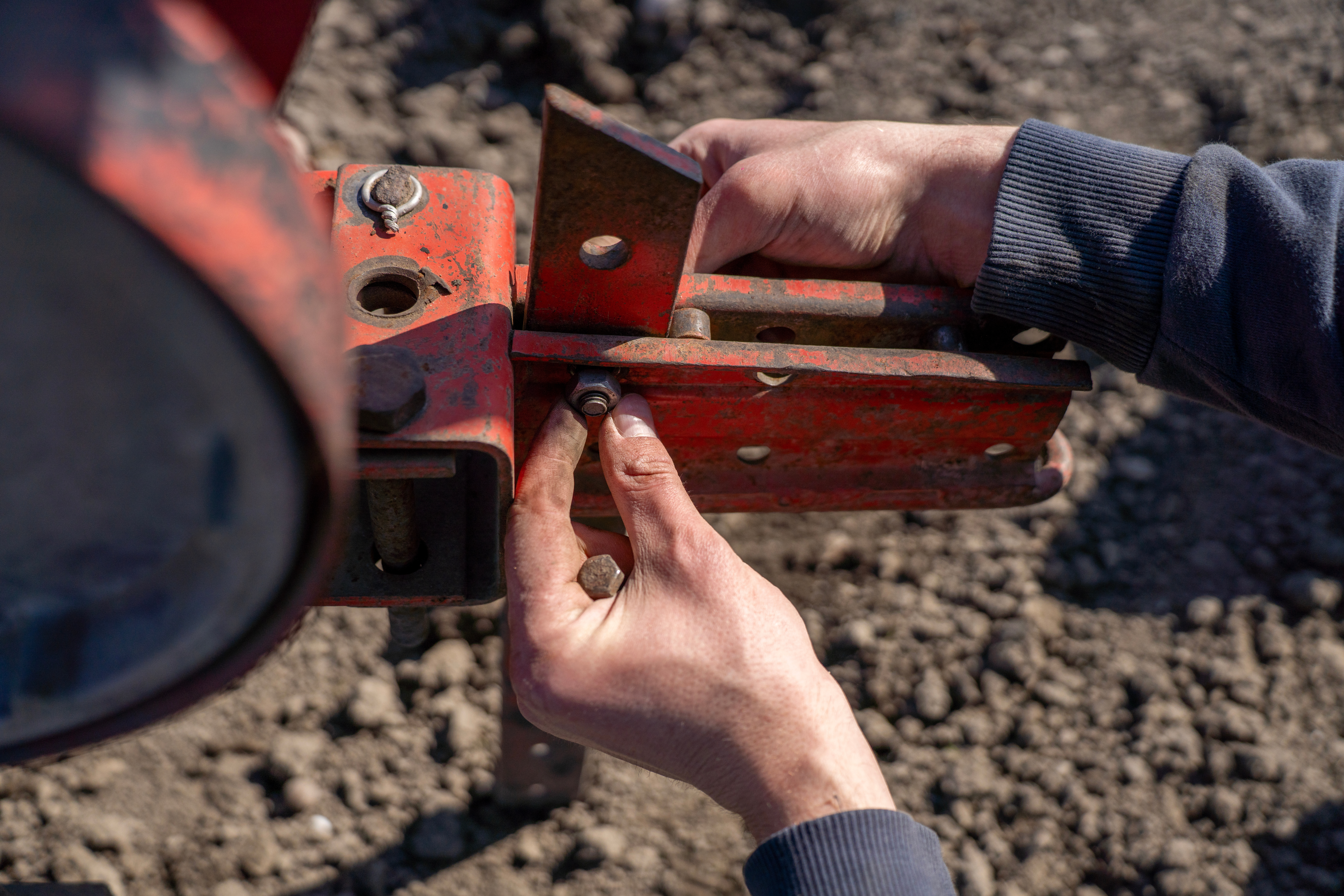
Ag Industry Guide: Maintenance Tips for Ag Equipment Before Peak Harvest
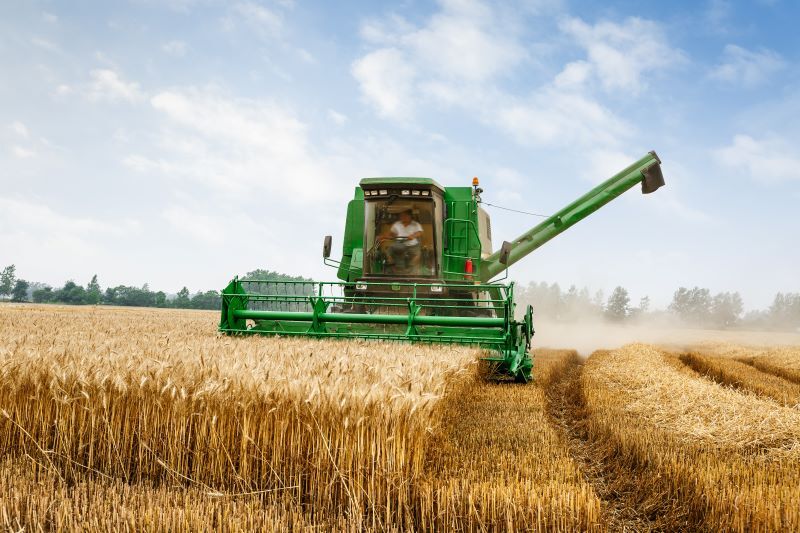
Harvest puts agricultural equipment to work when there is often the least room for a breakdown.
Tractors, combines, grain-handling equipment, trailers, and other machinery may operate for long hours with little opportunity to stop for anything other than routine service. When a component fails during that window, the problem can quickly become larger than the repair itself. A machine may be unavailable when it is needed most, replacement parts may have to be sourced in a hurry, and a delay in one operation can affect everything that follows.
Pre-harvest maintenance provides an opportunity to identify emerging problems, replace components that have reached the end of their useful life, and ensure critical replacement parts are available before demand peaks.
The best time to find a problem with harvest equipment is while there is still time to fix it.
Why Pre-Harvest Maintenance Matters
Agricultural equipment faces demanding conditions throughout the year, but harvest can put an especially heavy load on machines and the components they depend on. Long operating hours, vibration, dust, moisture, temperature fluctuations, and repeated cycling can reveal problems that may not be apparent during normal use.
Periodic inspection is one of the simplest ways to identify problems before they lead to breakdowns. The University of Massachusetts Amherst recommends inspecting farm equipment before and after extended or heavy use and specifically calls out leaks, loose or broken bolts and pins, bearings, belts, chains, and other common sources of equipment problems.
The timing matters, too. A questionable component during the off-season can become much more difficult to deal with once harvest is underway. Parts may be harder to source, maintenance personnel may be stretched thin, and a repair that would have taken an hour during planned maintenance can become a much longer interruption.
Start With a Complete Walkaround
A preseason inspection can begin with a simple walkaround. Look for anything that appears different from normal, including visible damage, unusual wear, leaks, corrosion, or components that have become loose or misaligned. Inspect hoses, belts, wiring, guards, mounting points, and other exposed components, and pay attention to anything that looks, sounds, or operates differently than it should.
This is also a good time to clean accumulated dirt, crop residue, and debris from equipment. A clean machine makes developing problems easier to see and can help identify leaks, damaged components, and other issues that might otherwise be hidden.
The manufacturer's maintenance procedures should remain the starting point for equipment-specific service requirements. Preseason checklists from agricultural equipment manufacturers similarly emphasize visual inspections, lubrication, hardware, hoses, connections, and other components before equipment returns to the field.
Don't Overlook the Components That Protect and Secure Equipment
When people think about harvest equipment maintenance, engines, hydraulics, belts, bearings, and other operating components usually come to mind first. Agricultural equipment also depends on smaller components that protect equipment, provide access, secure doors and panels, control movement, and keep dust and moisture out.
Some of the components most likely to be overlooked are also the ones operators interact with every day: the latch on an access panel, the hinge on a service door, the gas spring supporting a hood, or the seal protecting a compartment.
These components deserve attention during a preseason inspection.
Locks and latches
Check access doors, covers, compartments, and other closures to make sure they engage fully and operate smoothly. Look for corrosion, damage, loose mounting hardware, or mechanisms that require excessive force to operate.
Equipment exposed to substantial vibration needs access hardware that remains secure while the machine is moving and still provides reliable access for maintenance and inspection.
Hinges and pivots
Inspect hinges and pivot points for excessive play, corrosion, damaged mounting points, or binding. Check the hardware securing them as well. A loose hinge can place additional stress on the door, panel, latch, or surrounding structure.
Gas springs and lift-assist components
Hoods, access panels, covers, and doors may use gas springs or other lift-assist components to make them easier to open and hold in position. Check whether they still provide the expected level of support, and look for damaged or corroded rods, leaking cylinders, loose mounting points, or doors and panels that no longer remain securely open.
Gas springs are used in agricultural machinery for applications including tractor engine hoods, cab doors, harvester access panels, and sprayer covers, making them a legitimate part of preseason equipment inspection.
Seals and weatherstripping
Inspect seals, gaskets, and weatherstripping around doors, access panels, compartments, windows, and other openings. Look for cracking, flattening, gaps, separation, or other signs of deterioration.
Agricultural equipment operates in environments where dust, moisture, crop residue, chemicals, and temperature changes can challenge sealing materials. A deteriorated seal can allow contaminants into protected areas or permit water and moisture intrusion.
Fasteners and mounting hardware
Loose bolts, missing fasteners, damaged pins, and deteriorating mounting points are basic items that agricultural equipment maintenance guidance recommends checking during routine inspections.
Hardware selection also plays an important role during equipment design. The appropriate fastener needs to account for the application's loads, vibration, environment, installation requirements, and expected service life.
Inspect Hoses, Wiring and Other Exposed Components
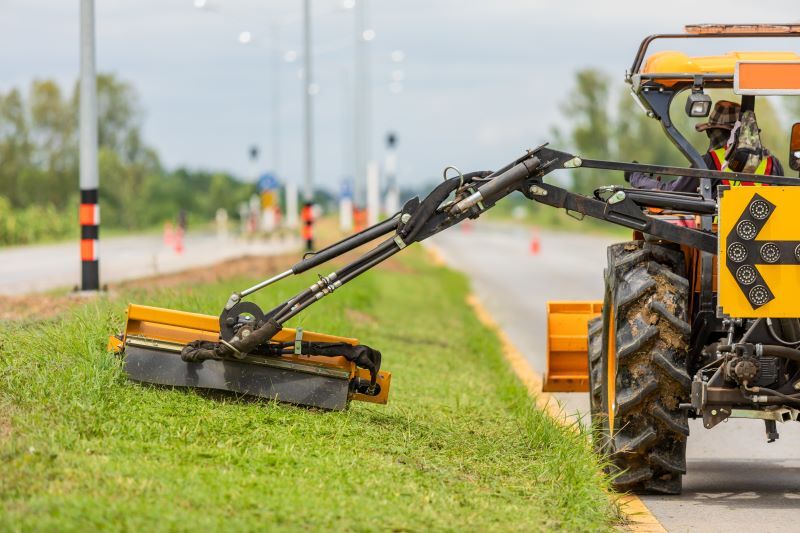
Hoses and wiring often occupy vulnerable locations on agricultural equipment. They may be exposed to vibration, movement, moisture, dirt, chemicals, heat, and repeated contact with surrounding components.
During a pre-harvest inspection, look for:
- Abrasion or rubbing against brackets and frames
- Cracking, swelling, or exposed reinforcement
- Damaged fittings or connectors
- Loose or unsupported routing
- Corrosion
- Damaged insulation
- Exposed wiring
- Evidence of fluid or moisture intrusion
Routing and protection matter as much as the component itself. A hose or wiring harness can be properly specified and still fail prematurely if it rubs against a sharp edge or moves excessively during operation.
Equipment manufacturers can address these issues during design through appropriate routing, support, and protection, helping reduce premature wear while making future inspection and replacement easier.
Check Sealing, Bonding and Protection Before the Season Starts
Inspect areas where sealants, adhesives, gaskets, or other protective materials are used to keep equipment sealed or components secured. Look for cracking, separation, gaps, contamination, or other changes that could indicate a loss of performance.
Environmental exposure, vibration, movement, and age can all affect these materials. A deteriorated seal or bonded joint can compromise protection in areas exposed to dust, moisture, chemicals, and temperature changes.
During equipment design, sealants and adhesives should be selected for the conditions they will encounter throughout the equipment's service life.

Replace Problem Components Before Harvest
When a component shows clear signs of deterioration, consider whether replacing it before harvest makes more sense than waiting until it fails.
Recurring repairs, visible damage, excessive movement, corrosion, leakage, or declining performance can all warrant replacement. Equipment-specific recommendations should also guide the decision.
Maintenance records can help identify patterns. Which components have required replacement during previous harvests? Which repairs have historically taken the longest? Which parts have been difficult to source quickly?
Those answers can help identify components that deserve proactive attention.
Recurring maintenance problems can also provide useful design feedback. If a latch repeatedly loosens, a hose consistently rubs against a bracket, a seal deteriorates prematurely, or a mounting point exhibits excessive movement, the solution may involve changing the component, its protection, its mounting, or the surrounding design.
Design Agricultural Equipment for Easier Maintenance
For agricultural OEMs, maintenance considerations begin during the design phase.
Components requiring regular inspection should be accessible. Wear items should be replaceable without unnecessary disassembly. Hoses and wiring should be protected against abrasion and excessive movement. Access doors should open and close reliably. Latches should secure the doors properly. Hinges should withstand the loads and environmental conditions. Gas springs should provide appropriate support throughout their service life. Seals should be selected for the conditions they will encounter.
Serviceability is particularly important for components that operators or technicians access frequently. An access panel that is difficult to open, a latch that requires excessive adjustment, or a gas spring that is difficult to replace can add labor to every service event.
Good component selection considers both application performance and the equipment's service requirements throughout its life.
Build a Critical Parts Inventory Before Peak Demand
Even well-maintained equipment can fail unexpectedly. Having common replacement parts available can make the difference between a short repair and a longer interruption.
The right inventory will vary by equipment and operation, but it may include:
- Common fasteners and mounting hardware
- Latches and other frequently replaced access hardware
- Hinges and related hardware
- Gas springs or lift-assist components
- Seals, gaskets, and weatherstripping
- Hydraulic hoses and fittings
- Belts
- Bearings and bushings
- Common electrical components
- Sealants and adhesives used in routine repairs
Consider which components are critical to uptime, difficult to source quickly, or likely to be needed during the season. Lead times are another consideration. A component that is easy to obtain under normal conditions may be more difficult to source when manufacturers, dealers, and maintenance operations are all preparing for the same seasonal demand.
Planning those requirements early gives maintenance teams and equipment owners more options when something needs to be replaced.
Choose a Supplier for More Than Price
Pre-harvest preparation also highlights the importance of the supply chain behind agricultural equipment. When a critical component is needed, price is only one consideration. Availability, consistent specifications, product quality, technical support, and the supplier's ability to respond to changing requirements can all affect how quickly equipment is returned to service.
Agricultural OEMs need suppliers that can provide consistent components for production while also supporting engineering requirements, application changes, and replacement-part needs.
A supplier with application knowledge can contribute earlier in the process by understanding how a component will be used, what conditions it will encounter, and how it needs to be serviced. That perspective can help identify a better solution than simply selecting parts from a catalog.
For equipment owners and maintenance teams, a dependable supplier relationship can simplify sourcing replacement parts and make it easier to prepare for known maintenance needs before the season begins.
A Practical Pre-Harvest Equipment Maintenance Checklist
Before equipment enters peak harvest operation, review the following areas:
- Inspect visible wear, damage, corrosion, leaks, and loose hardware.
- Check bearings, belts, chains, and other high-wear components according to the manufacturer's maintenance requirements.
- Inspect access doors, hatches, covers, and compartments, including locks, latches, hinges, pivots, and mounting hardware.
- Check gas springs and lift-assist components for proper support and secure mounting.
- Inspect seals, gaskets, weatherstripping, sealants, and adhesives for deterioration or loss of protection.
- Examine hoses and wiring for abrasion, damage, corrosion, and poor routing.
- Identify components that should be replaced before peak operation.
- Confirm critical replacement parts are available and check lead times for components that may be difficult to source quickly.
- Document completed maintenance and outstanding issues before peak operation begins.
Use this as a starting point alongside the equipment manufacturer's service procedures and maintenance recommendations.
Preparation Today Can Prevent Downtime Tomorrow
A thorough pre-harvest inspection can reveal problems while there is still time to address them. Paying attention to access hardware, hinges, lift-assist components, seals, fasteners, hoses, wiring, and other exposed components can uncover issues that might otherwise go unnoticed. Advance parts planning can also shorten the response time when something fails.
These considerations extend into equipment design as well. Component selection, protection, accessibility, serviceability, and supply-chain planning can influence reliability long after equipment leaves the production floor.
Austin Hardware works with agricultural and other equipment manufacturers to provide hardware, components, sealing solutions, adhesives, and engineered products for demanding applications. Our support extends beyond individual components to helping manufacturers evaluate application requirements, identify appropriate solutions, and plan for the production and service needs of their equipment.
Whether you are preparing equipment for another harvest or evaluating components for the next generation of agricultural equipment, addressing maintenance needs early can help prevent avoidable downtime.
Review your equipment now, identify the components most likely to need attention, and make sure the parts and solutions you may need are available before harvest demand peaks.
Frequently Asked Questions
How often should farm equipment be serviced before harvest?
Follow the equipment manufacturer's recommended service intervals, but perform a thorough preseason inspection before equipment enters peak operation. This allows maintenance teams to address visible wear, damaged components, and other developing problems while equipment is still available for planned service.
What should be included in a pre-harvest equipment inspection?
A pre-harvest inspection should cover major operating components as well as access hardware, seals, hoses, wiring, fasteners, and other exposed components. Look for wear, damage, corrosion, leaks, loose connections, and other conditions that could affect reliability or serviceability.
Which replacement parts should be stocked before harvest?
Prioritize components that are critical to uptime, are commonly replaced, are difficult to source quickly, or are associated with recurring failures. Depending on the equipment, that may include fasteners, access hardware, gas springs, seals, hoses, belts, bearings, electrical components, and application-specific adhesives or sealants.
How can preventive maintenance reduce harvest downtime?
Identifying worn or deteriorating components before peak operation gives maintenance teams time to repair or replace them under planned conditions. Keeping critical replacement parts available can further reduce the time required to return equipment to service after an unexpected failure.
How do OEM-quality replacement parts improve equipment reliability?
Quality replacement components that are properly specified for the application can help maintain the equipment's intended performance and service life. Consistent specifications and dependable availability also make it easier for manufacturers and maintenance teams to manage replacement needs.
Sources
- University of Massachusetts Amherst, Equipment Maintenance.
- Unverferth Manufacturing, Preseason Checklists.
- Kubota USA, Hay Season Equipment Prep Checklist.
- Southco, Heavy-Duty Rotary Latch Simplifies Cab Access for Off-Highway and Agricultural Equipment.
- Newtone, Gas Springs for Agricultural Machinery.