
OEM ENGINEERING & MANUFACTURING SOLUTIONS FOR AGRICULTURAL EQUIPMENT - PART 1
Posted by Austin Hardware on Mar 9th 2026
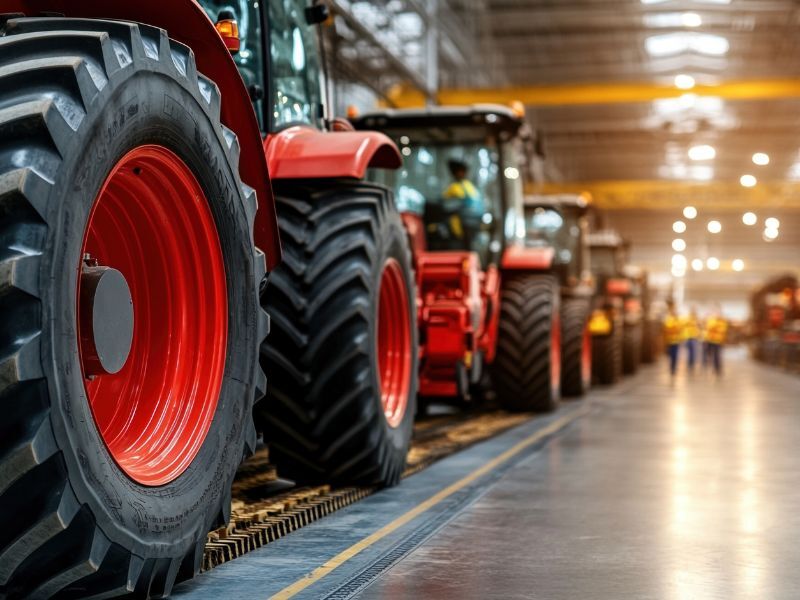
OEM Engineering Solutions for Agricultural Equipment Manufacturing This Spring - Part 1
Planting season places intense pressure on agricultural equipment manufacturers to deliver durable, production-ready machinery within compressed timelines.
This article explores how agricultural OEM engineering supports spring readiness by addressing manufacturing constraints, durability requirements, and supply chain challenges while improving production efficiency through design-for-manufacturability strategies and strategic supplier partnerships.
Planting season often determines whether manufacturers serving the agricultural equipment market succeed or fail. When seasonal demand spikes, OEM engineering teams face compressed timelines, rising performance expectations, and pressure to scale production quickly.
Today, agricultural OEM engineering extends far beyond product design. Success depends on aligning durability, manufacturability, and production efficiency before the first unit reaches the assembly line.
In Part 1 of this two-part series, we examine the production pressures and engineering constraints that shape readiness for the planting season.

Planting Season Demands and OEM Manufacturing Timelines
Spring agricultural production creates a surge in orders for planters, tillage systems, and precision agriculture platforms. Narrow planting windows leave little room for delays in delivering critical equipment.
Modern planting equipment development integrates precision agriculture engineering from the earliest design stages. GPS-enabled systems, sensor integration, and smart planting technologies must function within structural platforms designed for heavy-duty field performance.
At the same time, OEM manufacturing timelines compress, creating challenges such as:
- Scaling output without sacrificing quality
- Maintaining equipment production efficiency
- Supporting scalable manufacturing systems
- Preventing production bottlenecks
Durability expectations further intensify the pressure. Designers must account for vibration, corrosion, moisture, and soil abrasion throughout the engineering process. Corrosion-resistant components and strong structural design remain essential for long-term reliability and warranty protection.
The success of planting season depends on engineering decisions made months earlier — balancing precision technology integration with manufacturability and scalable production planning.
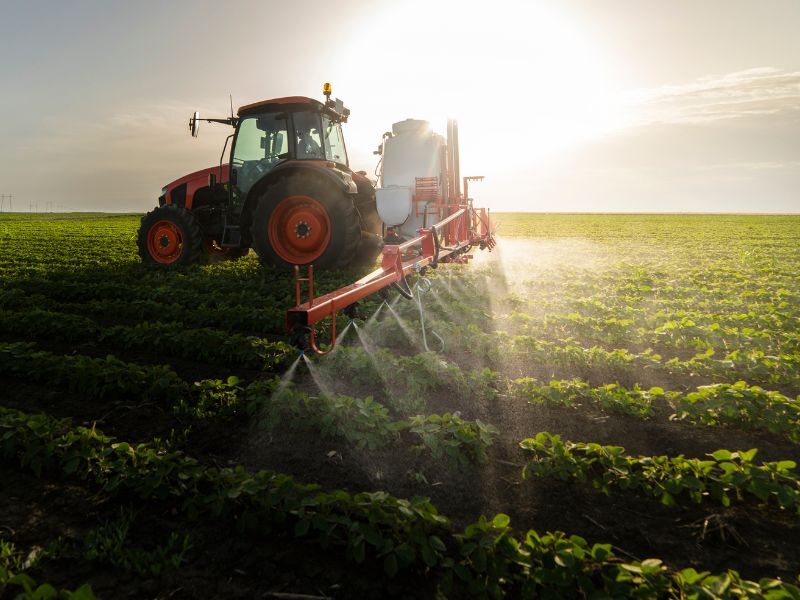
Engineering Constraints That Slow Agricultural Equipment Manufacturing
Even experienced agricultural machinery engineering teams encounter predictable constraints as production ramps up.
Production slowdowns rarely originate on the factory floor. They typically begin with design complexity introduced earlier in the engineering process.
Harsh Environment Design Requirements
Equipment operating in agricultural environments requires careful material selection and environmental protection strategies. Corrosion-resistant coatings, reinforced load paths, and effective sealing solutions must be integrated early to avoid costly redesign later in development.
Assembly Complexity and Workflow Inefficiencies
Assembly optimization efforts often reveal unnecessary part counts and overly complex equipment assemblies. These inefficiencies reduce manufacturing workflow efficiency — especially during seasonal ramp-up periods when throughput matters most.
Simplified assemblies and part consolidation strategies improve production speed while reducing opportunities for error.
Production Tip: Reduce Bottlenecks Before They Impact Planting Season Output
Austin Hardware combines more than 65 years of experience supporting agricultural equipment manufacturers with products sourced from strategic supplier partners. This allows OEMs to standardize components, reduce sourcing risk, and streamline assembly workflows.
Vendor Managed Inventory (VMI) and Customer Managed Inventory (CMI) programs help ensure critical parts are available exactly when production lines need them — improving continuity during peak manufacturing periods.
Legacy Product Limitations and Supply Chain Pressures
Modern manufacturing efficiency depends as much on component standardization and supply strategy as it does on equipment design itself.
Many manufacturers continue relying on legacy equipment platforms that were never optimized for modern design-for-manufacturability (DFM) principles. Targeted engineering upgrades and selective redesigns can significantly improve equipment performance and production efficiency.
At the same time, volatility in agricultural manufacturing sourcing highlights the importance of supply chain optimization. Standardized components and strategic supplier partnerships help maintain production continuity while reducing procurement complexity.
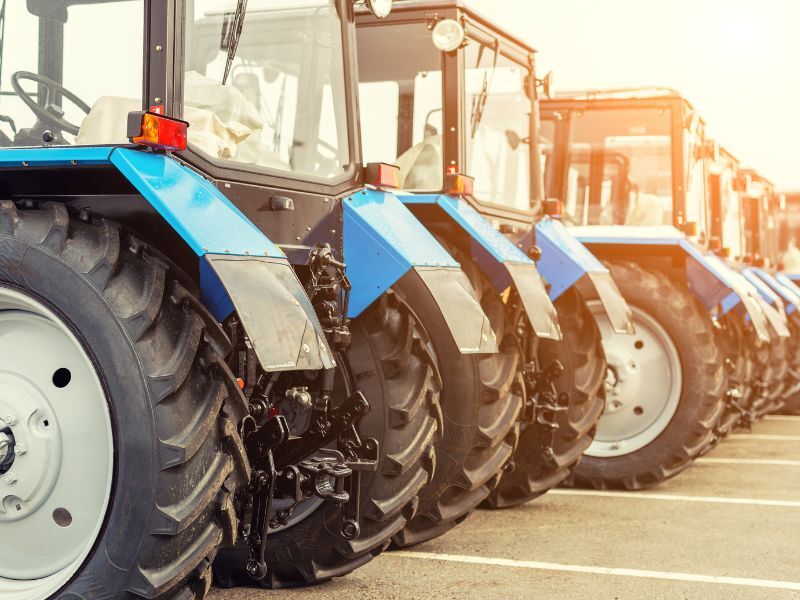
Preparing the Foundation for Production Efficiency
Manufacturers that integrate manufacturability and supply planning early avoid costly disruptions when seasonal demand accelerates.
Spring success begins long before production ramps up. Agricultural OEM engineering must proactively integrate:
- Design for manufacturability (DFM) principles
- Production-focused equipment design
- Standardized component strategies
- Scalable manufacturing planning
When these elements align, manufacturers reduce rework, improve lifecycle performance, and stabilize production output.
Agricultural equipment manufacturing depends on reliable components and a predictable supply. Austin Hardware supports OEMs through integrated supplier partnerships and managed inventory programs built around real production schedules. If these strategies could help streamline your operation, contact your nearest Austin Hardware location to learn more.
Part 2 of this series will examine how custom equipment design, precision agriculture integration, and technology-driven engineering further enhance performance and manufacturability.